


Scattering Ashes - The Laws, Regulations, and Permits
Enter the code at checkout.

The experience was not exactly great due to sad occasion but it was made easier with the choice of urns etc. you offered. I am pleased with one I chose. Thank you
What an amazing product. I bought a water urn for my Mum. It was in her favourite colour. We hired a boat and headed out. When the urn was placed in the water it floated briefly and then a couple of bubbles and away. Much nicer then the ashes being poured in (from previous experience). Added bonus is the geo code to link Mums exact location on the website. Wonderful idea.
From start to finish the service from Urns for Angels was superb. The item I purchased arrived very quickly and the gentleman on the Live Chat was exceptional.
I decided upon a biodegradable urn and after looking at online sites I came across Urns For Angels. The range they have is quite extensive with some beautiful urns. I went to the Live Chat as it was Sunday as I needed a certificate to prove the urn I was intending to buy was biodegradable. Paul, the founder of the business was at the end of the Live Chat and informed me that a certificate would be sent to me. I ordered the urn on Sunday afternoon, on Monday I received the certificate and today, Tuesday, I received the urn and it is quite beautiful. An absolutely brilliant service.

Everything was straight forward. Speedy service. Good communication.
Excellent customer service and website ordering process easy to use. When i rang they were extremely helpful and professional sending me the details i needed while i was on the call.
Paul was very helpful and kind.
Small Urns for Ashes
- ★ 5.0
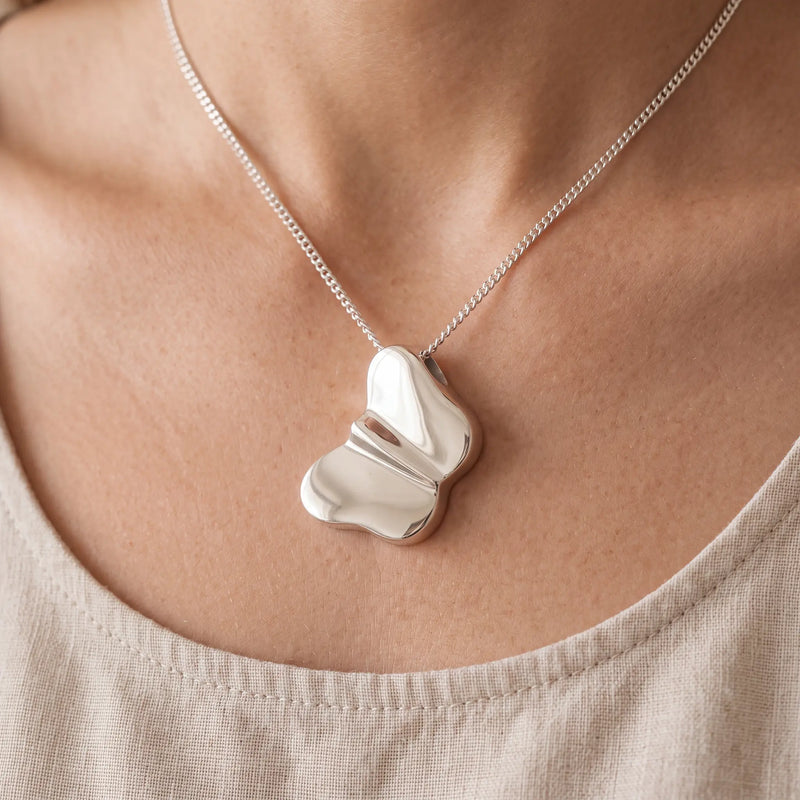
 Butterfly Keepsake Urn for Ashes in Gold
$109.00
- ★ 5.0
 Whistling Bird Keepsake Urn for Ashes in Sage Green
$105.00
- ★ 5.0
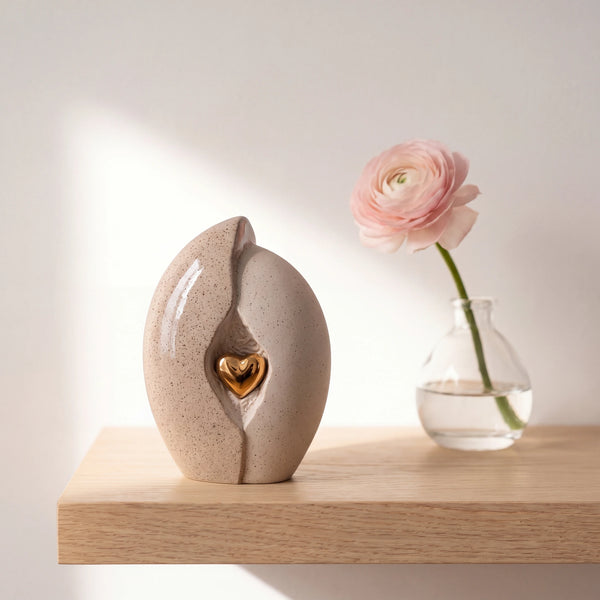 Embrace Heart Small Urn for Ashes in Brown and Gold
$288.00
- ★ 4.7
 Teardrop Heart Small Urn for Ashes in White and Gold
$288.00
- ★ 5.0
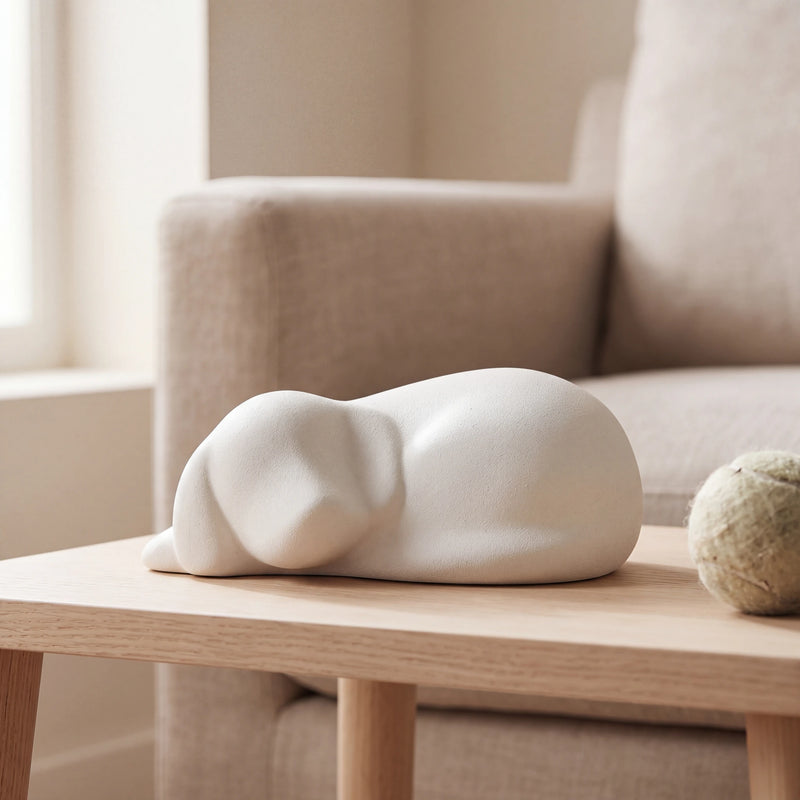
 Cuddle Stone Keepsake Urn for Ashes in Glossy Sand
$105.00
- ★ 4.8
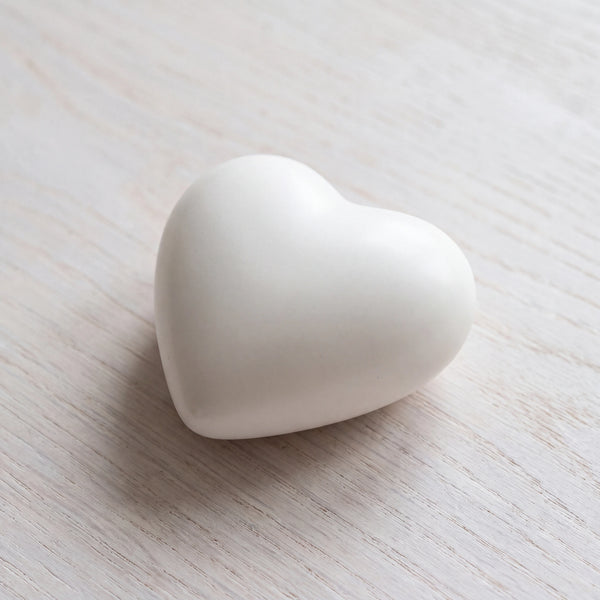 Heart Keepsake Urn for Ashes in White
$109.00
- ★ 5.0
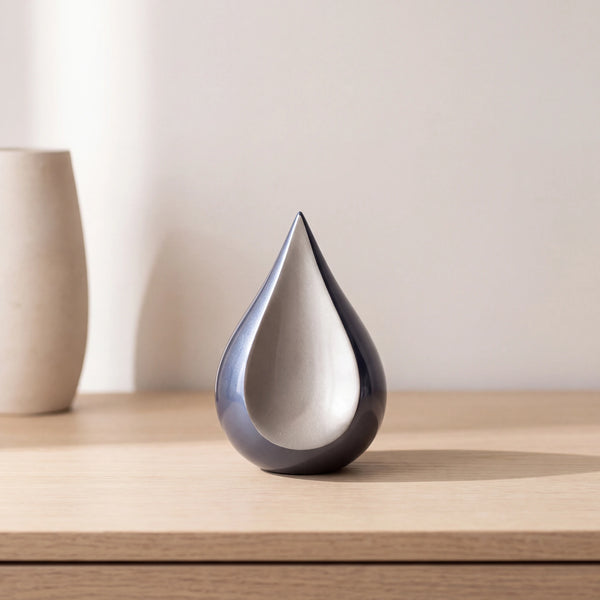 Odyssee Metal Teardrop Keepsake Urn for Ashes in Midnight Blue and Silver
$117.00
- ★ 5.0
 Guardian Angel Small Urn for Ashes in Oily Green
From $263.00
- ★ 5.0
 Lantern Candle Small Urns for Ashes
$247.00
- ★ 5.0
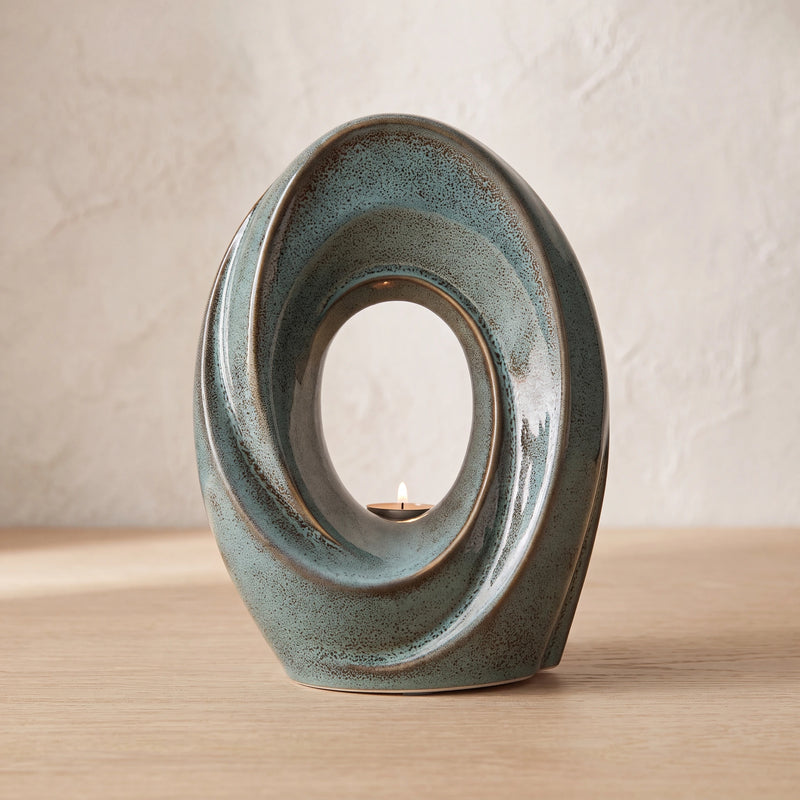
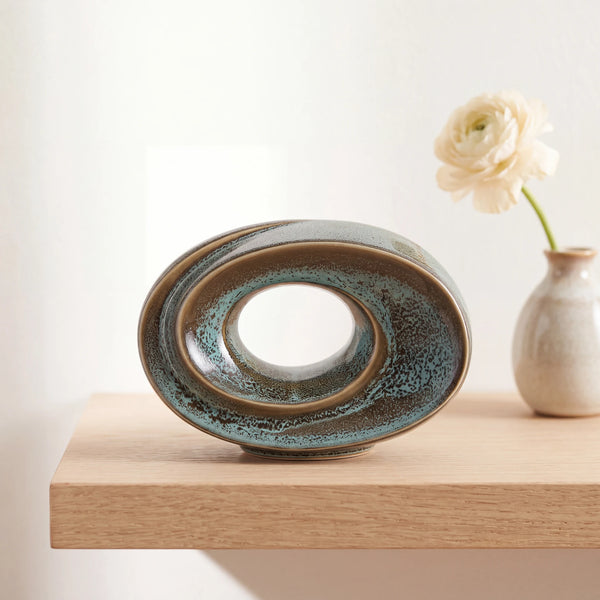 The Passage Small Urn for Ashes in Oily Green
From $309.00
Scatter Tubes for Ashes
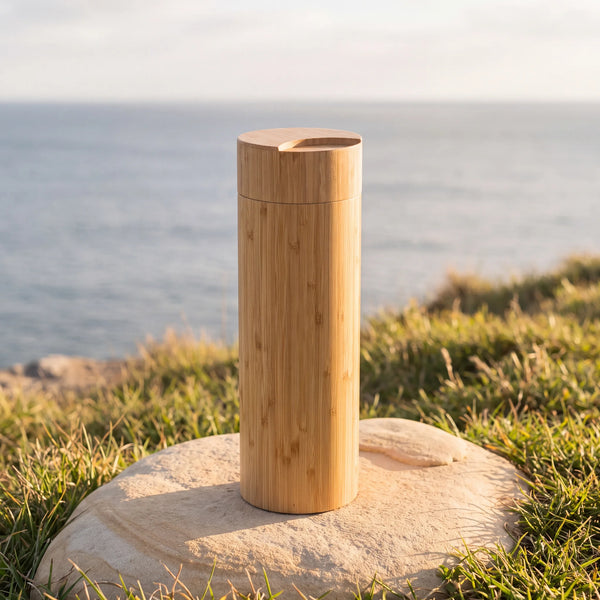 Eco Bamboo Biodegradable Scattering Urn for Ashes – Adult
$158.00
 Wildflower Adult Biodegradable Scattering Urn
$113.00
- ★ 5.0
 Rainbow River Eco Friendly Scattering Tube for Ashes - Adult
$94.00
 Natural Fibre Small Biodegradable Scattering Urn
$85.00
 Autumn Woods Eco Friendly Scattering Tube for Ashes - Adult
$94.00
 Paws to Paradise Eco Friendly Scattering Tube for Pet Ashes - Small
$79.00
 Wild Horses Eco Friendly Scattering Tube for Ashes - Mini
$70.00
 Silver Lining Eco Friendly Scattering Tube for Ashes - Medium
$80.00
 Silver Lining Eco Friendly Scattering Tube for Ashes - Mini
$70.00
 Silver Lining Eco Friendly Scattering Tube for Ashes - Token
$68.00


Jump to a section of this guideShow sectionsHide
Quick answer: The rules on scattering ashes are few. In the UK you do not need a license or government permit to scatter ashes: we found no UK law that asks for one, and the Marine Management Organisation says "You don't need a licence or permission to scatter ashes at sea after a cremation" (How to arrange a burial at sea in the UK marine area, GOV.UK, updated March 25, 2026). You can scatter on your own land, and on other land or water with the owner's or managing body's permission where they ask for it. On its own canals and rivers, the Canal & River Trust needs no permission for scattering over the water, but says additional items such as wreaths or memorabilia must not go in the water or be left on the bank (Canal & River Trust policy statement, January 2025). Scattering at sea needs no permit. In the US, the EPA requires ashes scattered at sea to be released "at least three nautical miles from land" and reported within 30 days (Burial at Sea, updated August 26, 2026), and in national park areas scattering needs a permit unless it is in a designated area (36 CFR 2.62(b), edition of July 1, 2024).
Scattering ashes is a meaningful way to give a loved one a final resting place, and in the UK the rules are more relaxed than many families expect. There is no license to buy and, in most places, no formal permit. What matters is permission for the land and a little care for the environment. This guide covers where you can scatter, whose permission you need, and the few rules that do apply, with separate sections for Scotland, Wales and Northern Ireland and for the United States. Each rule names its source, links to it and gives the date, so you can read it yourself.
This is general information, not legal advice. If you are unsure about a particular place, the landowner, the local council or a funeral director can tell you what applies there.
Key facts
- United Kingdom: "You don't need a licence or permission to scatter ashes at sea after a cremation" (Marine Management Organisation, How to arrange a burial at sea in the UK marine area, GOV.UK, updated March 25, 2026).
- United Kingdom: the Canal & River Trust says "You can scatter ashes over a body of water in the UK (including the Trust's waterways) without obtaining permission" (Restricted Activities on Trust Land: Policy Statement, version reference V1-0_22012025_B_EV-C1, read October 18, 2026).
- United Kingdom: to scatter on Canal & River Trust land rather than over the water, the Trust says "you must obtain written permission from in.memory@canalrivertrust.org.uk" (same policy statement, read October 18, 2026).
- England: Forestry England says "It is not possible to scatter ashes in our forests" (Dedication benches frequently asked questions, updated May 29, 2025, read October 29, 2026).
- One site in Bedford Borough: a leaflet for a single scattering spot on the River Great Ouse in Kempston, which gives an Environment Agency contact, says "Ashes themselves have little impact on water quality; other items should not be placed in the water with the ashes" (Funeral Ash Scattering Guidelines, July 2024, read October 29, 2026).
- United States: "Cremated remains shall be buried in or on ocean waters of any depth provided that such burial takes place at least three nautical miles from land" (EPA, Burial at Sea, updated August 26, 2026).
- United States: scattering in lakes, rivers and other inland waters "is not subject to federal regulation under the MPRSA", and states may have their own requirements (EPA, Burial at Sea, updated August 26, 2026).
- United States: in national park areas, "The scattering of human ashes from cremation is prohibited, except pursuant to the terms and conditions of a permit, or in designated areas" (36 CFR 2.62(b), edition of July 1, 2024).
United Kingdom: is there a law against scattering ashes?
We found no UK law that sets out where ashes may or may not be scattered. What the official pages do cover is who decides what happens to the ashes, and what you may put in the water with them. The land sections below are about the UK.
In England and Wales, the decision starts with the cremation application. Form Cremation 1 asks what should happen to the ashes, and the Ministry of Justice lists three choices: the crematorium scatters, inters or otherwise deals with them; you or someone you name collects them; or they are held while you decide (Cremation: guidance for applicants, updated September 9, 2024). Holding is not open-ended. The same guidance says "the crematorium will not hold on to them indefinitely", and that if ashes are not collected as agreed the crematorium will give "14 days' notice of their intentions of either burying or scattering the ashes".
The law may change. The Law Commission of England and Wales published its final report on burial and cremation on March 18, 2026, and says "Funeral directors hold hundreds of thousands of sets of ashes which have not been collected after cremation, which they currently cannot lawfully scatter or bury" (Burial and cremation project page, read October 18, 2026). It recommends a scheme so those ashes can go back to the crematorium. The project page says the recommendations are awaiting the Government's review, so nothing has changed in law yet.
On your own private land
In the UK we found no official rule that asks for anyone's permission to scatter ashes on land you own, such as your garden, a flower bed or the base of a tree. If you rent your home or the land is not yours, ask the owner first. Bear in mind you may not always have access to the spot if you sell the property, so some families keep a small portion in a keepsake urn as well.
On common land, parks and village greens
Common land, parks and village greens are often owned or managed by the local council. To scatter there, contact the landowner, normally the council, to ask permission first. If you are not sure who owns a particular spot, your local council can help identify the owner and whether scattering is allowed.
On National Trust and public land
The National Trust cares for many of the UK's most beautiful places, but you should always ask first: contact the property itself before you choose a spot. Be mindful of other visitors when choosing a spot, and ask the property which specific location it can agree to.
Forestry England and other public bodies each set their own rules. Forestry England says "It is not possible to scatter ashes in our forests", because "ashes contain minerals in concentrations that can impact soil composition and harm plants and trees" (Dedication benches frequently asked questions, updated May 29, 2025, read October 29, 2026). The Woodland Trust says "We appreciate being contacted for permission", and also that "Ashes can change the chemistry of the soil and damage these fragile and complex ecosystems. As we hope you appreciate, this means we cannot permit ash scattering in ancient woodland or other sensitive habitats" (Woodland Trust, Ashes scattering, read October 18, 2026). It offers to help find a suitable place in one of its other woods.
At sea, in rivers and lakes
In the UK, scattering on water is straightforward and needs no permit. Scattering at sea is the simplest case: the Marine Management Organisation says "You don't need a licence or permission to scatter ashes at sea after a cremation" (How to arrange a burial at sea in the UK marine area, GOV.UK, updated March 25, 2026). The marine license on that page is only for burying a body at sea, in English waters or Northern Irish offshore waters. For rivers and canals, the Canal & River Trust says ashes can be scattered over UK water without permission, but "You should make sure the effect on the environment and wildlife is minimal, and that you do not affect other watercourse users" (Restricted Activities on Trust Land: Policy Statement, read October 18, 2026). Together with our own suggestions, marked as such, the guidance we found sets out simple guidelines to protect the local ecosystem:
- Keep away from buildings, marinas, anglers, and site entrances (our own suggestion, not a rule from any source). The Canal & River Trust asks that you "do not affect other watercourse users".
- Older guides, including an earlier version of this one, say to choose a spot more than 1 km upstream of any point where water is collected or pumped. We could not find that wording on any Environment Agency page we were able to open, so we do not give it as a rule. If you plan to scatter near a reservoir or water intake, ask the Environment Agency first.
- Our own practical tip, not a rule: scatter as close to the water's surface as possible, ideally on a calm day.
- Anything scattered alongside the ashes, such as flowers or a wreath, should stay out of inland water. The Canal & River Trust says "Additional items (such as wreaths or memorabilia) must not be placed into the water or left on the bank". Scattering the ashes alone is best.
The bank and towpath are treated differently from the water. The same policy says "If you wish to scatter ashes somewhere on the Trust network (other than over water) you must obtain written permission from in.memory@canalrivertrust.org.uk." Where permission is given, it lists conditions: "There must be no disturbance of the ground", scattering "must be carried out discreetly", and "No memorials, however temporary, may be erected or planted." On parts of the network, the Trust says, local boating businesses have agreements to offer ash scattering trips.
A harbor, marina or beach still belongs to someone. If you want to scatter from a pier or a hired boat, the harbor authority or the boat owner can tell you what they allow. Our guide to the best places for water burials covers choosing a spot.
A purpose-made scatter tube or biodegradable water urn makes a water scattering cleaner and more dignified. A water urn is itself an item placed in the water, so it is not for a canal or river where the owner says no additional items may go in. Where the owner allows it, the Journey Biodegradable Water Urn for Ashes in Green, Adult is a flat, cushion-shaped urn in leafy green with a pale band across it. Its page says it holds 3.61 liters (about 220 cubic inches), measures 31.5 cm (12.4 in) high and 35.5 cm (14.0 in) wide, and comes with a biodegradable bag for the ashes. No glue is needed to close it. Set on the water, it floats briefly, then sinks and breaks down naturally. The photo below shows petals on the water. At sea in the United States the EPA allows readily decomposable flowers, but on UK rivers and canals the guidance quoted above says to leave them out.

Pictured: Journey Biodegradable Water Urn for Ashes in Green - Adult
For two people released together, such as a couple, the Shell Biodegradable Water Urns for Ashes in Coral Pink is shaped like an open scallop shell. Its page says it holds two sets of remains, 6.55 liters (about 400 cubic inches), and is 40.6 cm (16.0 in) wide. Once placed on the water, it floats for a short while before it sinks and breaks down. The sea, where the Marine Management Organisation says no license or permission is needed to scatter, is the natural place for it.

Pictured: Shell Biodegradable Water Urns for Ashes in Coral Pink
Scotland, Wales and Northern Ireland
The Marine Management Organisation's statement on scattering at sea and the Canal & River Trust's statement both speak of the United Kingdom as a whole. The Bedford Borough leaflet quoted below covers one site in England, and the Forestry England statement covers its own forests in England. In Scotland, Wales and Northern Ireland the environment regulators are the Scottish Environment Protection Agency, Natural Resources Wales and the Northern Ireland Environment Agency. We did not find a scattering page from any of the three that we could open and read, so we have not described their position. For a river or loch in those countries, ask the regulator or the landowner directly.
Scattering ashes abroad
You can take ashes overseas to scatter them, as long as you follow a few steps for the flight and the destination. GOV.UK sets out what is normally asked for when ashes leave a country (What to do after someone dies: death abroad, read October 29, 2026):
- Carry the death certificate and the cremation certificate. GOV.UK says "When leaving a country with human ashes you will normally need to show: the death certificate, the certificate of cremation".
- Use a non-metallic urn so it passes airport security, and ask your airline before you carry it in your hand luggage. GOV.UK says airlines "may ask you to put the ashes in a non-metallic container so that they can be x-rayed", and to contact your airline to find out whether you can carry the ashes in hand luggage or checked luggage.
- Our own suggestion, not something GOV.UK asks for: ask the crematorium for a statement confirming the urn holds only your loved one's ashes, matching the certificates. Some families find it helps at a border.
- Check the destination country's rules in advance, or contact its embassy, as requirements vary. GOV.UK says "Each country has its own rules about departing with human ashes and there may be additional requirements".
For the practical side of flying, see our guide on flying with ashes.
A note on the Environment Agency
If you have a specific location in England in mind and want to be sure of the environmental guidance for it, you can contact the Environment Agency directly to discuss it before you go.
The clearest wording we found is in a short leaflet for one site. "Funeral Ash Scattering Guidelines", dated July 2024 and published on the Bedford Borough Council website, gives an Environment Agency email address for questions and says it "follows our national policy on preventing any harm to the environment as a result of funeral practices." It is written for scattering in Bedford Borough, not as a rule for all of England. It says "Ashes themselves have little impact on water quality; other items should not be placed in the water with the ashes." It goes on: "Personal items & wreaths may contain plastic & metal parts, which can cause litter & harm wildlife. They must not be put into the water or left on the riverbank where they could be washed into the water" (Funeral Ash Scattering Guidelines, July 2024, read October 29, 2026). The leaflet names a scattering spot on the River Great Ouse next to Queens Bridge in Kempston and says "You do not need prior approval to scatter ashes."
United States federal rules (states differ)
At sea
Ocean scattering falls under a general permit issued by the Environmental Protection Agency. The EPA says "Cremated remains shall be buried in or on ocean waters of any depth provided that such burial takes place at least three nautical miles from land." It also says "You must notify the EPA of the burial at sea within 30 days following the event", and that "Flowers and wreaths consisting of materials that are readily decomposable in the marine environment may be placed at the burial site" (EPA, Burial at Sea, updated August 26, 2026). Three nautical miles is about 5.6 km.
Lakes, rivers and other inland waters
Federal ocean rules stop at the shore. The EPA says "Scattering of cremated remains in lakes, rivers, or other inland waters is not subject to federal regulation under the MPRSA. States, however, may have requirements governing the scattering of cremated remains into internal, non-ocean waters" (EPA, Burial at Sea, updated August 26, 2026). It points families to state environmental agencies, health departments or mortuary boards. Rules vary from state to state, so check with the one where you plan to scatter.
National parks
National park land has a federal rule of its own. Under 36 CFR 2.62(b) (edition of July 1, 2024), "The scattering of human ashes from cremation is prohibited, except pursuant to the terms and conditions of a permit, or in designated areas according to conditions which may be established by the superintendent." Each park sets its own conditions.
Biscayne National Park in Florida shows what those conditions can look like. Its page says "The scattering of cremated human remains ("cremains") in the park requires a Special Park Use Permit", that "All permits require a minimum of 15 business days to review", and that "No monument, memorial, plaque, structure, urn, photo or other commemorative item may be left" (National Park Service, Special Use Permit Information for Scattering of Ashes, last updated August 23, 2024). Other parks have different rules, so read the page for the park you have in mind.
Flying with the ashes
The Transportation Security Administration allows cremated remains in carry-on bags and checked bags, though some airlines do not accept them in checked bags. It suggests a container "made of a lighter weight material, such as wood or plastic", and says "Out of respect for the deceased, TSA officers will not open a container, even if requested by the passenger" (TSA, Cremated Remains, read October 18, 2026). A container that shows up as solid on the X-ray will not be allowed through.
Carrying the ashes to the place you have chosen
Once you know a place is allowed, the question becomes how to carry the ashes there and let them go cleanly. A scattering tube is made for that. Our scatter tubes for ashes come in sizes from Extra Large down to a small token. Each tube is for one scattering. Afterward, take the empty tube home with you, even though it is paper: the Canal & River Trust and Biscayne National Park rules quoted above say no items may be left.
A tube is for letting ashes go, not for keeping them. If the family wants to keep all of the ashes at home, or bury them in a cemetery plot, an urn made for display or burial is the better choice.
The Ascending Dove Eco Friendly Scattering Tube for Ashes, Adult is printed in a soft sky blue with a white dove rising in flight. Its page says it is made from recycled paper, with no metal or plastic parts, and that it "holds the full remains of one adult": 3.93 liters (about 240 cubic inches). This tube stands 36.8 cm (14.5 in) tall and 13.0 cm (5.1 in) wide, and weighs 0.39 kg (0.9 lb) empty. To fill it, you open the lid, fit the biodegradable bag inside, add the ashes and close the lid firmly. When you are ready, you remove the lid, open the perforated push-in tab and tip the tube gently away from your body. Its page says it is light enough to take in the cabin of an aircraft; the TSA's advice names wood or plastic, so check with your airline before you fly with it.

Pictured: Ascending Dove Eco Friendly Scattering Tube for Ashes - Adult
When the ashes are being shared and one person wants to scatter a little at a place of their own, the Bluebell Forest Eco Friendly Scattering Tube for Ashes, Mini is a small recycled paper tube printed with a bluebell wood. It holds 0.33 liters (about 20 cubic inches), is 13.3 cm (5.2 in) tall, and its page calls it "a keepsake portion, gentle and easy to carry".
Side by side:
- Ascending Dove Scattering Tube, Adult: 3.93 liters (about 240 cubic inches); removable lid and push-in tab; holds the full ashes of one adult for one scattering.
- Bluebell Forest Scattering Tube, Mini: 0.33 liters (about 20 cubic inches); removable lid and push-in tab; for a small share scattered at one place.
- Journey Water Urn in Green, Adult: 3.61 liters (about 220 cubic inches); ashes go in a biodegradable bag inside, lid closes without glue; placed on water where the owner allows it.
- Shell Water Urn in Coral Pink: 6.55 liters (about 400 cubic inches), for two sets of remains; the two halves press together without glue; placed on water where the owner allows it.
For ideas on the ceremony itself and the practical how-to, see our guides on how to scatter ashes and unusual ways to scatter ashes, and our hub on what to do with ashes after cremation.
Sources
- Marine Management Organisation (on GOV.UK), How to arrange a burial at sea in the UK marine area, updated March 25, 2026. Read October 18, 2026.
- Canal & River Trust, Restricted Activities on Trust Land: Policy Statement, version reference V1-0_22012025_B_EV-C1, January 2025. Read October 18, 2026.
- Funeral Ash Scattering Guidelines (published on the Bedford Borough Council website; one site in Bedford Borough; gives an Environment Agency contact and says it follows "our national policy"), leaflet, July 2024. Read October 29, 2026.
- Ministry of Justice, Cremation: guidance for applicants for deaths that occurred in England and Wales, updated September 9, 2024. Read October 18, 2026.
- Law Commission, Burial and cremation, project page, final report published March 18, 2026. Read October 18, 2026.
- Forestry England, Dedication benches frequently asked questions, updated May 29, 2025. Read October 29, 2026.
- Woodland Trust, Ashes scattering, no date shown on the page. Read October 18, 2026.
- GOV.UK, What to do after someone dies: death abroad. Read October 29, 2026.
- United States Environmental Protection Agency, Burial at Sea, updated August 26, 2026. Read October 18, 2026.
- Code of Federal Regulations, 36 CFR 2.62, Memorialization, edition of July 1, 2024, via govinfo.gov. Read October 18, 2026.
- National Park Service, Biscayne National Park, Special Use Permit Information for Scattering of Ashes, last updated August 23, 2024. Read October 18, 2026.
- Transportation Security Administration, Cremated Remains. Read October 18, 2026.
Sizes and product details in this guide were checked against our product pages on October 30, 2026.
Frequently asked questions
Do you need a permit to scatter ashes in the UK?
No. There is no license or government permit to scatter ashes in the UK. We could find no law that asks for one, and the Marine Management Organisation says none is needed at sea. You can scatter on your own land freely, and on other land or water with the owner's permission where they ask for it (over water, the Canal & River Trust says none is needed); the main consideration is care for the environment, and to scatter on Canal & River Trust land rather than over the water, the Trust says "you must obtain written permission from in.memory@canalrivertrust.org.uk" (Canal & River Trust policy statement, January 2025).
Can you scatter ashes anywhere?
Not everywhere. We found no UK law that lists where ashes may be scattered. At sea no permission is needed, the Marine Management Organisation says (GOV.UK, updated March 25, 2026), and the Canal & River Trust says you can scatter over a body of water in the UK without permission (Canal & River Trust policy statement, January 2025). You can scatter freely on your own land. For council land, National Trust sites, parks and private estates, our advice is to assume you need the owner's or managing body's permission and ask first, because some say no: Forestry England says "It is not possible to scatter ashes in our forests" (Forestry England, updated May 29, 2025), the Woodland Trust does not allow scattering in ancient woodland or other sensitive habitats (Woodland Trust, read October 18, 2026), and for National Trust land, ask the property first. Keep away from water collection points, buildings and other people as a courtesy: this is our own suggestion, and near a reservoir or water intake, ask the Environment Agency first.
Can you scatter ashes at sea in the UK?
Yes, and no permit is needed: the Marine Management Organisation says "You don't need a licence or permission to scatter ashes at sea after a cremation" (GOV.UK, updated March 25, 2026). Follow the same care as inland: as our own suggestion, scatter close to the water's surface on a calm day, away from marinas and anglers, and scatter only the ashes.
How far from water should you scatter ashes?
We could not find an official distance. Older guides say the Environment Agency advises scattering at least 1 km upstream of any point where water is collected or pumped, but we could not find that wording on any Environment Agency page we were able to open, so if you plan to scatter near a reservoir or water intake, ask the Environment Agency first, to protect drinking-water sources and the local ecosystem.
Can you scatter ashes abroad?
Yes. Carry the death and cremation certificates, which GOV.UK says you will normally need to show, use a non-metallic urn, ask your airline about hand luggage, and check the destination country's rules or its embassy before you travel (GOV.UK, death abroad, read October 29, 2026).
How far out do you have to be to scatter ashes at sea in the US?
At least three nautical miles from land, about 5.6 km, under the EPA's general permit, and the EPA must be told within 30 days (Burial at Sea, updated August 26, 2026).
Do you need a permit to scatter ashes in a US national park?
Yes, unless the park has a designated area for it: under 36 CFR 2.62(b) scattering is prohibited "except pursuant to the terms and conditions of a permit, or in designated areas" (36 CFR 2.62(b), edition of July 1, 2024), and each park sets its own conditions.
Can you put flowers in the water with the ashes?
In the UK, the Bedford Borough leaflet for one site on the River Great Ouse, which gives an Environment Agency contact, says other items should not go in the water with the ashes (Bedford leaflet, July 2024), and the Canal & River Trust says wreaths and memorabilia must not be put in the water or left on the bank (Canal & River Trust policy statement, January 2025). At sea in the United States, the EPA allows flowers and wreaths that are readily decomposable in the marine environment (EPA, Burial at Sea, updated August 26, 2026).
Can a crematorium scatter the ashes for you?
Yes, in England and Wales this is one of the three choices on form Cremation 1, which the Ministry of Justice describes as ashes "scattered / interred / or otherwise dealt with by the crematorium" (Cremation: guidance for applicants, updated September 9, 2024).
Small Urns for Ashes
- ★ 5.0
Butterfly Keepsake Urn for Ashes in Gold
$109.00
- ★ 5.0
Whistling Bird Keepsake Urn for Ashes in Sage Green
$105.00
- ★ 5.0
Embrace Heart Small Urn for Ashes in Brown and Gold
$288.00
- ★ 4.7
Teardrop Heart Small Urn for Ashes in White and Gold
$288.00
- ★ 5.0
Cuddle Stone Keepsake Urn for Ashes in Glossy Sand
$105.00
- ★ 4.8
Heart Keepsake Urn for Ashes in White
$109.00
- ★ 5.0
Odyssee Metal Teardrop Keepsake Urn for Ashes in Midnight Blue and Silver
$117.00
- ★ 5.0
Guardian Angel Small Urn for Ashes in Oily Green
From $263.00
- ★ 5.0
Lantern Candle Small Urns for Ashes
$247.00
- ★ 5.0
The Passage Small Urn for Ashes in Oily Green
From $309.00
Shop the collections in this guide

Written by Abbey Nicholls
Looking for an urn?
Browse the full range, or ask us and we will help you find the right one.
Keep reading
-
9 min read
How to Choose a Burial Place for Ashes
-
12 min read
What Is a Water Burial and How Does the Ceremony Work?
-

11 min read
What Can I Do With My Dad's Ashes? A Gentle Guide
See every guide on What to Do With Ashes: Scattering, Burial and Keeping



Leave a comment
This site is protected by hCaptcha and the hCaptcha Privacy Policy and Terms of Service apply.