
14 Unusual Ways to Scatter Ashes

Quick answer: Beyond a simple garden or sea scattering, families scatter ashes by firework, plane, drone, hot air balloon, biodegradable balloon, and even into space or to the moon. On the water, options include sea burial by boat, beaches, and memorial coral reefs. On land, sports grounds and memorial gardens are popular. Always check permission for the location and consider keeping a small portion back in a keepsake urn before you scatter.
Choosing where to scatter a loved one's ashes is a deeply personal decision, and it does not have to follow convention. If you are looking for something that reflects who they were, here are fourteen of the more unusual ways families choose to say goodbye, grouped by air, water and land. First, a short look at where people usually scatter ashes, and after the fourteen ideas, how to spread ashes well on the day and the rules in the UK and the US.
For the land and water ideas below, a scatter tube for ashes makes the moment easier: it carries the ashes to the place and lets them go in a steady stream. The Ascending Dove Eco Friendly Scattering Tube for Ashes - Adult is one example. It is made from recycled paper with a sky-blue dove print, and a push-in tab opens it for a controlled release.

Pictured: Ascending Dove Eco Friendly Scattering Tube for Ashes - Adult
Where to scatter ashes: the places people choose most
Most scatterings happen somewhere ordinary that meant something. These are the usual places, before the more unusual ideas further down.
- A garden at home. Your own land needs no permission. Think about whether you may move house one day, as the ashes stay behind.
- A crematorium garden of remembrance. Crematoria usually have one, and staff can scatter for you, or with you present.
- The sea or a river. In the UK, scattering at sea needs no license or permission, according to GOV.UK (more on the rules below).
- Woods, hills and open countryside. Ask the landowner. The Woodland Trust, for example, asks to be contacted first.
- A beach. Choose a quiet time and let the tide take the ashes.
- A sports ground, golf course or club. Many have a set place for it. Ask before the day.
- Somewhere abroad. A place from a favorite holiday. The rules are those of that country, so check before you travel.
If the family cannot agree on one place, the ashes can be shared. A small tube for each person lets everyone scatter at the place that matters to them.
By air
Fireworks
Fireworks are one choice, and several companies offer celebration-of-life firework displays. A small amount of ashes is loaded into individual rockets, so you can send some skyward and keep the rest. Self-fire options come with a certificate of authenticity so you know only your loved one's ashes are inside.
By plane
Sometimes called an aerial burial, scattering from a plane usually includes a certificate and the GPS coordinates of the release. You can often accompany the pilot, or follow in a second aircraft. Choose a reputable operator, as low-pressure currents can draw ashes back toward the plane if it is not done properly.
By drone
If a plane feels too impersonal, a remote-controlled drone brings the ceremony closer to home. You can do it yourself with a capable drone, or use a specialist service, and a second drone can film the moment.
Skydiving
Still a niche choice, but a powerful one. A trained skydiver can release ashes mid-jump, and some specialist operators will arrange it on a family's behalf if you ask.
Biodegradable balloons
A small amount of ash is placed in each biodegradable balloon, which rises and bursts high in the sky. It makes a gentle group ceremony, with each family member releasing their own. Avoid attaching string or other materials that could harm wildlife.
Hot air balloon
Several companies, particularly in the South West of England, will take you up at dawn or dusk to scatter ashes over panoramic views. A quiet, beautiful send-off with the whole landscape below.
Into space
For someone who looked up at the stars, a portion of ashes can be launched into the stratosphere, with the ascent and release filmed as a keepsake. The ashes eventually re-enter the atmosphere and return to earth.
To the moon
A small ash capsule can be carried to the moon aboard a memorial spacecraft on a lunar lander. Wherever you are, you can then look up and know they are there.
On the water
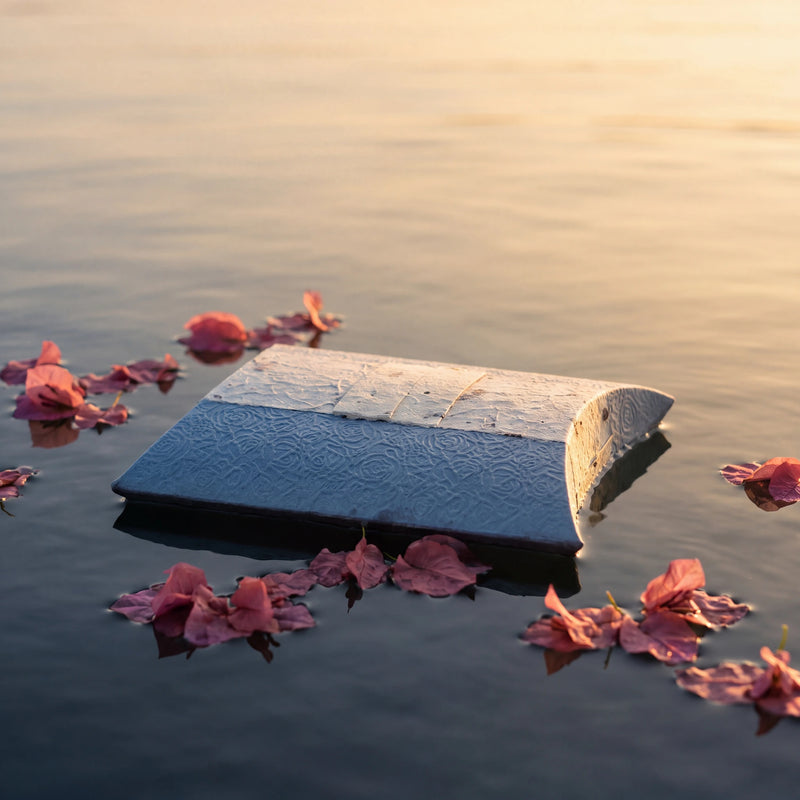
A water urn is placed on the surface rather than poured. The Journey Biodegradable Water Urn for Ashes in Aqua Blossom - Adult is aqua blue with a blossom print. It floats briefly, then sinks and breaks down.

Pictured: Journey Biodegradable Water Urn for Ashes in Aqua Blossom - Adult
Sea burial by boat
A classic for good reason. Ashes can be cast directly from a boat, or placed in a biodegradable water urn that floats briefly, then sinks and breaks down. Our biodegradable water urns are made for exactly this. For a couple, or two people who wish to go together, the Shell Biodegradable Water Urns for Ashes in Aqua Blue is shaped like an open scallop shell and holds two sets of remains.

Pictured: Shell Biodegradable Water Urns for Ashes in Aqua Blue
Jet ski
There is no formal service for this yet, but families have done it themselves, taking a loved one out across the water one last time. As ever, check local rules for the spot you choose.
Beaches
On a beach, choose a quiet spot away from other people, and ask the local council or landowner first if you are unsure. Some families dig a small hollow, or build a sandcastle to rest the ashes in, and let the incoming tide carry them out to sea.
Memorial coral reef
Ashes can be set into a cast concrete memorial reef, which is lowered to the sea bed to become an artificial reef and a habitat for marine life, expected to last hundreds of years. Many providers give you the GPS location so you can dive to visit.
At a meaningful place
A sports ground or memorial garden
For a lifelong supporter, many clubs have a garden of remembrance where ashes can be scattered, and a few still allow scattering pitchside. Always contact the club first to arrange permission and a time. Where scattering is not allowed, clubs often offer memorial bricks, plaques or walls instead.
Memorial bullets
Not for everyone, but fitting for a keen shooter or hunter. A small amount of ashes can be loaded into cartridges, from a single round to an organized day for family and friends, with some providers offering personalized shells.
Creative ways to scatter ashes, side by side
A short list to compare the ideas above. "Portion" means only a small amount of the ashes is used, so the rest can be kept or scattered elsewhere.
- Fireworks: portion; through a specialist company or a self-fire kit; check local rules on fireworks.
- Plane or hot air balloon: all or part; through an operator, who arranges the flight.
- Drone: portion; do it yourself or use a service; ask the landowner.
- Skydiving: portion; only with a trained skydiver.
- Biodegradable balloons: portion; a group can each release one; no string.
- Space or the moon: small portion; through a specialist company only.
- Sea by boat: all; loose or in a water urn; no license needed at sea in the UK, according to GOV.UK.
- Beach: all or part; at a quiet time, below the tide line.
- Memorial reef: all; through a reef provider.
- Sports ground or club garden: all or part; only with the club's permission.
- Memorial cartridges: portion; through a specialist provider.
How to spread ashes: the best way on the day
The best way to scatter ashes is the one that suits the place. A few practical points make it go smoothly wherever you are.
- Check the wind. Stand with the wind behind you and hold the ashes low. This is the most common thing that goes wrong.
- Know what to expect. Cremated ashes are coarse, more like fine gravel than dust, and pale grey.
- Use a scatter tube or a water urn. A tube lets the ashes out in a steady stream as you walk, and a water urn is set on the surface instead of being poured.
- Try trenching or raking on land. Pour the ashes into a shallow groove in the soil and cover it, or scatter over a flower bed and rake them in.
- Keep it short. A reading or a few words before you begin, then a minute of quiet, is enough.
Our guide on how to scatter ashes goes through each method step by step.
Rules for scattering ashes in the United Kingdom
On land, ask the landowner first. For the sea, GOV.UK says, on its burial at sea page (updated March 25, 2026, read November 4, 2026): "You don't need a licence or permission to scatter ashes at sea after a cremation." Read the page on GOV.UK.
For woods, the Woodland Trust asks families to contact it for permission first and does not allow scattering in ancient woodland or sensitive habitats (page read November 4, 2026). For rivers, lakes, national parks and other places, see our guide to the laws, regulations and permits for scattering ashes. This is general information, not legal advice.
Rules for scattering ashes in the United States
At sea, federal rules apply. The EPA's burial at sea page (updated August 26, 2026, read November 4, 2026) says cremated remains may be placed in ocean waters "at least three nautical miles from land", and "You must notify the EPA of the burial at sea within 30 days following the event." The same page says scattering in lakes, rivers or other inland waters is not covered by that federal law, but states may have their own requirements. Rules on land differ from state to state, so check with the state, the park or the landowner.
Scattering tubes and water urns for these ideas
None of the air ideas needs an urn from us: the operator supplies what it uses. For a scattering on land or on the water, these are the pieces shown in this guide, plus two more. Sizes are from each product page.
- Ascending Dove Scattering Tube, Adult: 3.93 L (about 240 cu in), holds the full remains of one adult; push-in tab; for scattering by hand.
- Bluebell Forest Scattering Tube, Mini: 0.33 L (about 20 cu in), a portion; push-in tab; for sharing ashes or a second place.
- Journey Water Urn in Aqua Blossom, Adult: 3.61 L (about 220 cu in), an adult up to about 99 kg (218 lb); lid, no glue; water only.
- Journey Water Urn in Green, Adult: 3.61 L (about 220 cu in), an adult up to about 99 kg (218 lb); lid, no glue; water only.
- Shell Water Urn in Aqua Blue: 6.55 L (about 400 cu in), two sets of remains; water only.
The Bluebell Forest Eco Friendly Scattering Tube for Ashes - Mini stands 13.3 cm (5.2 in) tall, with a bluebell woodland print on recycled paper. It is small enough for a bag or a pocket, which suits a scattering at a second place or a share for each family member.

Pictured: Bluebell Forest Eco Friendly Scattering Tube for Ashes - Mini
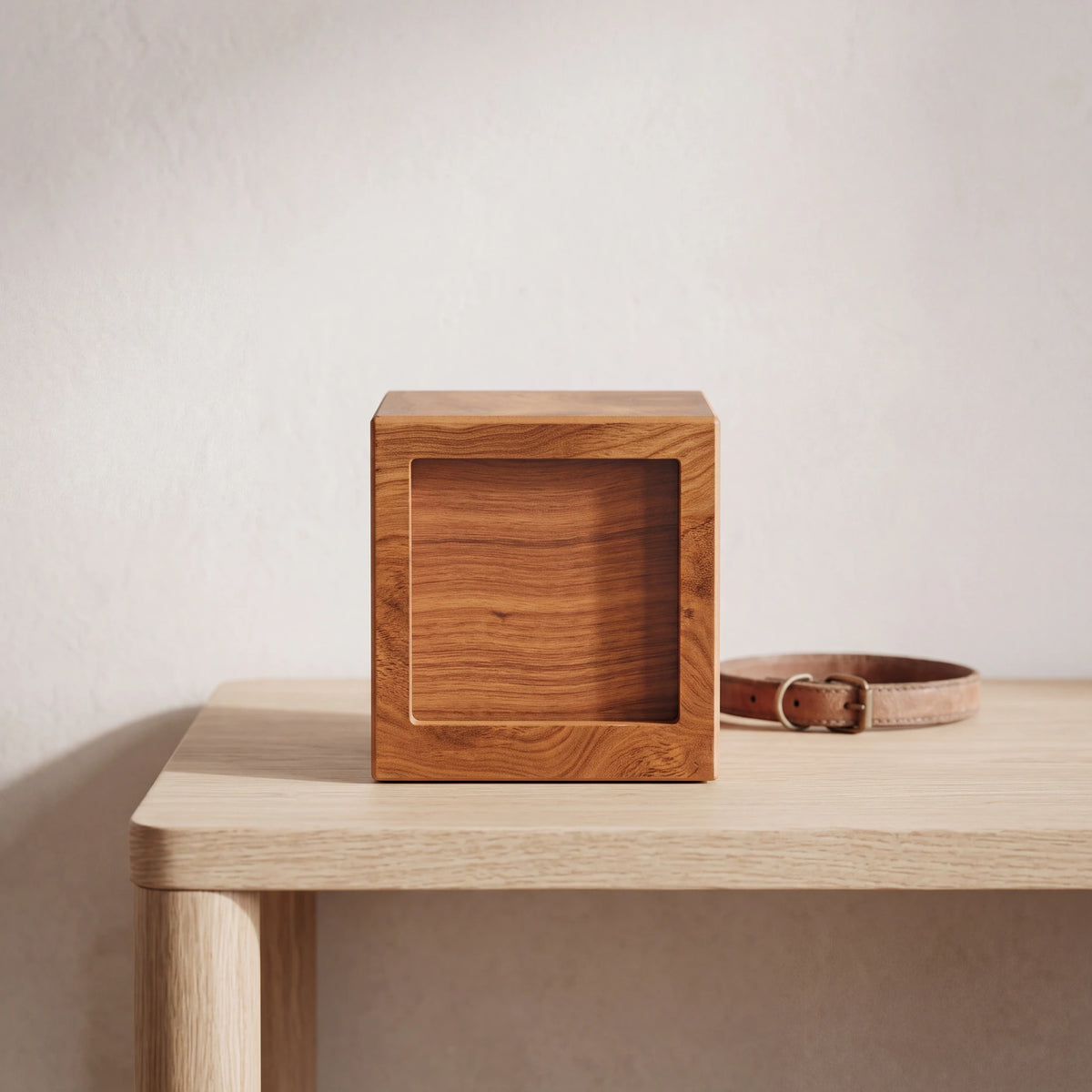
Who these do not suit: the water urns are made to sink and break down, so they are not for keeping at home or for scattering on land. A mini tube is too small for a full adult's ashes. For ashes you want to keep, look at a keepsake urn instead.
Keep a little back
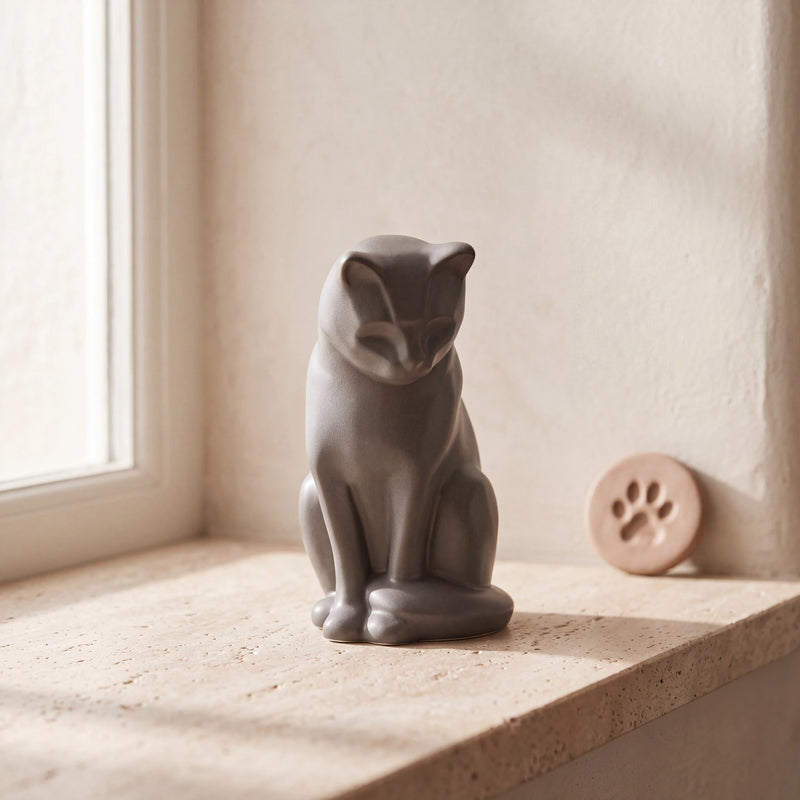
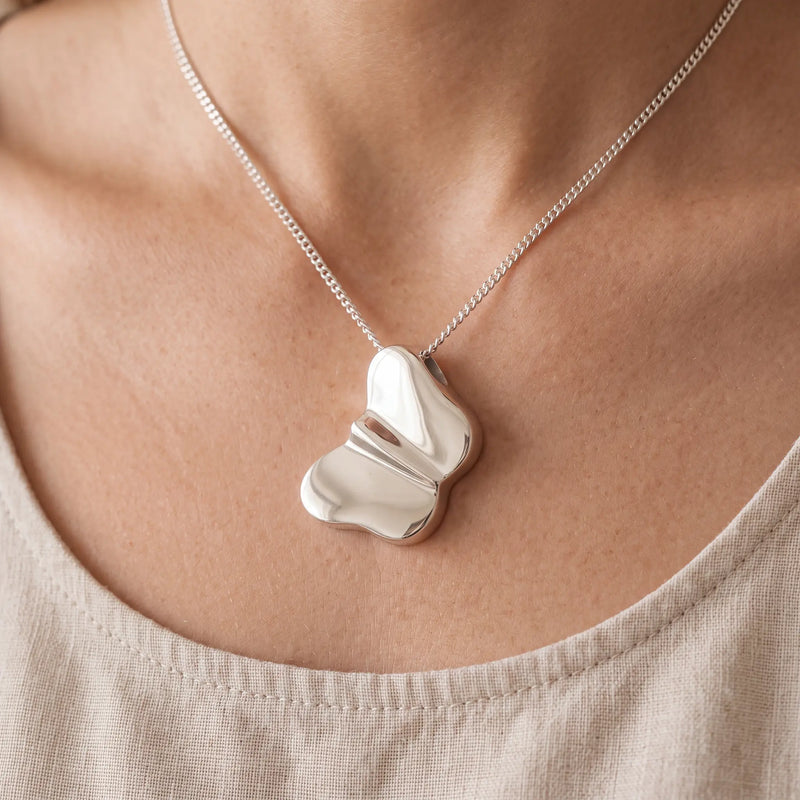
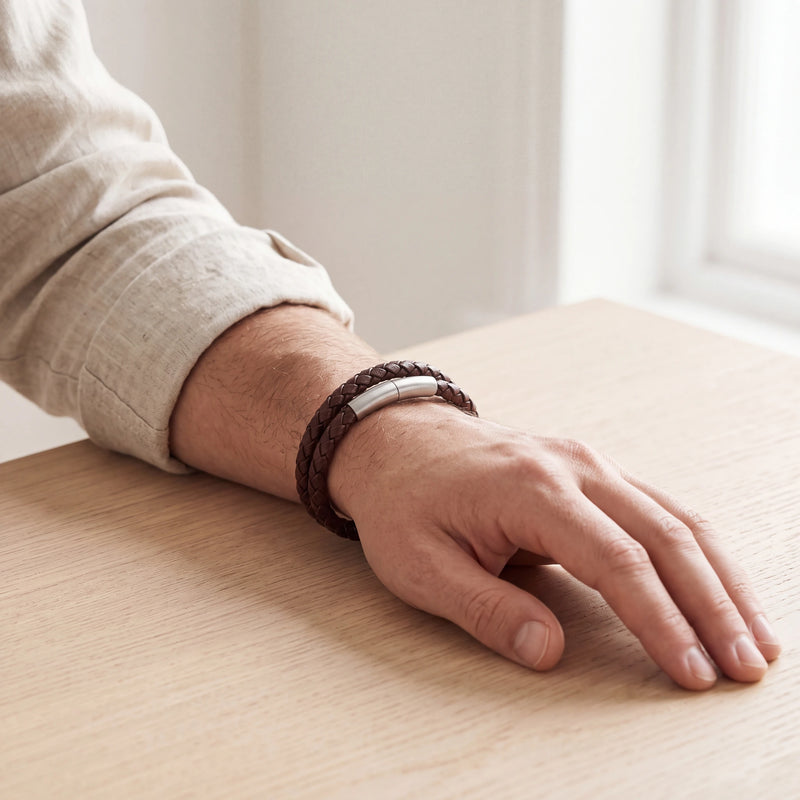
Whichever you choose, some families keep a small portion of ashes before scattering, in a keepsake urn or a piece of ashes jewellery, so they always have something close. For the practical side of scattering cleanly, see our guide on how to scatter ashes, and for every option in one place, our hub on what to do with ashes after cremation.
Sizes and product details in this guide were checked against our product pages on November 5, 2026.
Frequently asked questions
Do I need permission to scatter ashes?
Ask whoever owns or manages the place first: the council for a park or beach, the club for a sports ground, the estate for private land. At sea in the UK, GOV.UK says no license or permission is needed. For a plane, balloon or skydive, the operator arranges it; for a drone, ask the landowner. Rules differ by country and by US state, so see our guide to the laws and permits for scattering ashes.
Can I scatter ashes at sea myself?
Yes. In the UK no license or permission is needed to scatter ashes at sea, according to GOV.UK (updated March 25, 2026). In US ocean waters the EPA asks for at least three nautical miles from land and a notice within 30 days. A biodegradable water urn makes the release cleaner and more dignified than casting loose ashes.
Can ashes really be sent into space or to the moon?
Yes. Specialist companies launch a small portion of ashes into the stratosphere or carry an ash capsule to the moon aboard a memorial spacecraft. Only a small amount is used, so you can keep the rest.
Should I keep some ashes before scattering?
Some families keep a small portion back. A keepsake urn or ashes jewellery lets you hold on to a small portion for a future memorial.
Where is the best place to scatter ashes?
The best place is one that meant something to the person and where you have permission: a garden, a favorite walk, a beach, the sea, a crematorium garden of remembrance or a sports club. Somewhere you can return to also gives the family a place to visit.
What is the best way to scatter ashes?
Stand with the wind behind you and keep the ashes low. A scatter tube lets them out in a steady stream on land, and a biodegradable water urn is placed on the surface at sea or on a lake.
Can you scatter ashes anywhere?
No. Ask the landowner or whoever manages the place first, and some places, such as ancient woodland in Woodland Trust woods, do not allow it. Our guide to the laws and permits for scattering ashes covers the UK and the US.
Scatter Tubes for Ashes
See all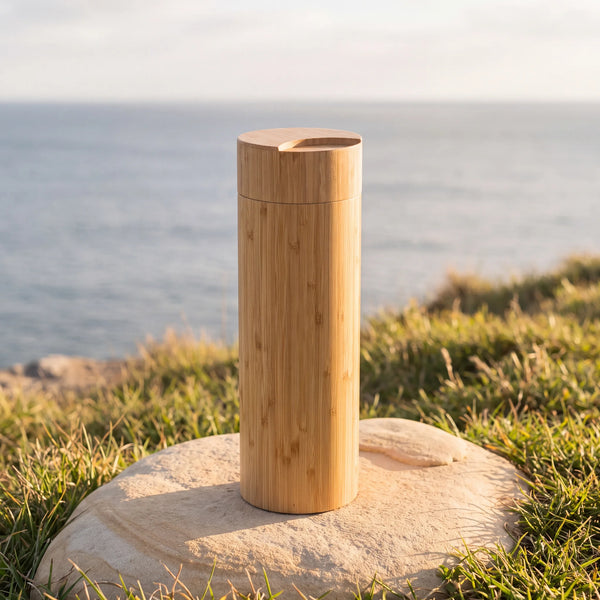 Eco Bamboo Biodegradable Scattering Urn for Ashes – Adult
 Wildflower Adult Biodegradable Scattering Urn
 Rainbow River Eco Friendly Scattering Tube for Ashes - Adult
 Natural Fibre Small Biodegradable Scattering Urn
Written by Charlie Mungin
Looking for an urn?
Browse the full range, or ask us and we will help you find the right one.
Keep reading
-
11 min read
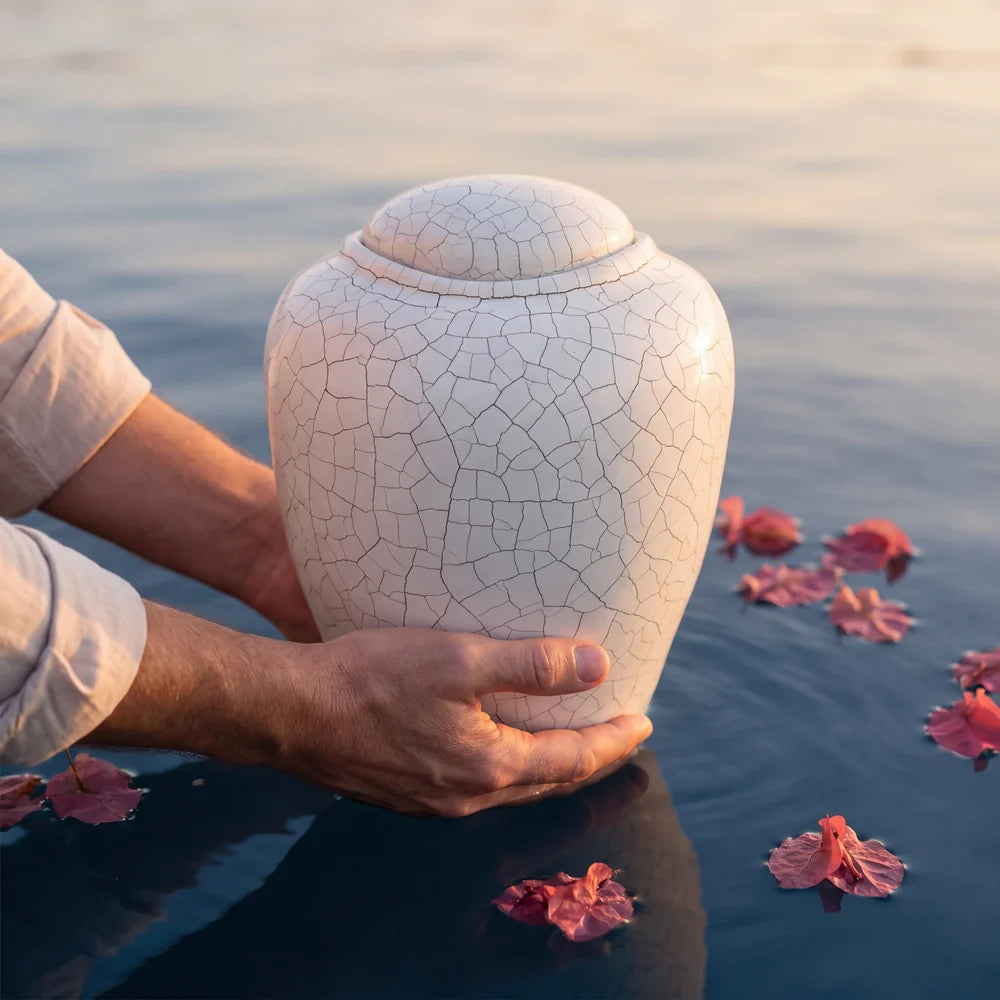
Best Places for Water Burials at Sea, on Rivers and Lakes
-
12 min read
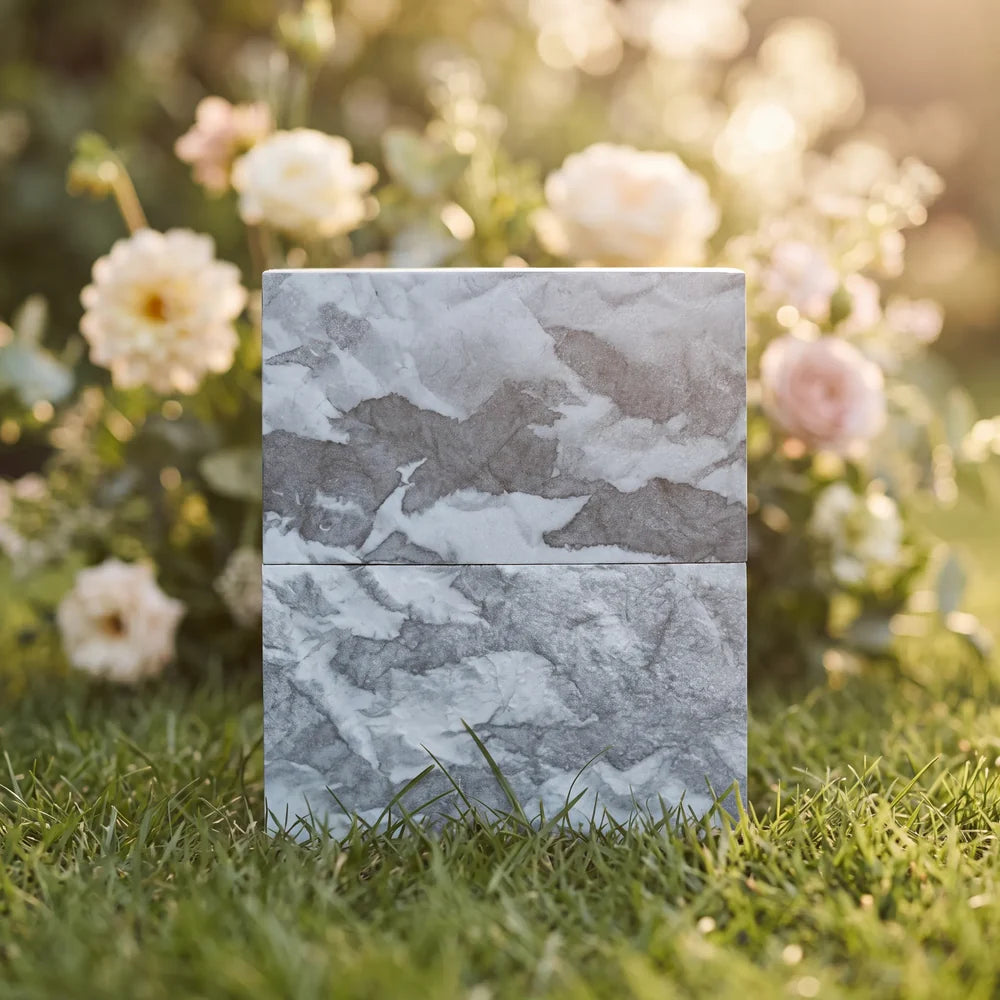
Burying Ashes in Your Garden: What to Know First
-
11 min read
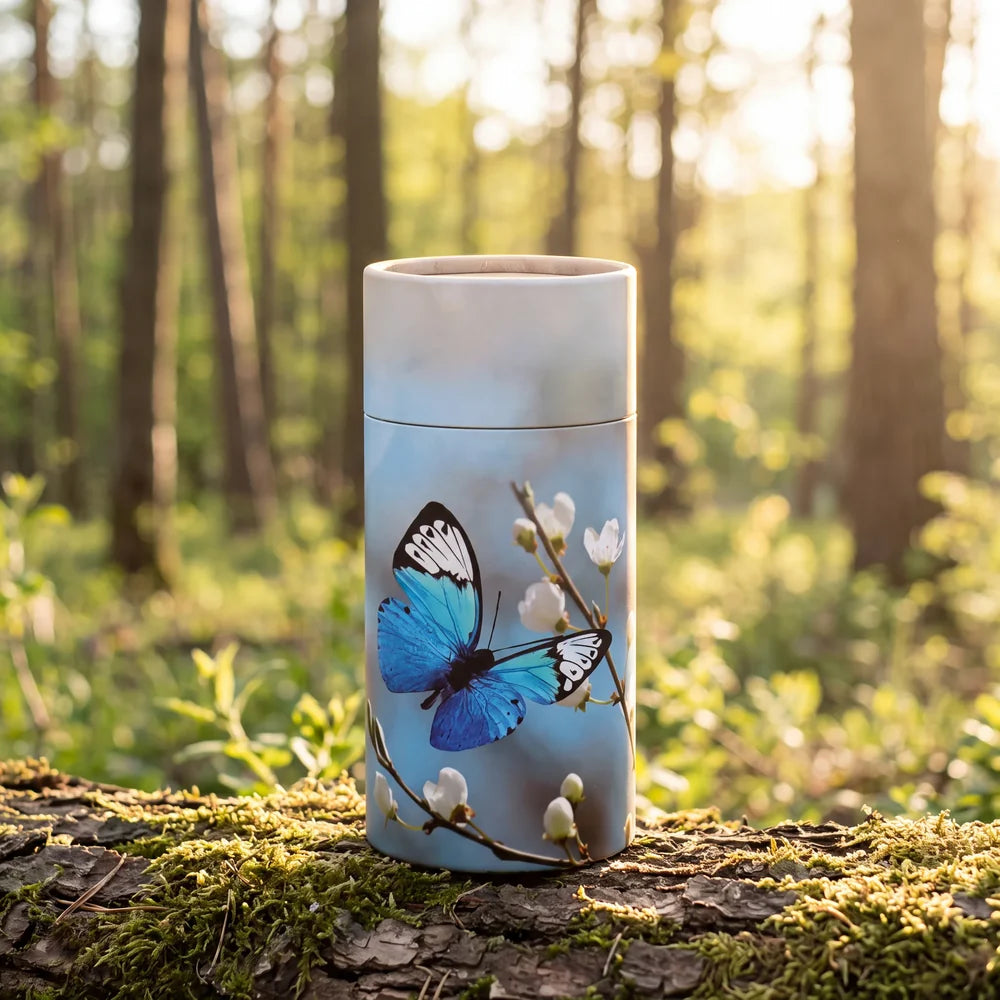
Scattering Ashes Ceremony: Ideas, Words and What to Bring
See every guide on What to Do With Ashes: Scattering, Burial and Keeping


Leave a comment
This site is protected by hCaptcha and the hCaptcha Privacy Policy and Terms of Service apply.