

The History of Cremation Jewellery, From Hair to Ashes
Quick answer: The history of cremation jewellery begins with mourning jewellery that held hair, not ashes. The Victoria and Albert Museum has a gold ring dated 1661 with a lock of hair inside it, and Queen Victoria kept a locket holding hair and a photograph of Prince Albert. Jewellery made to hold ashes came later, once cremation itself became available, and today it is usually a silver pendant, bead or bracelet with a small hidden chamber.
People have worn something of the dead for centuries. What they wore has changed. For most of that time it was a ring or a locket with a lock of hair, because hair was what a family had. Ashes came into it much later.
This guide follows the history of cremation jewellery through objects you can still see in museums, and says where the record runs out. It ends with what the same idea looks like in our ashes jewellery today, and with who it does not suit.
Before ashes: rings that held hair
The oldest pieces that work the way cremation jewellery works are mourning rings. One in the Victoria and Albert Museum in London is dated 1661 and commemorates Samuel Nicholets, who died in July of that year. The museum describes it like this: "The ring is hollow, and a lock of hair curls around within it, visible through the openwork of the enamelled decoration of skulls and coats of arms" (V&A, Mourning ring, museum number M.156-1962, read on October 12, 2026).
That is a hollow piece of jewellery with part of a person inside it. The principle has not changed in more than 360 years.
Rings like this were not rare one-offs. According to the V&A's note on a second ring, made in about 1719, "From the early seventeenth to the end of the nineteenth century, testators left money in their wills to have rings with commemorative inscriptions made and distributed to their friends and families" (V&A, Mourning ring, museum number M.371-1923, read on October 12, 2026). The same note says these rings were "sometimes distributed at the funeral".
Hair was the personal part. The V&A puts it plainly: "Hair from the deceased was incorporated into the designs or set in a compartment at the back of the ring to give each jewel a uniquely personal element." A compartment at the back, out of sight, is exactly where the chamber sits on most ashes pendants now.
The urn appears on the jewellery
Designs changed. The same V&A note records that "In the later 18th century, rings followed neo-classical designs, their oval bezels often decorated with the same designs as funerary monuments such as urns, broken pillars and mourning figures."
So the urn reached mourning jewellery as a picture long before any jewellery held ashes. It was a symbol borrowed from ancient monuments, painted or engraved on the face of a ring. If the older story of the urn interests you, our guide to the history of cremation urns covers it.
Queen Victoria's locket
The best known mourner of the 1800s wore the same kind of keepsake. The Royal Collection Trust holds a small gold locket of Queen Victoria's, dated circa 1861, set with onyx and a diamond star. Its catalog entry says: "The locket opens to reveal hair on one side and a hand-coloured photograph of Prince Albert by Camille Silvy on the other, both under glass" (Royal Collection Trust, Queen Victoria's Locket, RCIN 65301, read on October 12, 2026).
Hair and a photograph, side by side in one locket. The locket we sell for ashes is described in much the same terms, as you will see below.
When ashes became possible
Great Britain
Jewellery can only hold ashes where families receive ashes. In Britain that is a recent thing. The Cremation Society says it "was established in 1874" and that it "built and operated the very first crematorium for public use, in 1885 in Woking, Surrey" (The Cremation Society, Our History, read on October 12, 2026).
Every ring described above was made before that date. Their makers used hair because, for a British family of the time, hair was the keepsake to hand.
Where the record runs out
We looked for a museum or archive record that dates the first piece of jewellery made to hold cremation ashes, and did not find one we could rely on. You will see confident dates and stories about ancient peoples on other websites. We have left them out, because we could not trace them to a source. What the museum objects do show is where the forms come from: a hollow ring with hair inside it, dated 1661; mourning rings with hair set in a compartment at the back; and a locket of about 1861 that opens. Ashes jewellery sold today uses the same forms.
Cremation jewellery today
Modern pieces come in two kinds. Self-fill jewellery has a small hollow chamber that you open, fill with a pinch of ashes and close at home. Made-to-order jewellery is produced by a jeweler who sets a little of the ashes into glass or resin so they show in the design. We sell only the self-fill kind, and our guide to self-fill ashes jewellery explains how the chamber opens and how to fill it.
Set the five pieces below beside the 1661 ring and the differences are plain. None of them has skulls or black enamel on it. Four are sterling silver, and one is leather and stainless steel. Three hang from a chain, and two are worn on the wrist.
A pendant with the chamber at the back
The Self-fill Classic Star Memorial Ashes Pendant shows how quiet these pieces have become. It is a small polished star in 925 sterling silver, 1.7 cm high and 1 cm wide (0.67 by 0.39 in). The back opens with a screw closure. A 46 cm (18 in) rhodium-plated curb chain is included, and the page gives the capacity as a symbolic amount.

Pictured: Self-fill Classic Star Memorial Ashes Pendant
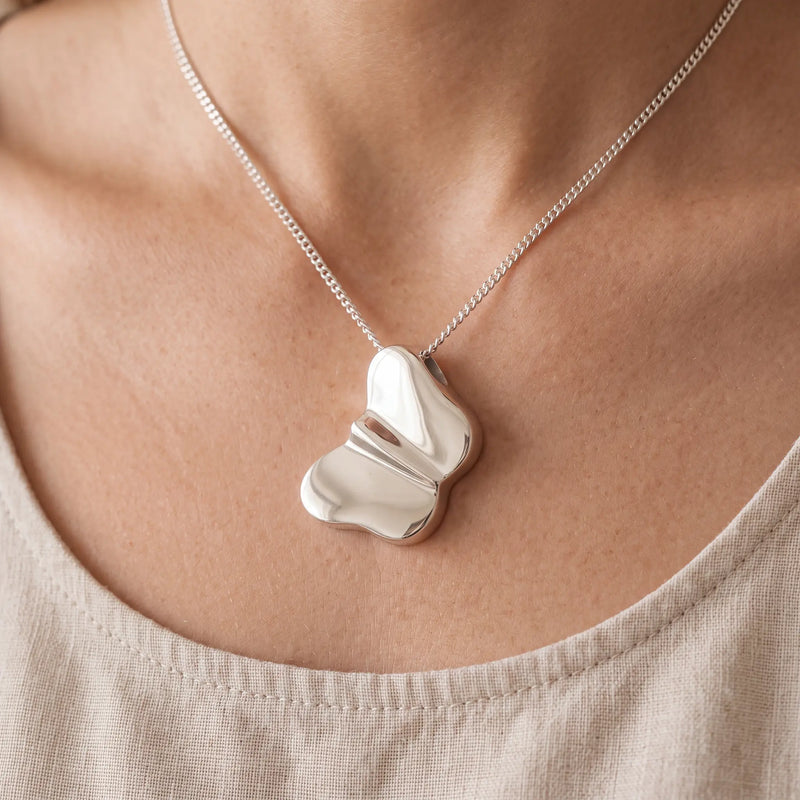
Other pendants take a shape from nature. On the Self-fill Butterfly Memorial Ashes Pendant, a smooth, glossy silver butterfly shape 2.0 cm high and 1.4 cm wide (about 0.8 by 0.55 in), the ashes chamber sits on the back. More designs are in our ashes pendants.

Pictured: Self-fill Butterfly Memorial Ashes Pendant
A locket that still takes hair
The closest thing we sell to Queen Victoria's locket is the Self-fill Heart Locket Memorial Ashes Pendant. Its page says the locket opens to hold "a small amount of ashes, a tiny photo, or even a lock of hair". It is 925 sterling silver with rhodium plating, 2.8 cm high and 2.1 cm wide (about 1.1 by 0.83 in), and comes on the same 46 cm (18 in) chain.
That matters if there are no ashes. After a burial, or when the ashes have already been scattered, a lock of hair or a photograph can go in a locket just as it did in 1861.
Bracelets and beads
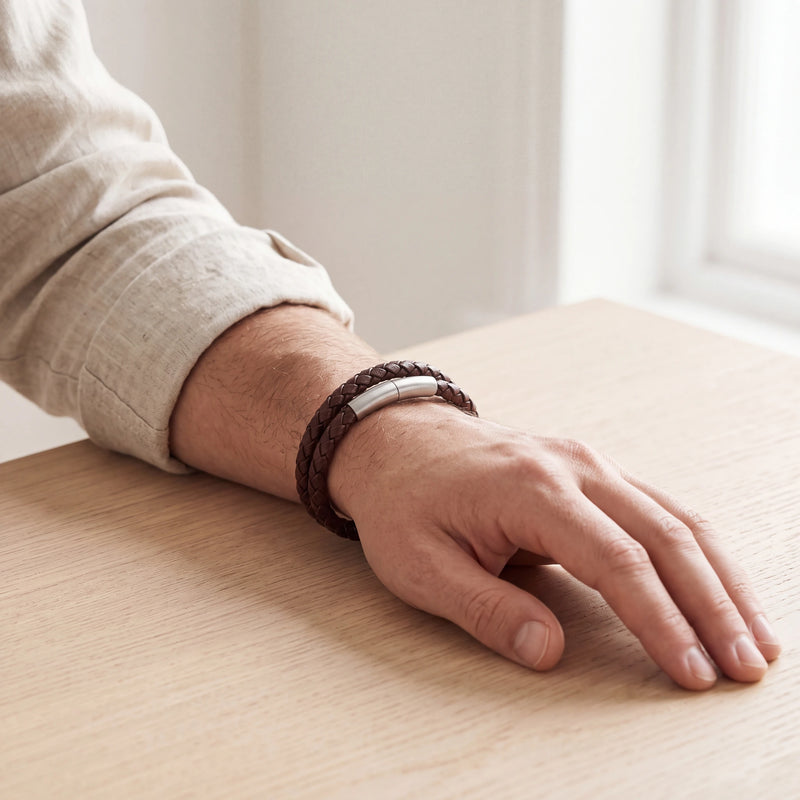
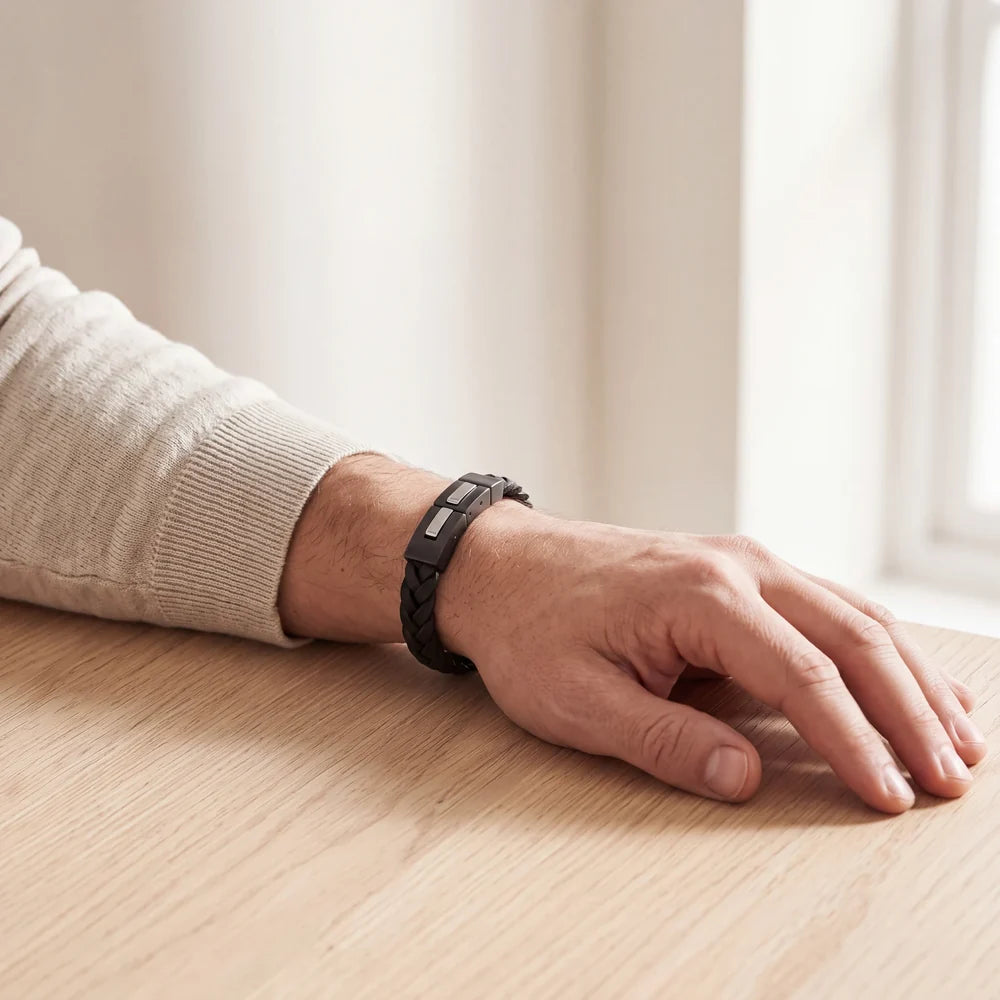
Some pieces go on the wrist. The Braided Leather Ashes Bracelet For Men in Black - Wide Braid is a wide braid of genuine cowhide leather with a brushed 316L stainless steel clasp. Inside the clasp is the ashes chamber, behind a threaded screw. There are four sizes, S to XL, with a wrist chart on its page.

Pictured: Braided Leather Ashes Bracelet For Men in Black - Wide Braid
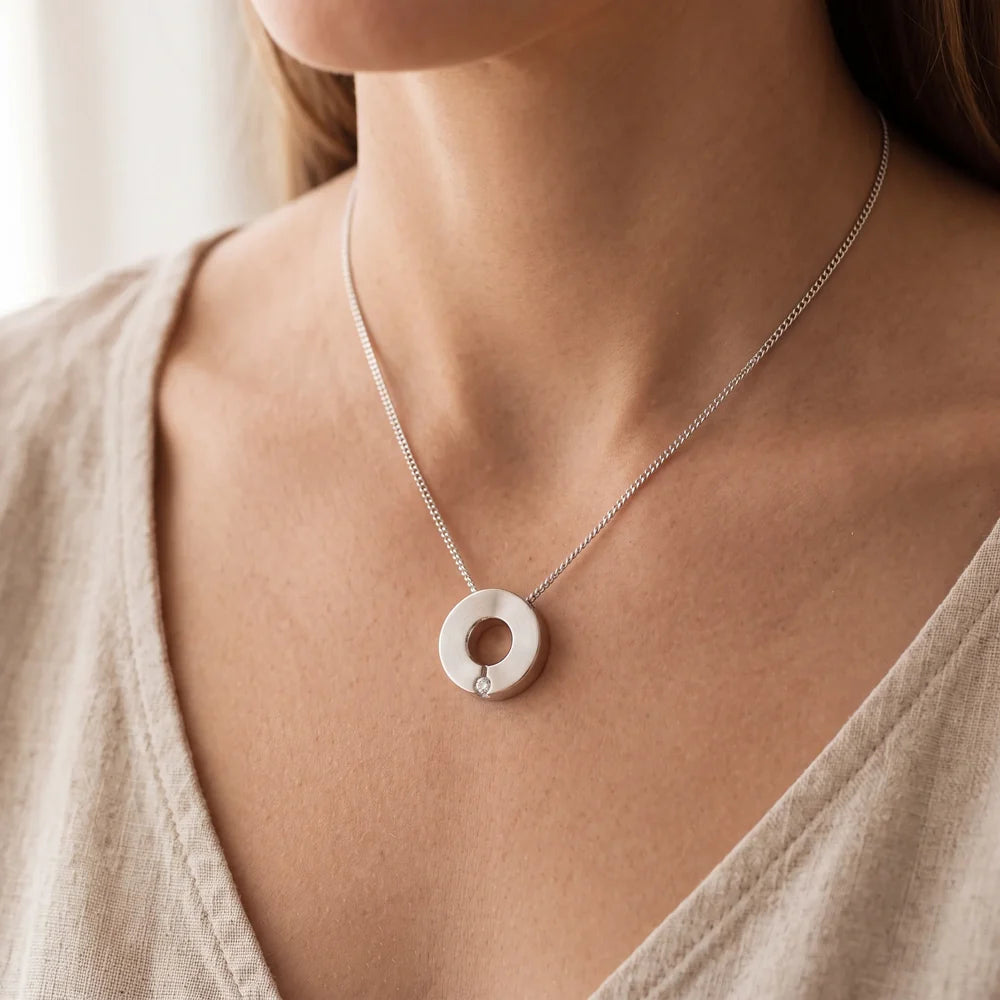
Charm beads thread onto a bracelet next to other charms. One example is the Self-fill Round Solace Memorial Ashes Charm Bead: matte 925 sterling silver, 1.4 cm high and 1.5 cm wide (about 0.55 by 0.6 in), with the chamber in the side. The bracelet is sold separately. See our ashes charms and men's ashes bracelets for the rest.
Five modern pieces side by side
- Classic Star pendant: 925 sterling silver. Symbolic amount of ashes. Screw closure at the back. Worn on the 46 cm (18 in) chain included.
- Butterfly pendant: 925 sterling silver. Symbolic amount of ashes. Chamber on the back. Worn on the 46 cm (18 in) chain included.
- Heart Locket: 925 sterling silver. Symbolic amount of ashes, a tiny photo or a lock of hair. Opens as a locket. Worn on the 46 cm (18 in) chain included.
- Black Wide Braid bracelet: leather and 316L stainless steel. Symbolic amount of ashes. Threaded screw in the clasp. Worn on the wrist, four sizes.
- Round Solace charm bead: 925 sterling silver. Symbolic amount of ashes. Chamber in the side. Worn on a charm bracelet, sold separately.
Is it respectful to wear ashes?
The history above suggests the custom is old and was once ordinary: rings with hair were paid for in wills and handed out at funerals. Whether wearing ashes is right for you is a separate question, and the answer depends on your family and your faith.
Traditions differ. The Catholic Church, for one, does not permit it. Its instruction Ad resurgendum cum Christo (Congregation for the Doctrine of the Faith, dated August 15, 2016, as published by the Holy See Press Office and read on October 12, 2026) says of ashes: "nor may they be preserved in mementos, pieces of jewellery or other objects." If faith matters in your family, ask your priest or faith leader before any ashes are divided.
Who cremation jewellery does not suit
- Anyone who wants to keep more than a pinch. Every piece here holds a symbolic amount. A keepsake from our small urns for ashes holds a larger share and stays at home.
- Anyone who wants a ring like the old mourning rings. We do not sell a self-fill ashes ring at present, and a specialist jeweler is the place to ask.
- Anyone who would worry daily about losing it. Chains break. A keepsake on a shelf may be the kinder choice.
- Families who have not yet agreed to divide the ashes. Talk first. Our guide to which memorial jewellery is best for you may help with that conversation.
Sizes and product details in this guide were checked against our product pages on October 12, 2026.
Frequently asked questions
How old is cremation jewellery?
The idea is centuries old, but the first pieces held hair, not ashes. The Victoria and Albert Museum has a hollow gold mourning ring dated 1661 with a lock of hair inside it. We could not find a reliable record that dates the first piece made to hold ashes.
What did mourning jewellery hold before ashes?
Hair. The V&A records that hair from the person who had died was worked into the design or set in a compartment at the back of a ring, and Queen Victoria's locket in the Royal Collection holds hair and a photograph of Prince Albert.
Why did Queen Victoria wear mourning jewellery?
She was mourning her husband, Prince Albert. A gold locket of hers in the Royal Collection, dated circa 1861, opens to show hair on one side and his photograph on the other.
Does ashes jewellery look like normal jewellery?
Yes. The chamber is hidden at the back of a pendant, in the side of a bead or inside a bracelet clasp, so nothing on the outside shows what the piece holds.
Is it common to wear something containing cremation ashes?
We know of no official figures that count it, so we will not put a number on it. The custom it grew from was widespread: the V&A records that people left money in their wills for mourning rings from the early seventeenth century to the end of the nineteenth.
Can cremation jewellery hold hair instead of ashes?
Some pieces can. The page for our Self-fill Heart Locket Memorial Ashes Pendant says it can hold a small amount of ashes, a tiny photo or a lock of hair.
Is ashes jewellery accepted in every religion?
No. Traditions differ, and the Catholic Church's 2016 instruction Ad resurgendum cum Christo says ashes may not be preserved in pieces of jewellery. Ask your own faith leader if you are unsure.
Ashes Jewellery
See all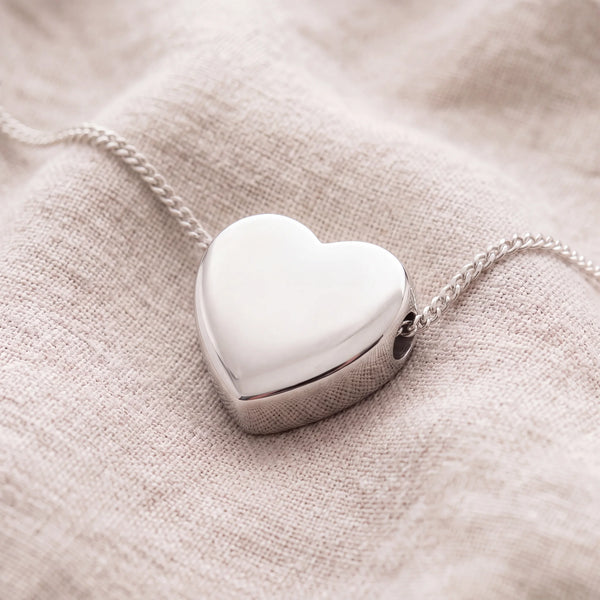 Self-fill Heart Memorial Ashes Pendant
 Self-fill Cross Memorial Ashes Pendant
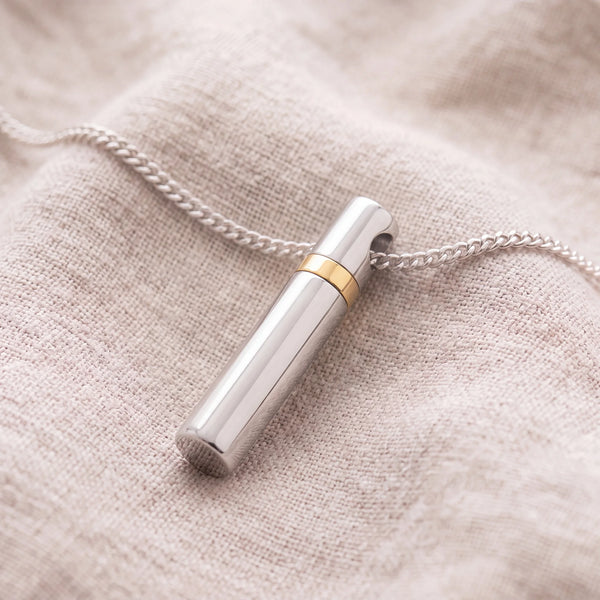 Self-fill Traditional Cylinder Memorial Ashes Pendant
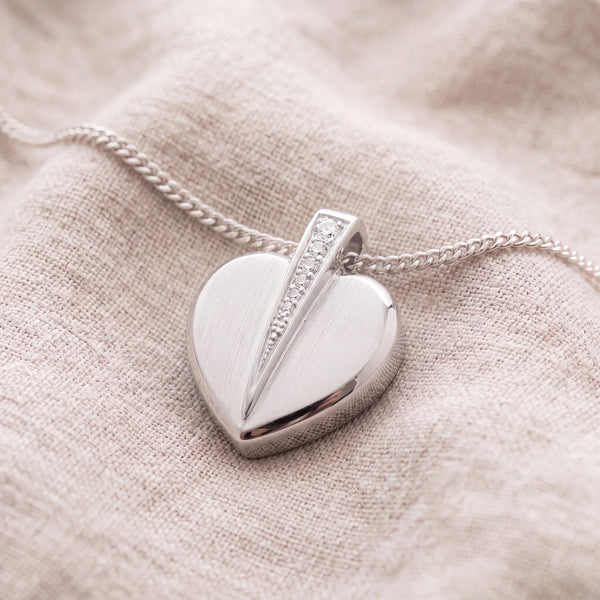 Self-fill Crystal Embraced Heart Memorial Ashes Pendant
Written by Urns For Angels
Looking for an urn?
Browse the full range, or ask us and we will help you find the right one.
Keep reading
-
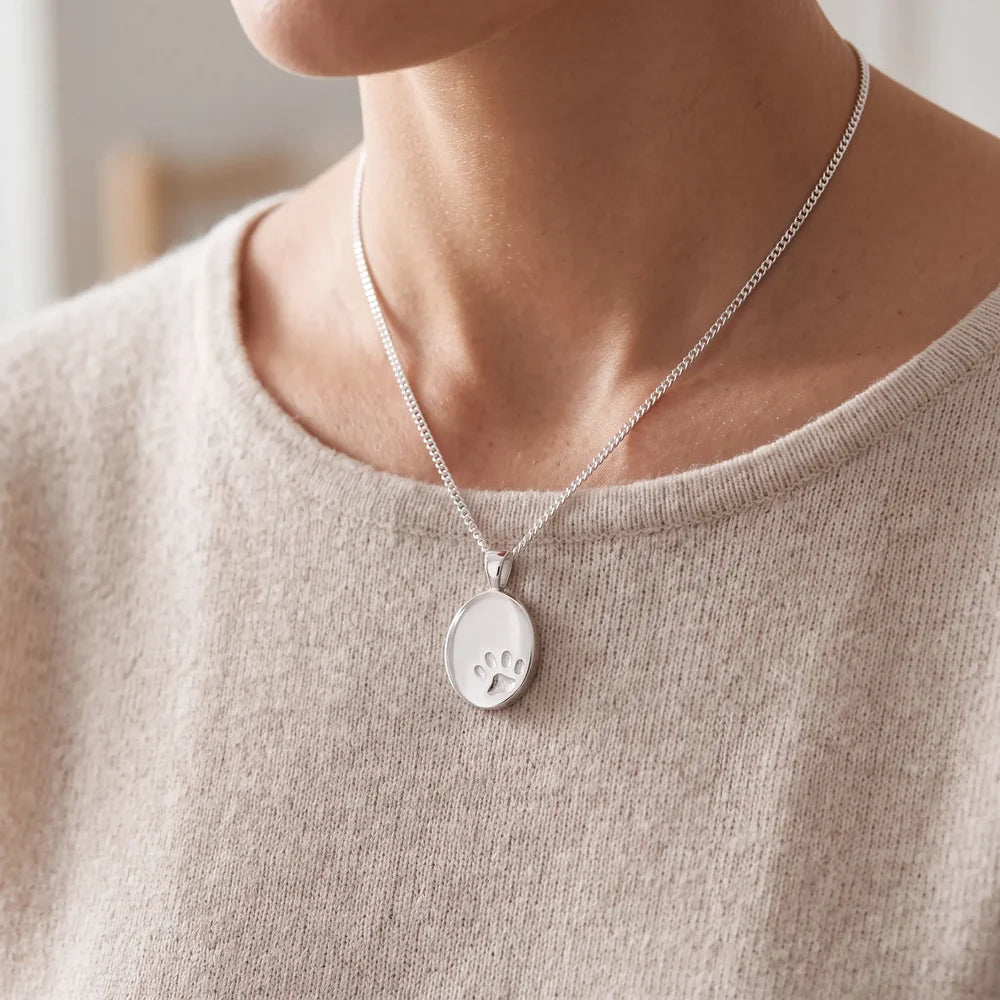
11 min read
What Is Memorial Jewellery? Types and How to Choose
-
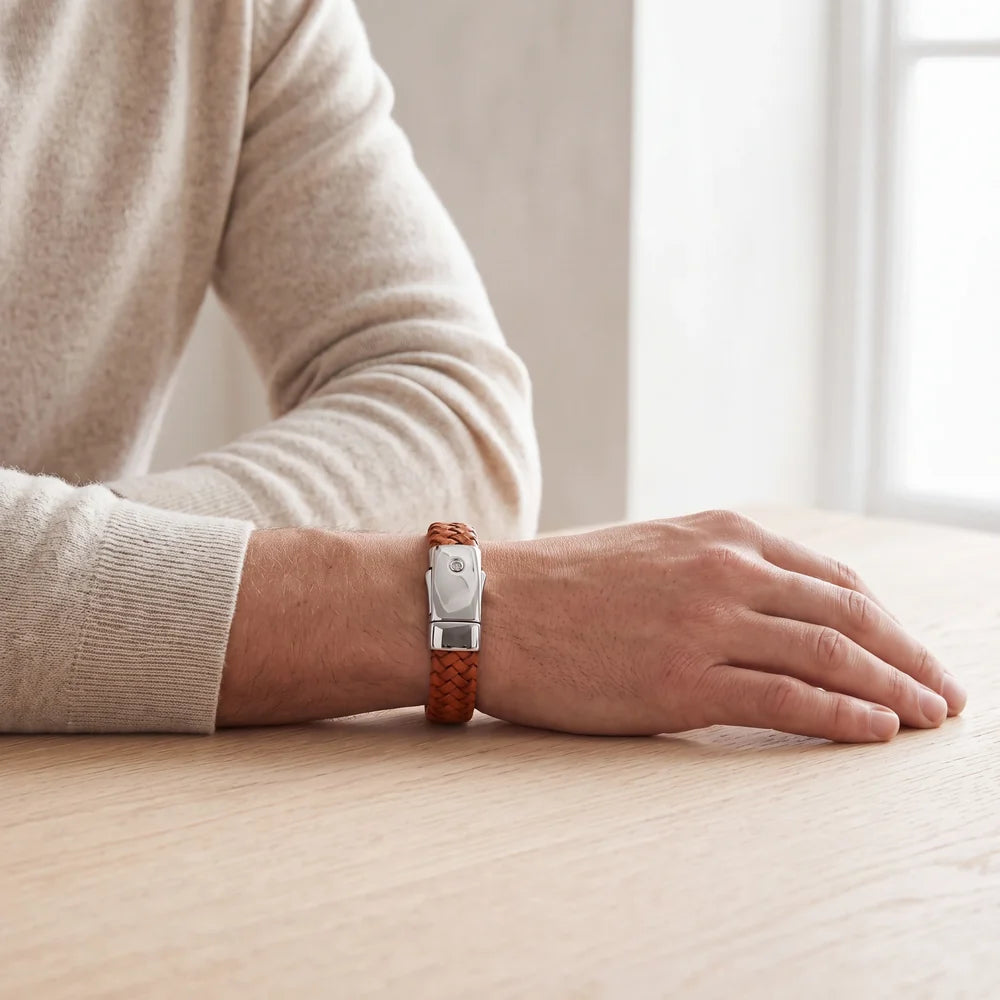
12 min read
Gemstone Meanings for Ashes Jewellery: Stones and Symbols
-
12 min read
Self-Fill Ashes Jewellery: How It Works and How to Fill It
See every guide on Memorial Jewellery, Gifts and Remembrance


Leave a comment
This site is protected by hCaptcha and the hCaptcha Privacy Policy and Terms of Service apply.