
Best Places For Water Burials
A water burial returns a loved one gently to the sea, a river or a lake, and is an increasingly popular, eco-friendly choice. This guide covers how a water burial works, the rules to follow, and some of the most beautiful places in the UK and beyond to hold one.
Quick answer: For a water burial, place the ashes in a biodegradable water urn that floats briefly then dissolves, or scatter them from a boat or the shore. In the UK it is legal and needs no permit, but follow the Environment Agency guidance: use only biodegradable materials, scatter close to the surface on a calm day, and keep away from buildings and water intakes. Beautiful UK spots include the Needles, Durdle Door, the Lake District and Loch Lomond.

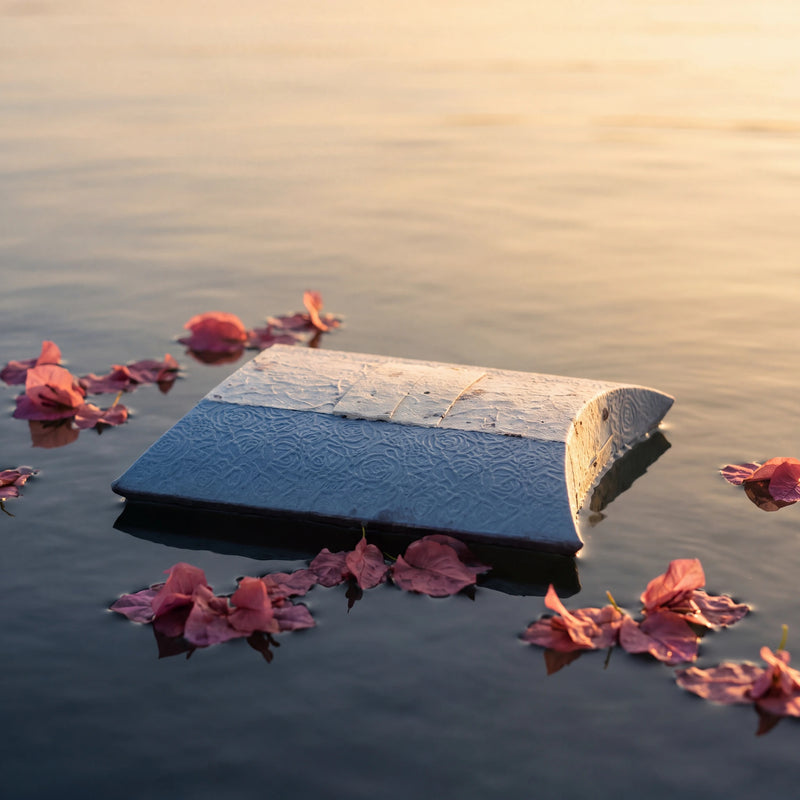
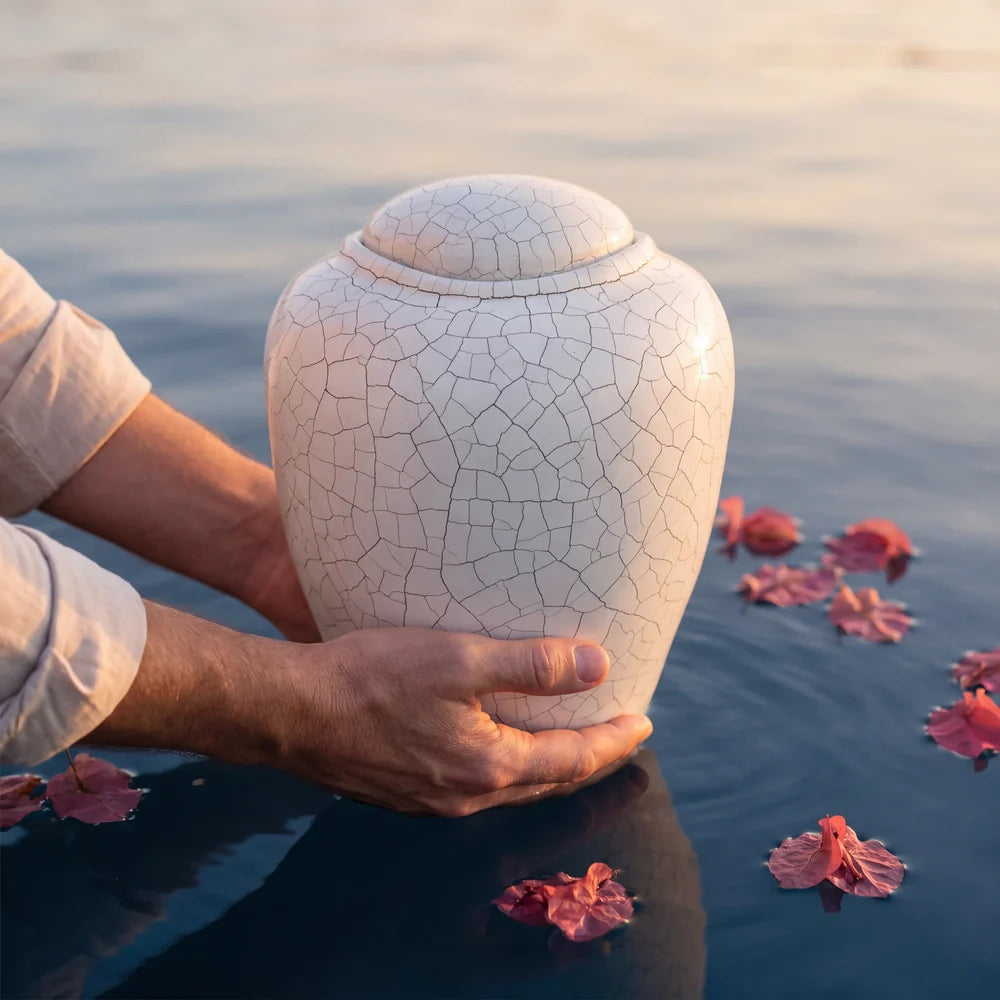
Pictured: Journey Biodegradable Water Urn for Ashes in Dogwood Lilac - Adult
Attended or unattended
A water burial can be attended, with family and friends present for a personal ceremony with music and readings, or unattended, where a company carries out your wishes on your behalf, often chosen when relatives cannot travel. Either way, use a biodegradable urn such as the Journey Water Urn, which floats briefly then dissolves and releases the ashes gently.
Scattering by boat or from the shore
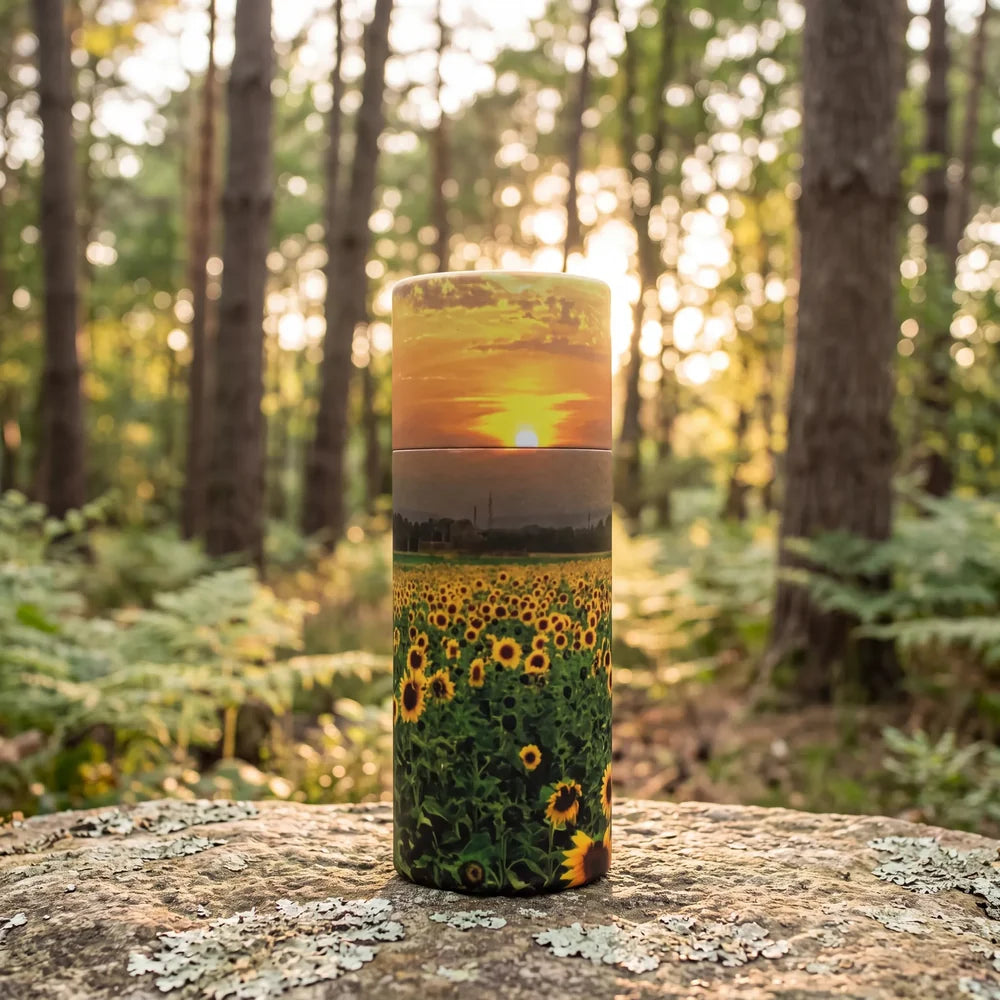
Ashes can be scattered from a boat or at the shore. A boat offers privacy, reaches further out, and makes scattering easier, though it adds cost and the chance of sea sickness. The shore costs nothing, avoids sea sickness, and lets you take as long as you like. A scattering tube makes either option cleaner.
The rules to follow
Scattering ashes at sea is legal in the UK and needs no permit, but if you are within 5 miles of the coast follow the Environment Agency guidance:
- Scatter only biodegradable items, nothing with plastic or metal that could harm wildlife.
- Keep away from buildings and places where people or animals swim.
- Scatter as close to the water's surface as possible, avoiding windy days.
For the full legal picture, see our guide on scattering ashes laws and regulations.
Why choose a water burial?
Water burials reach back centuries, to ancient Egypt and Rome and to the Vikings in the British Isles. Today families choose them for heritage or faith, or simply because a loved one had a deep connection to the sea, as a fisherman, surfer, diver, or someone who loved the beach. It can be a fitting, beautiful way to remember them.
Beautiful UK locations for a water burial
- The Needles, Isle of Wight: striking chalk stacks rising from deep blue sea.
- Porthcurno, Cornwall: an isolated cove of crystal-clear water and pale sand.
- Durdle Door, Dorset: a natural limestone arch on a shingle beach.
- Lake District and Loch Lomond: calm freshwater lakes framed by mountains.
- Pembrokeshire and Snowdonia, Wales: golden sands and serene mountain lakes.
National parks such as the Lake District, Snowdonia and the Cairngorms also offer tranquil rivers and lakes. Always check the specific location's rules before you go.
Frequently asked questions
Is a water burial legal in the UK?
Yes, and no permit is needed to scatter ashes at sea. Within 5 miles of the coast, follow the Environment Agency guidance: use only biodegradable materials, scatter close to the surface on a calm day, and keep away from buildings and water intakes.
What urn do I need for a water burial?
A biodegradable water urn, designed to float briefly then dissolve and release the ashes gently into the water. Avoid any urn or items containing plastic or metal.
Should I scatter from a boat or the shore?
A boat gives privacy and reaches further out but adds cost; the shore is free, avoids sea sickness and lets you take your time. Both are valid, so choose what suits your family.
Where are good places for a water burial in the UK?
Popular spots include the Needles on the Isle of Wight, Durdle Door in Dorset, Porthcurno in Cornwall, the Lake District, Loch Lomond, and the Pembrokeshire and Snowdonia coasts in Wales. Check each location's rules first.
Biodegradable Urns
See all Journey Biodegradable Water Urn for Ashes in Aqua Blossom - Adult
 Embrace Biodegradable Urn for Ashes in White Hemp - Adult
 Pillow Biodegradable Natural Fibre Paper Water Urn for Ashes - Adult
 Simplicity Earthurn Biodegradable Urn for Ashes in Floral - Adult
Written by Paige Lambert
Looking for an urn?
Browse the full range, or ask us and we will help you find the right one.

Leave a comment
This site is protected by hCaptcha and the hCaptcha Privacy Policy and Terms of Service apply.