
What Materials Are Used in Cremation Urns?
Quick answer: Cremation urns are most commonly made from ceramic, porcelain, wood, metal or biodegradable materials. Ceramic and porcelain suit indoor display, metal is the most durable for indoors or outdoors, wood gives a natural handcrafted look, and biodegradable urns are made to break down in soil or water for a natural burial.

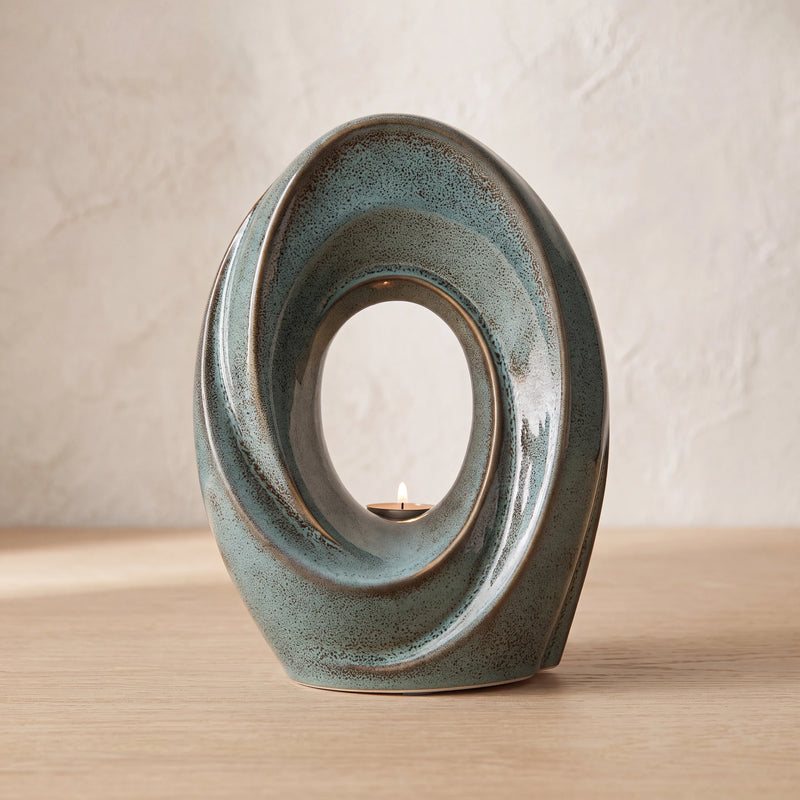
Pictured: Infinity Adult Cremation Urn for Ashes in Green
Ceramic
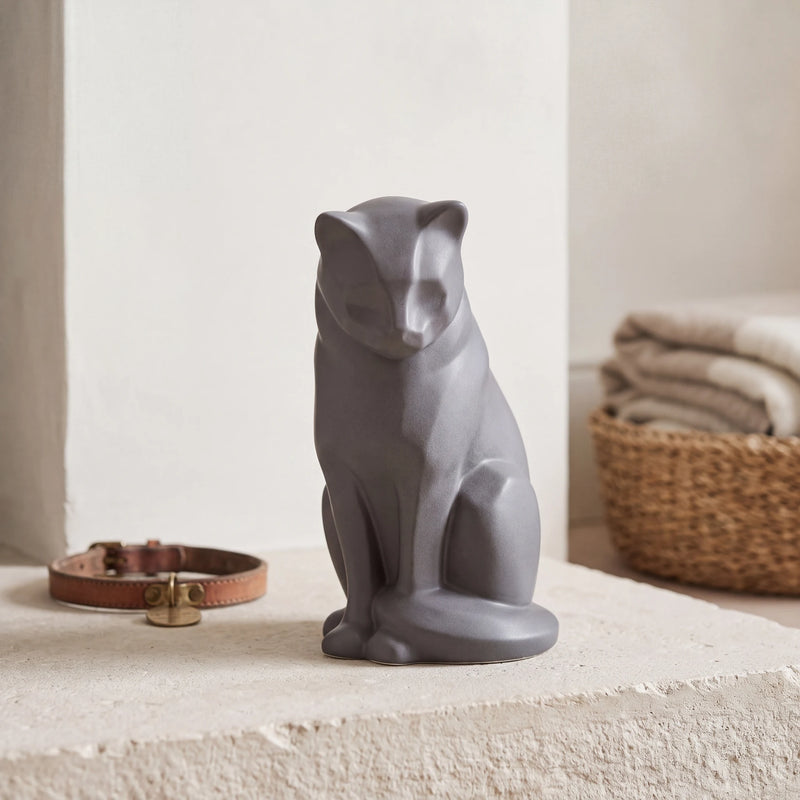
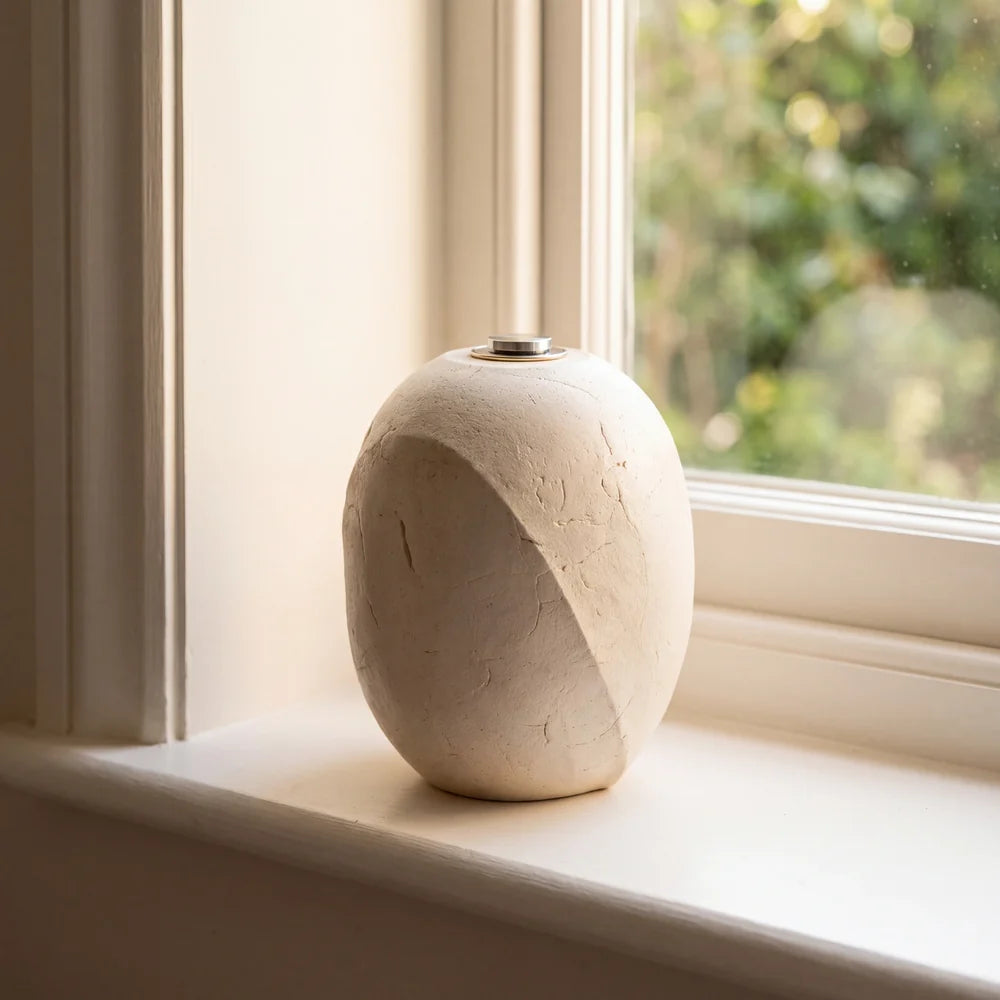
Our ceramic urns pair classic, almost antique shapes with modern design, so they sit comfortably in a home. We make standard ceramics as well as more intricate raku and saggar pieces that take multiple firings to create their unique finish. Fired at high temperature, ceramic stands up well to the weather and can sit outdoors, as long as any glued parts are kept away from moisture.
Porcelain
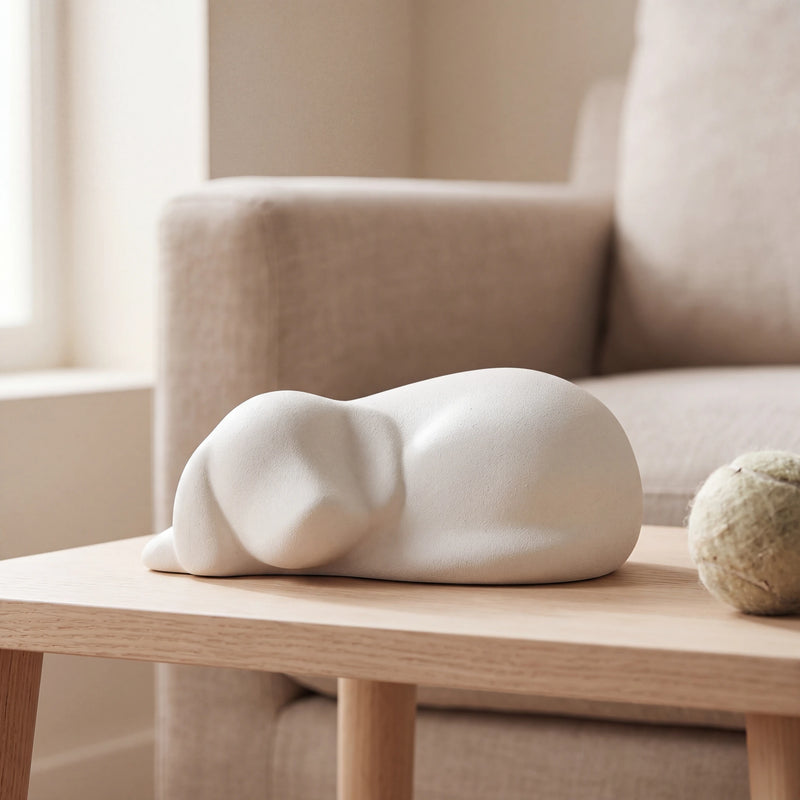
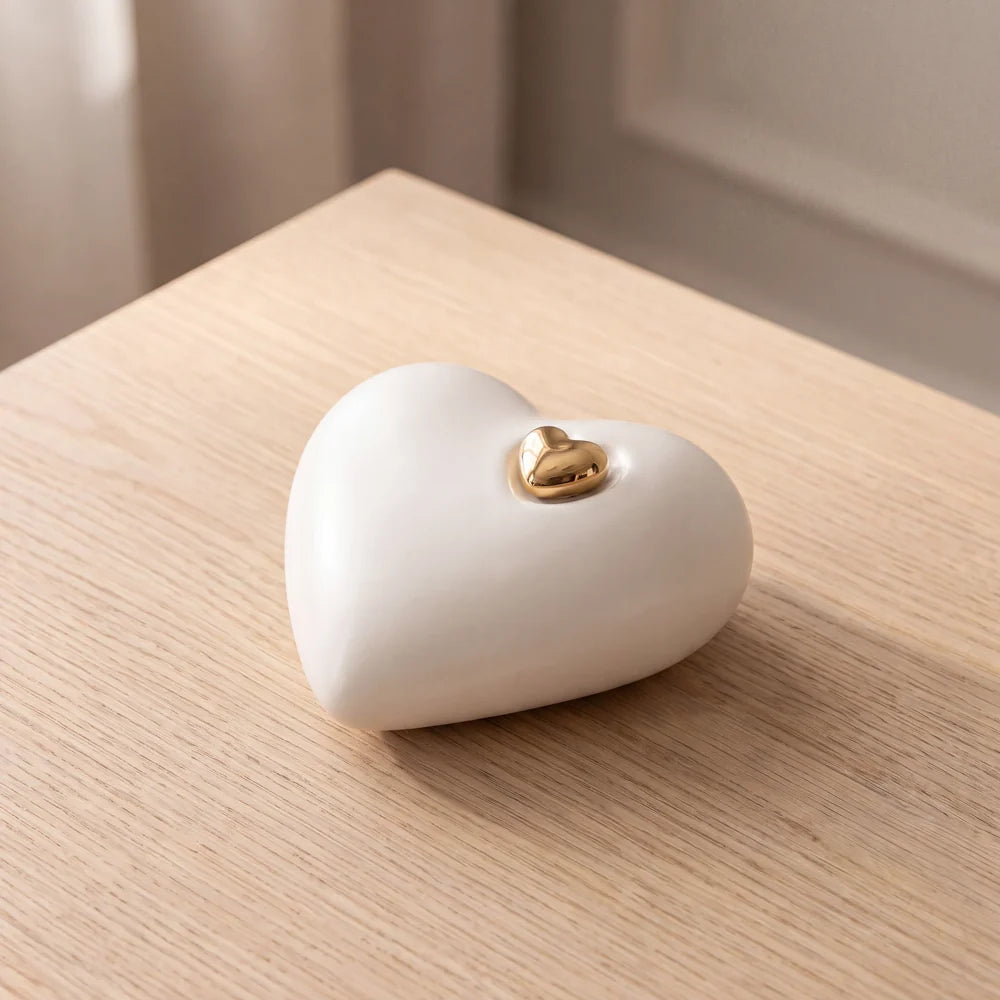
Our porcelain urns are crafted by renowned artisans we have worked with for years. Porcelain is a noble material with a clean, pure finish, which makes these pieces feel calm and considered in a home.
Wood
Our wood urns include both permanent designs and ones that biodegrade over a few years if buried. Lime is accessible and versatile, while oak, mahogany and walnut are premium woods with a richer look and a higher price. The range includes designer wooden urns, hand-selected and painted by Italian artisans for a standout finish.
Metal
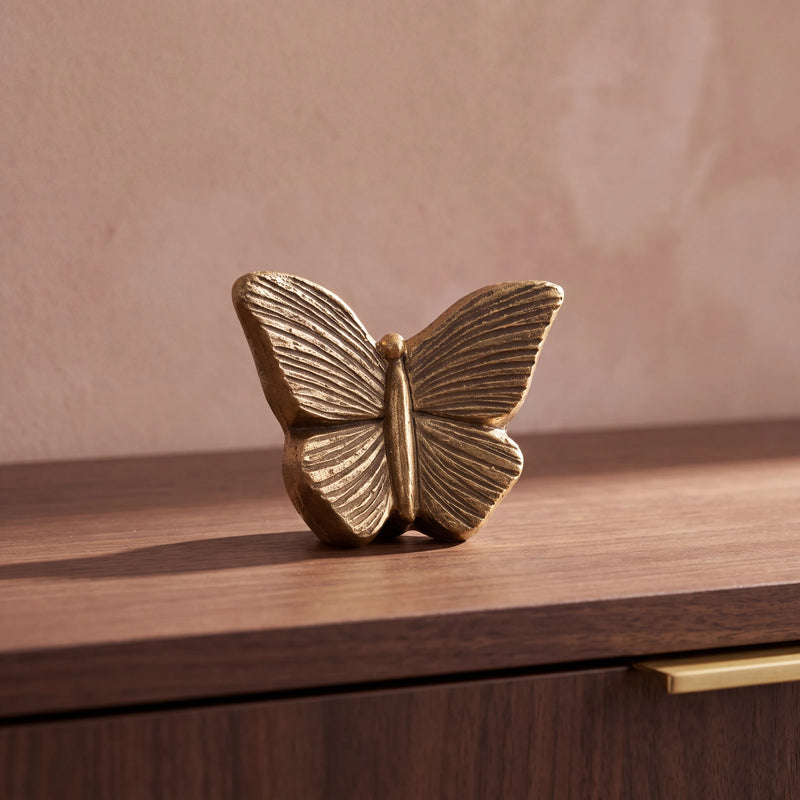
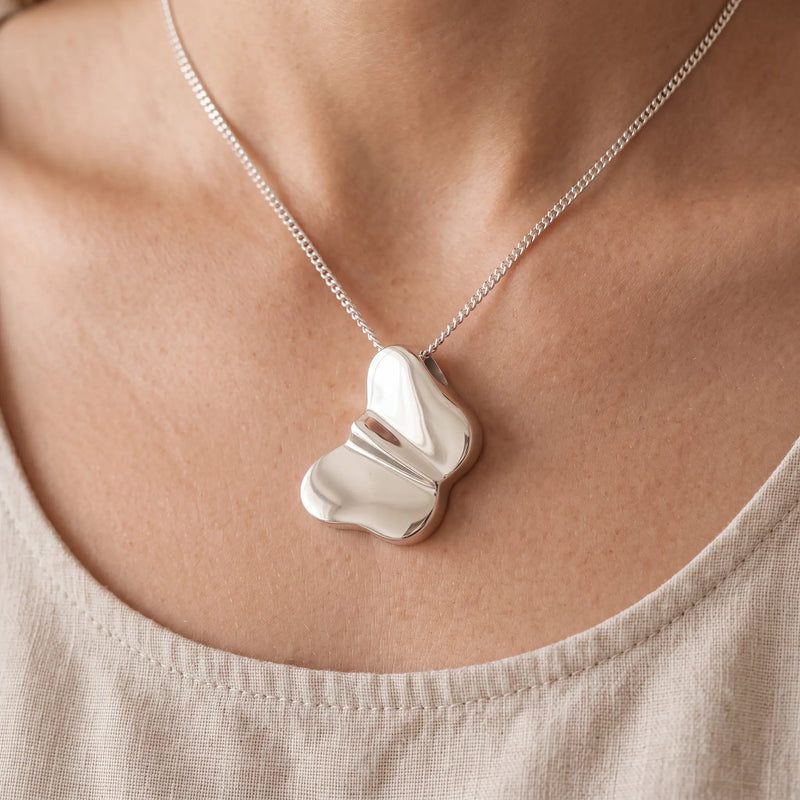
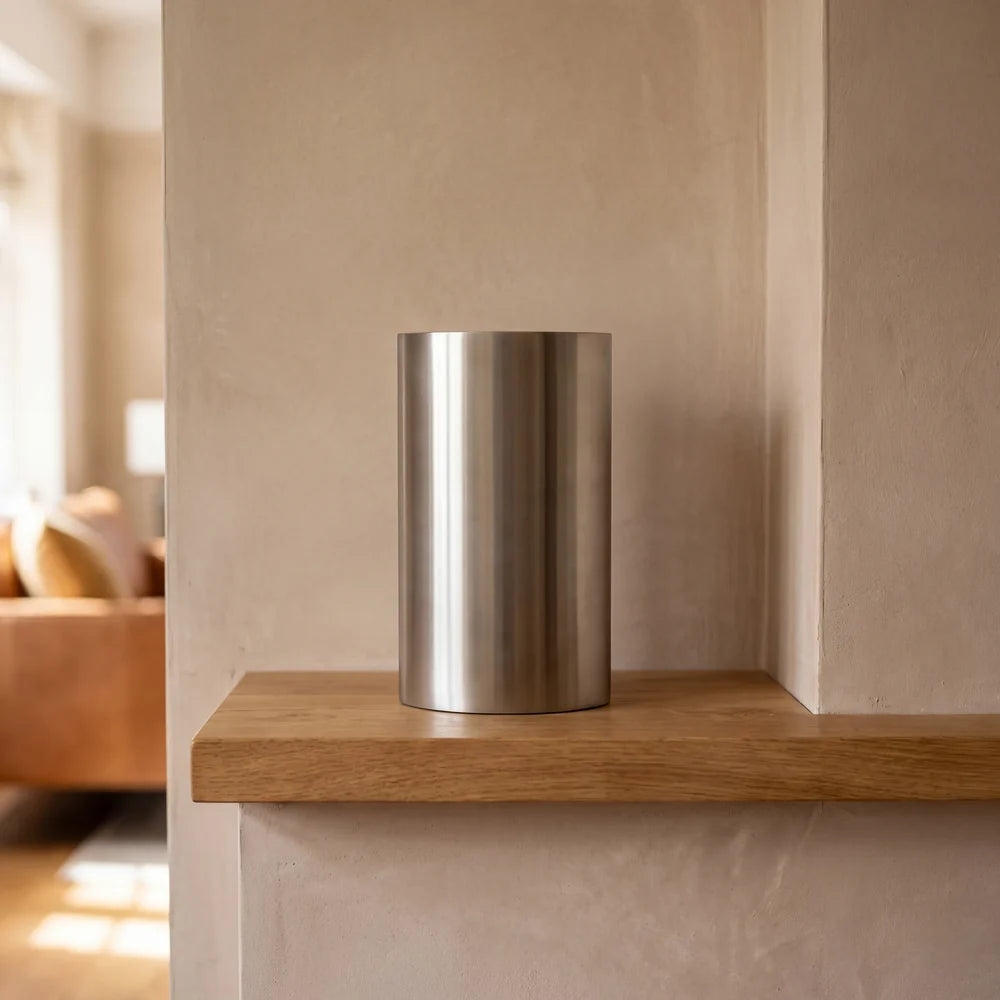
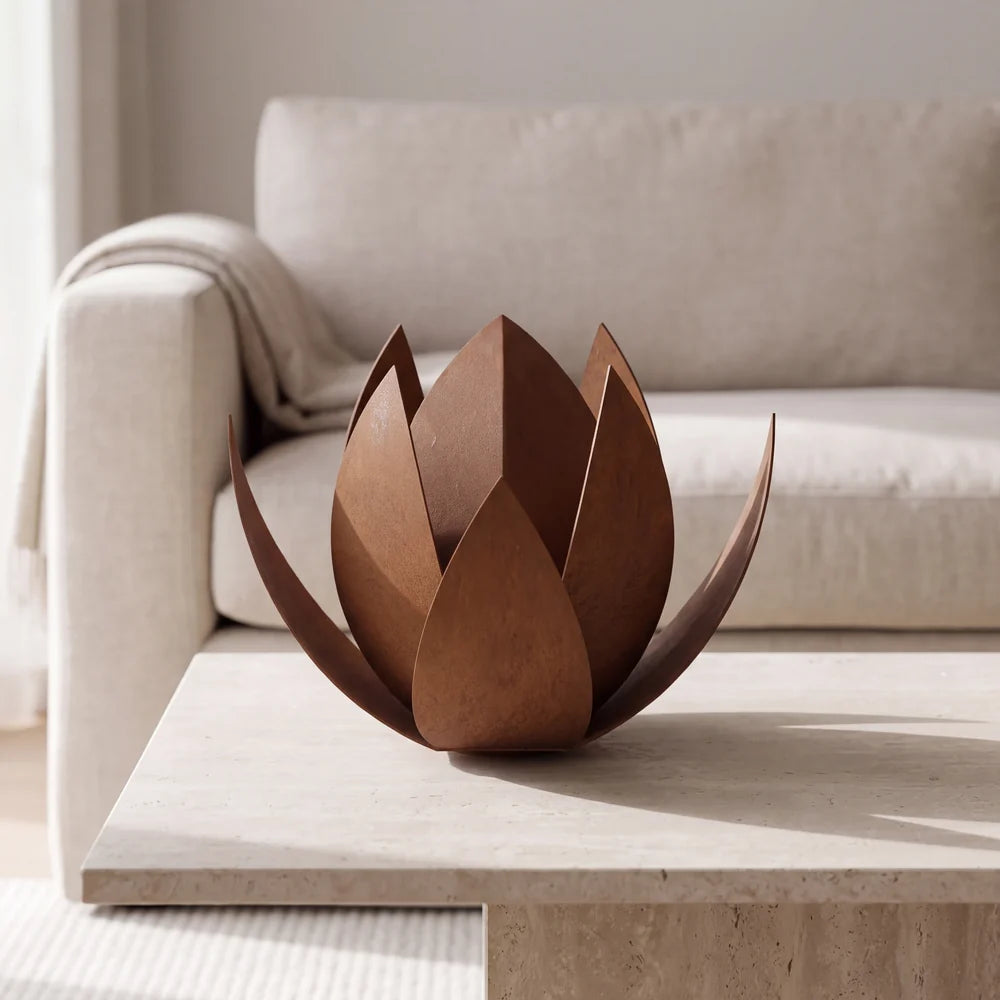
Our metal urns are made from high-quality metals and built to last. Metal is durable, strong and easy to clean, so it keeps its look for years, indoors or outdoors.
Biodegradable urns for land and water burial
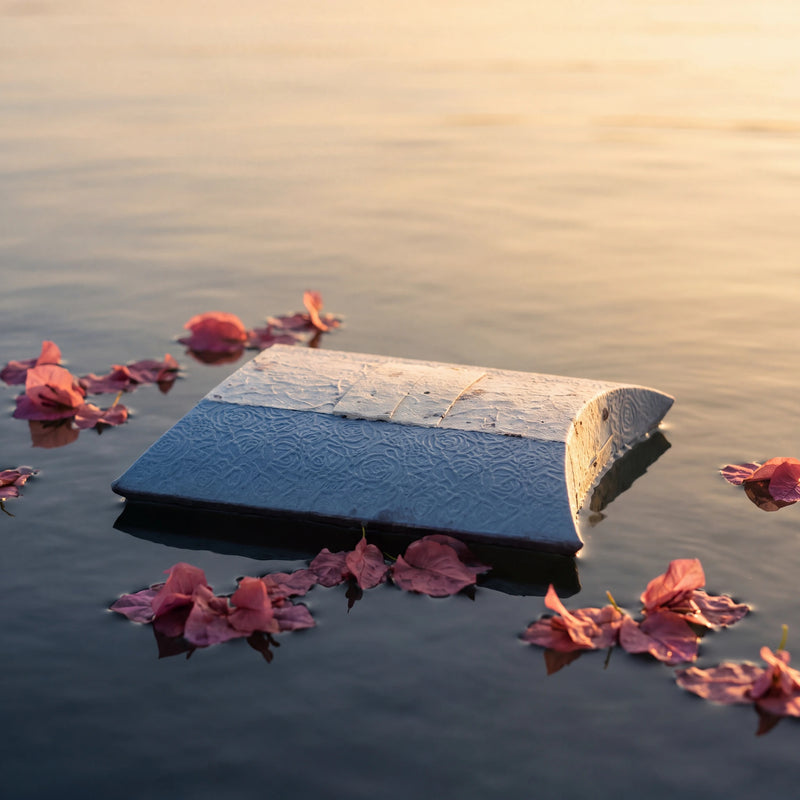
Our biodegradable land urns are made to be buried and break down naturally in the soil, and some let you plant a tree with the ashes so it grows into a living memorial. Our water burial urns are lowered into water and disperse slowly back into the environment.
Frequently asked questions
What is the best material for a cremation urn?
There is no single best material. Ceramic and porcelain suit indoor display, metal is the most durable for indoors or outdoors, wood gives a natural handcrafted look, and biodegradable urns are made for a natural land or water burial.
Which urn material is the most durable?
Metal is the most durable. It is strong, easy to clean and keeps its finish for years, which is why metal urns suit both indoor and outdoor settings.
Can ceramic urns be kept outside?
Yes. Ceramic is fired at a high temperature and resists the weather, so it can sit outdoors. Keep any glued seams away from standing moisture, or choose an urn filled and sealed from the base.
What material is best for a natural or green burial?
Biodegradable urns are made for natural burial. Land urns break down in the soil, water burial urns disperse in a body of water, and some living urns let you grow a memorial tree from the ashes.
Ceramic Urns
See all Infinity Adult Cremation Urn for Ashes in Crackle Glaze
 The Passage Adult Cremation Urn for Ashes in Crackle Glaze
 Harmony Adult Cremation Urn for Ashes in Amber Yellow
 Serenity Adult Cremation Urn for Ashes in Crackle Glaze
Written by Siena Gooderham
Looking for an urn?
Browse the full range, or ask us and we will help you find the right one.
Keep reading
-
2 min read
Where to Place a Cremation Urn
-
2 min read
How much are Urns for Ashes?
-
10 min read
What Are Saggar Cremation Urns? How They Are Made and Who They Suit

Leave a comment
This site is protected by hCaptcha and the hCaptcha Privacy Policy and Terms of Service apply.