
Different Types of Wooden Urns for Ashes
A wooden urn brings natural warmth to a memorial that few other materials match. Wood is timeless, tactile and full of character, and the type of wood changes the look, weight and feel of the urn. This guide explains the woods used in cremation urns, why families choose them, and the wooden designs we currently make.
Quick answer: Wooden cremation urns are valued for their natural warmth, durability and the way they suit any home. Hardwoods like oak, walnut, ash, maple and mahogany are dense and long-lasting, while softer woods like spruce, pine and lime carve beautifully into detailed shapes. Bamboo, technically a grass, is exceptionally strong, lightweight and biodegradable. Our current wooden designs include eco-friendly wooden urns and the solid bamboo Tribute Urn.

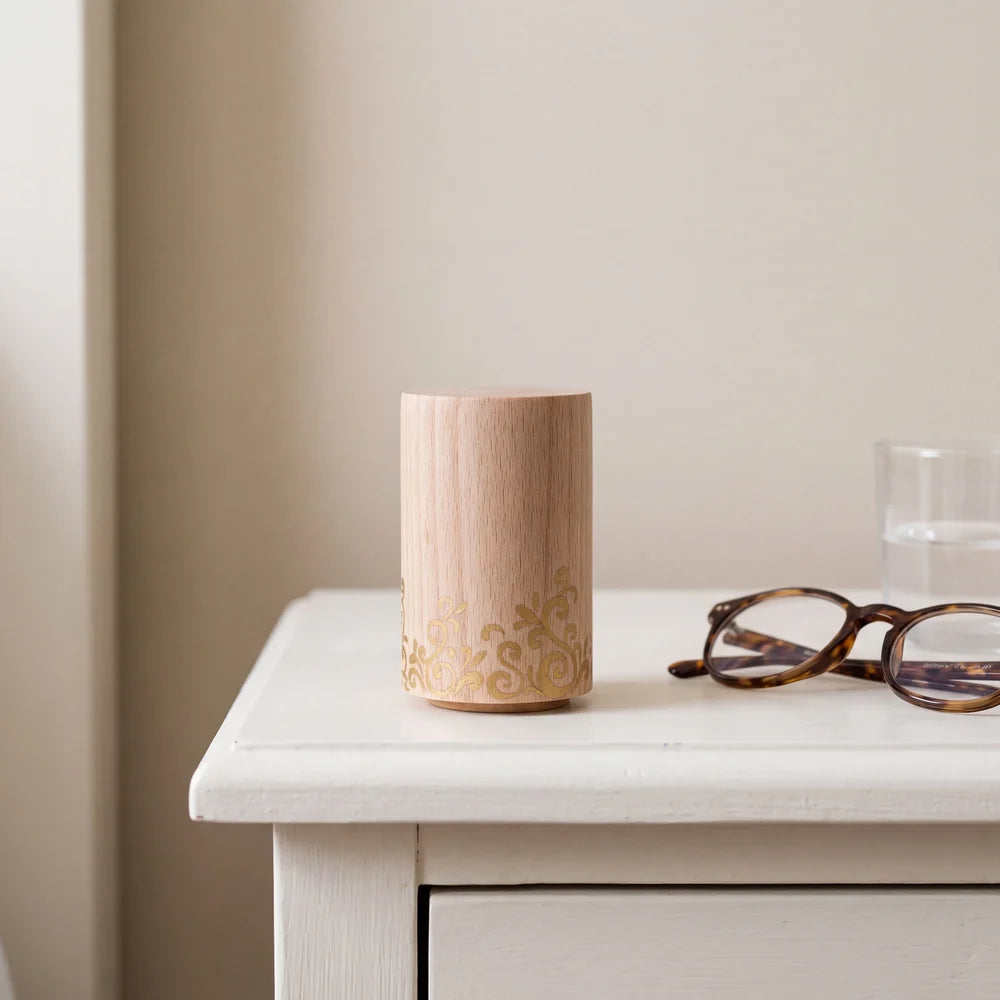
Pictured: Eco-friendly Vertical Wooden Adult Urn for Ashes
Why choose a wooden urn?
Wood has a natural warmth and grain that makes every piece a little different. A hardwood urn is durable and long-lasting, a keepsake to pass down, while a biodegradable wooden urn can return a loved one gently to the earth or water. Wooden urns also blend easily with almost any decor, sitting naturally on a mantelpiece or shelf.
Our wooden cremation urns
The Eco-friendly Vertical Wooden Urn and its horizontal companion are clean, contemporary designs in sustainable wood, suited to a modern home and gentle on the environment.
The Tribute Bamboo Urn is made from solid bamboo, with the calm, clean look of a wooden keepsake box. Because bamboo is biodegradable, it works as a lasting home display or for a natural burial.

Pictured: Tribute Bamboo Adult Urn for Ashes
The Crystal Urn with an Oak Lid pairs a warm oak top with a crystalline-glazed body, blending wood with art ceramic. You can see more in our adult cremation urns collection.
Types of wood used in urns
Different woods bring different qualities. Here is what to know about the most common.
- Oak: a strong, dense European and North American hardwood with a beautiful natural shine and color that varies branch to branch. Long-lasting and premium.
- Walnut: a heavy, durable specialist hardwood, dense and rich in color, prized and more expensive due to its rarity.
- Ash: strong and durable, widely used for furniture and frames, making it a reliable, attractive choice for urns.
- Maple: a fine-textured, strong hardwood with a light reddish tone, durable and moderately priced.
- Mahogany: a refined hardwood with deep color and a distinguished shine when polished, highly durable and sought after.
- Beech: common and high in strength, flexible enough for artistic shapes, and more affordable than rarer hardwoods.
- Lime: soft yet dense with a fine, even grain that rarely warps, prized for detailed carving.
- Cherry: resistant to rot, with a rich color that ages well, smooth-grained and popular with woodworkers.
- Spruce and pine: light, readily available softwoods with a clean finish, an affordable and efficient choice.
- Bamboo: technically a grass but exceptionally strong, with woven strands up to three times denser than many hardwoods. Lightweight, biodegradable and eco-friendly.
If returning a loved one to nature appeals to you, see our biodegradable urns, and for ideas on displaying a wooden urn, our guide on where to place a cremation urn.
Frequently asked questions
What wood are cremation urns made from?
A wide range, from dense hardwoods like oak, walnut, ash, maple and mahogany to softer woods like spruce, pine and lime, plus bamboo, which is technically a grass. Each has its own color, weight and grain.
Are wooden urns biodegradable?
Some are. Bamboo and certain natural wooden urns are biodegradable and suitable for burial, while solid hardwood display urns are made to last for years as a keepsake. Each product page states whether an urn is intended for display or for a natural burial.
Which wood is best for a cremation urn?
It depends on what matters to you. Hardwoods like oak and walnut are the most durable and premium for a lasting display, softer woods carve into more detailed shapes, and bamboo is the strong, lightweight, eco-friendly option.
Can a wooden urn be kept outdoors?
Wooden urns are generally best kept indoors to protect the wood, though some are suited to a sheltered outdoor spot or designed for burial. Check the product page for where each urn can be placed.
Adult Urns for Ashes
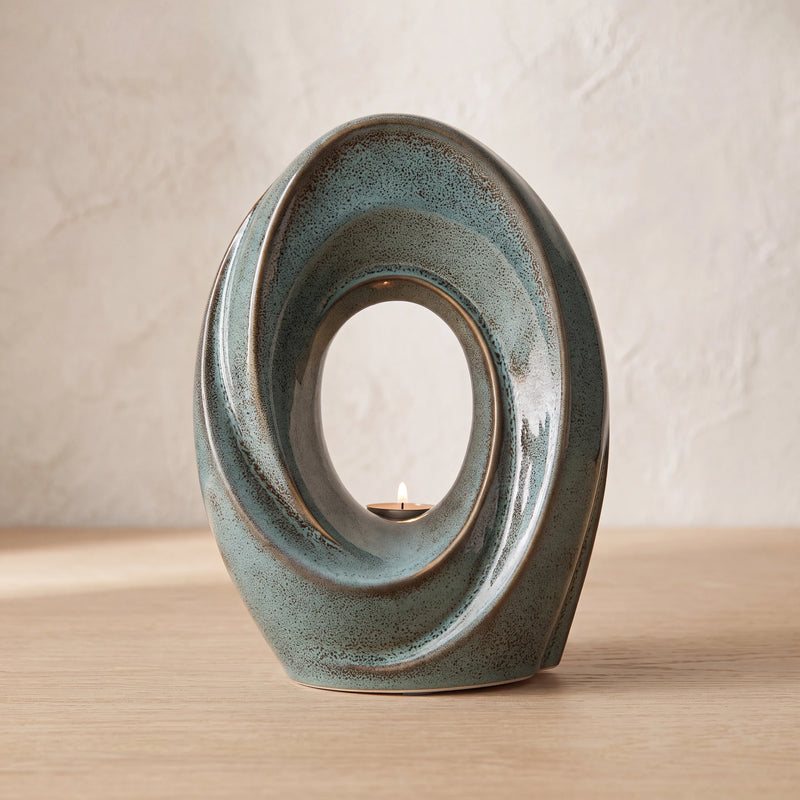
See all The Passage Adult Cremation Urn for Ashes in Oily Green
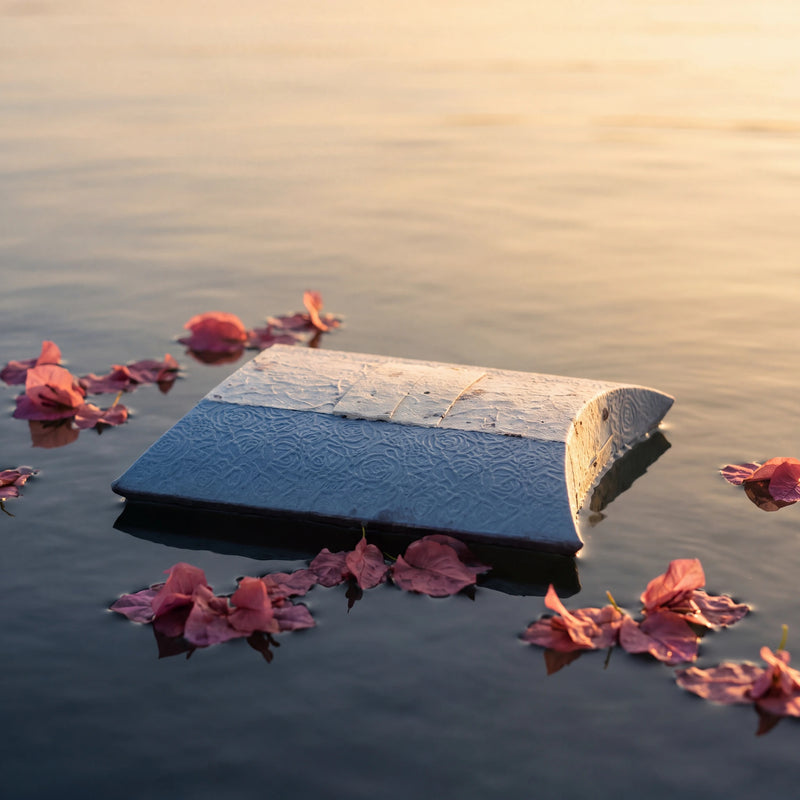
 Ocean Modern Adult Cremation Urn for Ashes
 Infinity Adult Cremation Urn for Ashes in Cream
 Sandy White Modern Adult Cremation Urn for Ashes
Written by Josh Hibbert
Looking for an urn?
Browse the full range, or ask us and we will help you find the right one.
Keep reading
-
2 min read
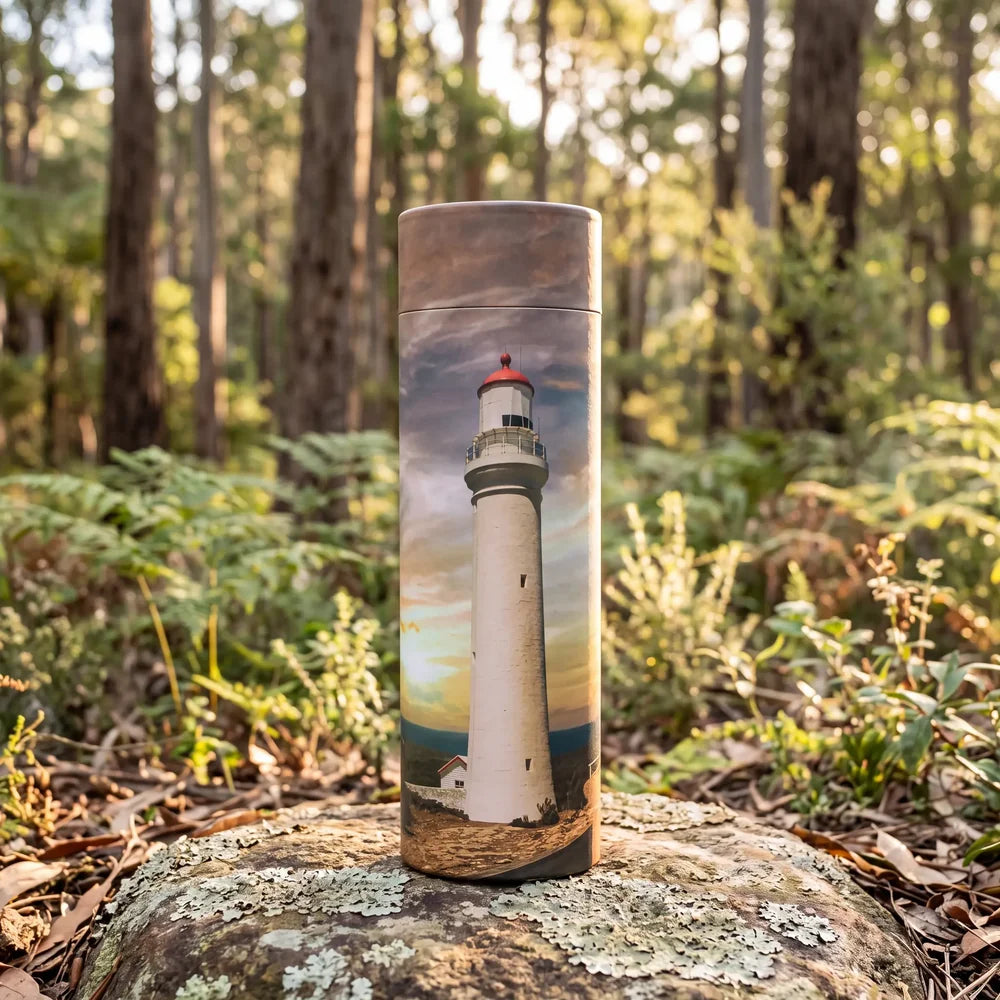
What type of Scattering Tubes are there?
-
3 min read
Is there energy in cremation ashes
-
10 min read
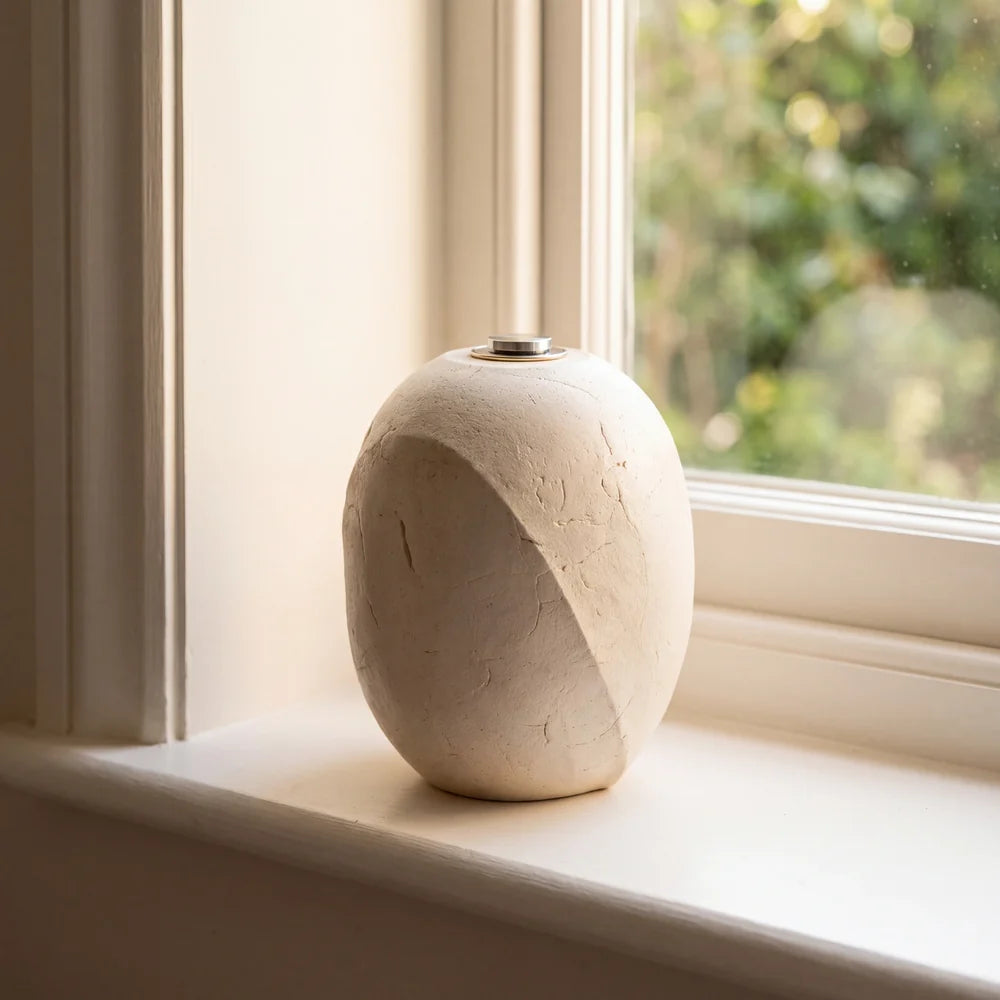
What Are Saggar Cremation Urns? How They Are Made and Who They Suit

Leave a comment
This site is protected by hCaptcha and the hCaptcha Privacy Policy and Terms of Service apply.