

8 Most Common Cremation Myths - Are They True?
If you are considering cremation, you may have come across worrying claims that made you question your decision. Many are simply myths. This guide takes the eight most common cremation myths and sets the record straight.
Quick answer: Most cremation fears are unfounded. Strict ID procedures mean you receive only your loved one's ashes; you can buy an urn anywhere, not just from the funeral home; you can still hold a traditional funeral or burial; and cremation does not involve simply setting a body alight. It is greener than embalming and burial, though not entirely emission-free, and a growing number of religions now accept it.

1. "You might receive someone else's ashes"
No. Crematoriums follow strict identification procedures. A loved one is given ID tags with their name and date of birth, plus a stainless steel ID disk whose number is recorded on the paperwork and survives the high temperatures. Many crematoriums will even let you witness the start of the cremation. Mix-ups are guarded against at every stage.
2. "Cremation has no environmental impact"
Partly true, partly not. Cremation avoids the formaldehyde used in embalming, which can leach into soil, so it is generally greener than embalming and burial. However, it does still produce some emissions. For the greenest option, water cremation and biodegradable burial have a lower impact.
3. "Scattering ashes is illegal"
No. In the UK it is legal to scatter ashes in many public places, and on private land with the owner's permission. Depending on the spot you may need to ask a landowner, the council or a church, and you should follow the Environment Agency guidance. See our guide on scattering laws and regulations.
4. "You must buy the urn from the funeral home"
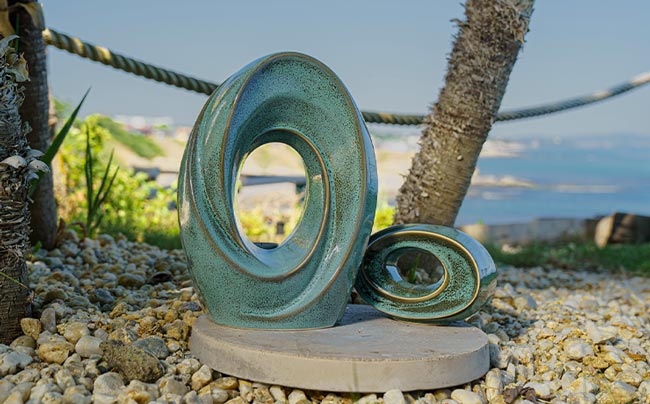
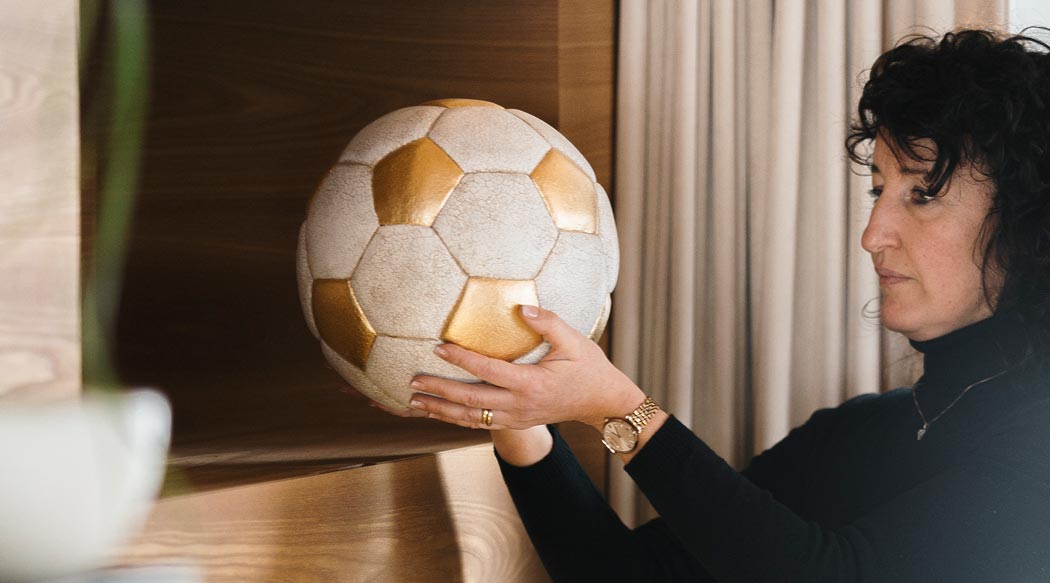
No. You can buy a cremation urn from anywhere, and many families prefer to, choosing something more personal or meaningful than the funeral home's range, often at a better price.
5. "You can't have a traditional funeral if you choose cremation"
You can. You can hold a full funeral service before or after the cremation, and even bury the ashes in a biodegradable urn in a smaller plot. Some families hold the service with the ashes present; others hold it before, then bury or scatter afterwards.
6. "Most religions forbid cremation"
Attitudes are softening. Buddhism actively encourages cremation. Christianity, long cautious, now widely accepts it, including the Catholic Church. Reform Judaism is increasingly open to it, though Orthodox Judaism is not, and Islam opposes it. Beliefs vary, so it is worth checking within your own faith.
7. "Cremation just means setting the body on fire"
Not quite. Intense heat raises the chamber to a very high temperature that reduces the body to gases and bone fragments. Those fragments are then processed in a machine into fine ash. The whole process takes around 2 to 3 hours. See our guide on the cremation process.
8. "Cremated remains are the same as ashes"
Almost. Cremated remains are the bone fragments left after cremation; "ashes" are those remains once they have been processed into a fine, sand-like powder ready for an urn. The terms are used interchangeably, but technically there is a final processing step.
Frequently asked questions
Could I receive the wrong ashes after cremation?
No. Strict ID procedures, including name tags and a numbered steel disk recorded on the paperwork, ensure you receive only your loved one's ashes. Many crematoriums also allow you to witness the cremation.
Is it legal to scatter ashes?
Yes, in many UK public places, and on private land with permission. Follow the Environment Agency guidance and check whether the council, a landowner or a church needs to approve your chosen spot.
Do I have to buy an urn from the funeral home?
No. You can buy an urn from anywhere, and many families choose a more personal or affordable design elsewhere.
Can I have a traditional funeral with a cremation?
Yes. You can hold a full funeral before or after the cremation, and even bury the ashes in a biodegradable urn. Cremation does not rule out a service or a burial.


Leave a comment
This site is protected by hCaptcha and the hCaptcha Privacy Policy and Terms of Service apply.