
Burying Ashes in Your Garden: What to Know First
Enter the code at checkout.
Beautiful piece. Happy to put my mother in it.
Urns for Angels were fantastic at providing an alternative,(arriving the next day) storage solution for my husbands ashes when the original urn I had ordered from a different company arrived broken.
Paul could not have been more helpful.
Biodegradable Burial Urns
- ★ 5.0
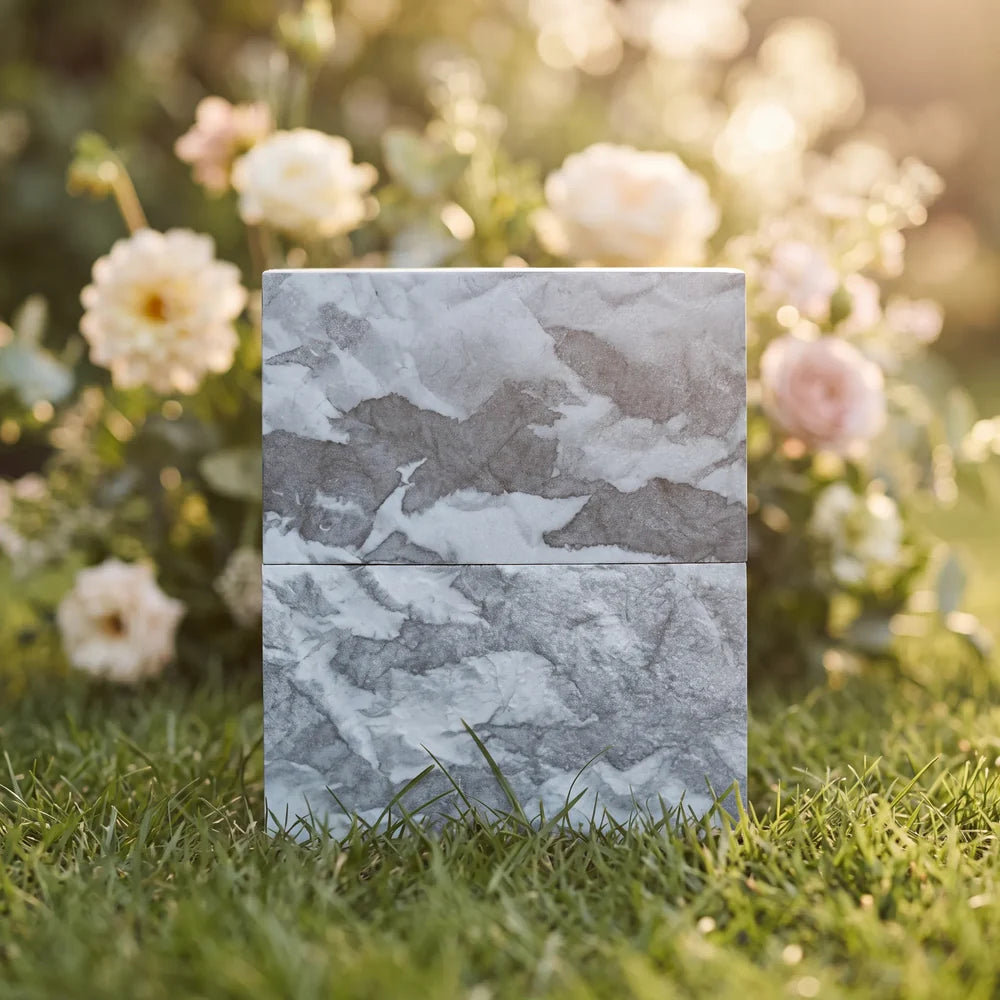
 Embrace Biodegradable Urn for Ashes in White Hemp - Adult
$152.00
- ★ 5.0
 Simplicity Earthurn Biodegradable Urn for Ashes in Floral - Adult
$140.00
 Loop EarthRise™ Biodegradable Urn for Ashes - Adult
$402.00
- ★ 5.0
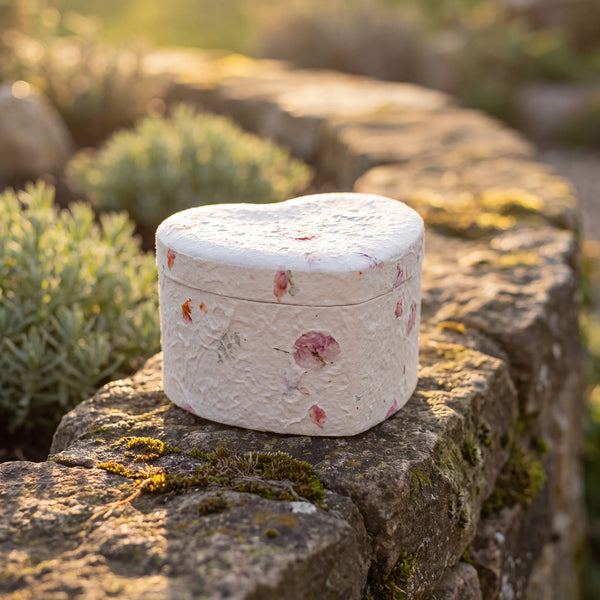 Love Heart Biodegradable Urn for Ashes in Floral - Adult
$140.00
- ★ 5.0
 Eco-friendly Vertical Wooden Adult Urn for Ashes
$272.00
- ★ 5.0
 Purity Earthurn Biodegradable Urn for Ashes in White - Adult
$140.00
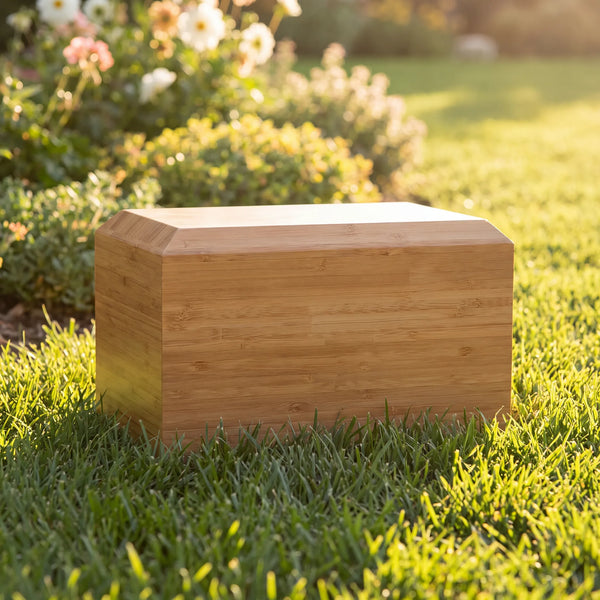 Tribute Bamboo Adult Urn for Ashes
$249.00
 Bali Woven Tribute Adult Urn for Ashes
$288.00
 Mycelium Biodegradable Urn for Ashes – Adult
$300.00
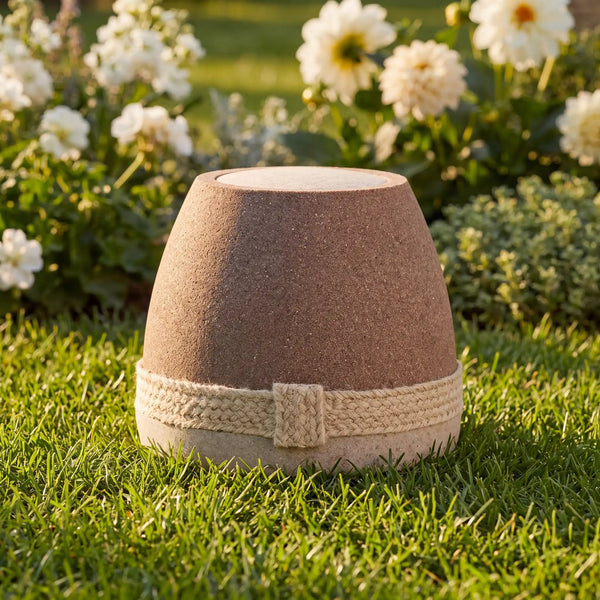 Dome Samsara Biodegradable Urn for Ashes – Medium
$244.00


Small Urns for Ashes
- ★ 5.0
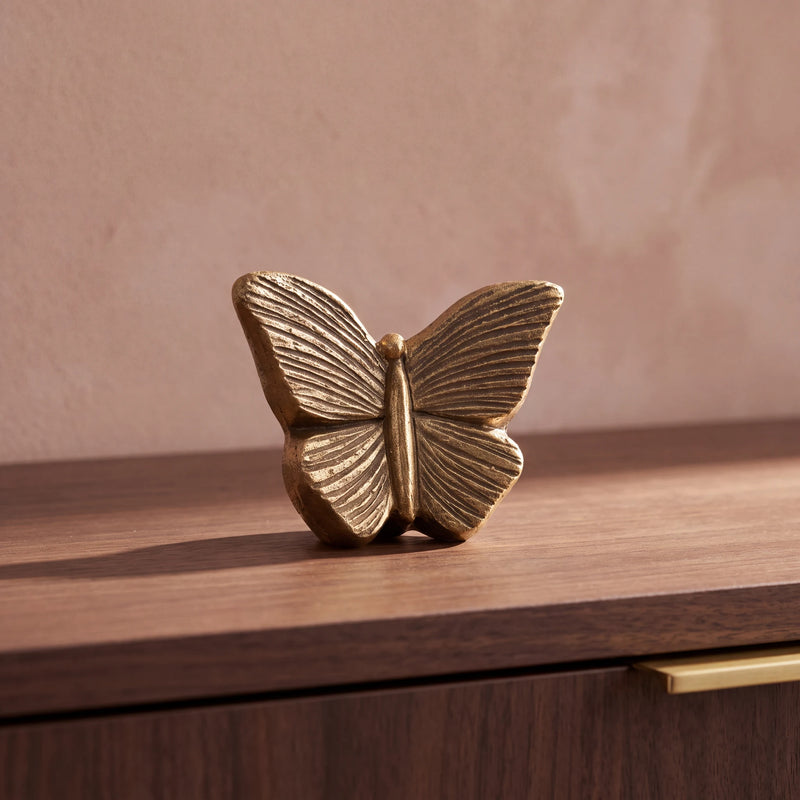
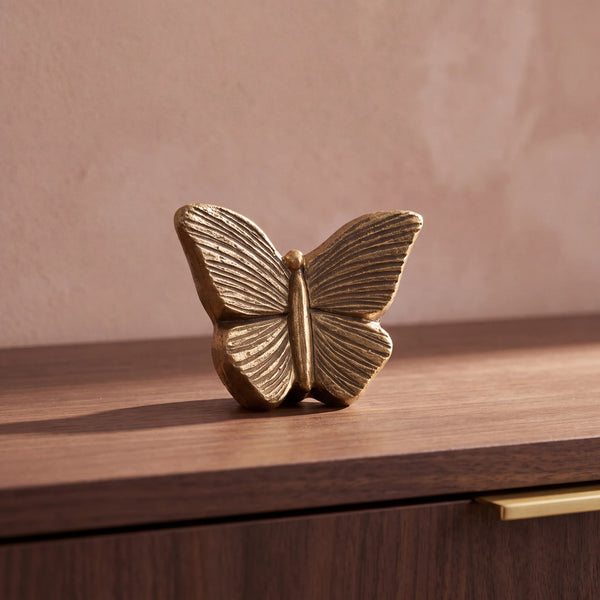 Butterfly Keepsake Urn for Ashes in Gold
$109.00
- ★ 5.0
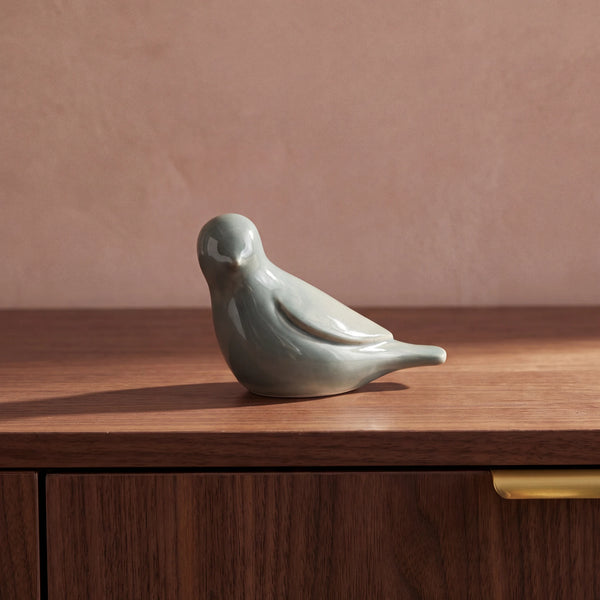 Whistling Bird Keepsake Urn for Ashes in Sage Green
$105.00
- ★ 5.0
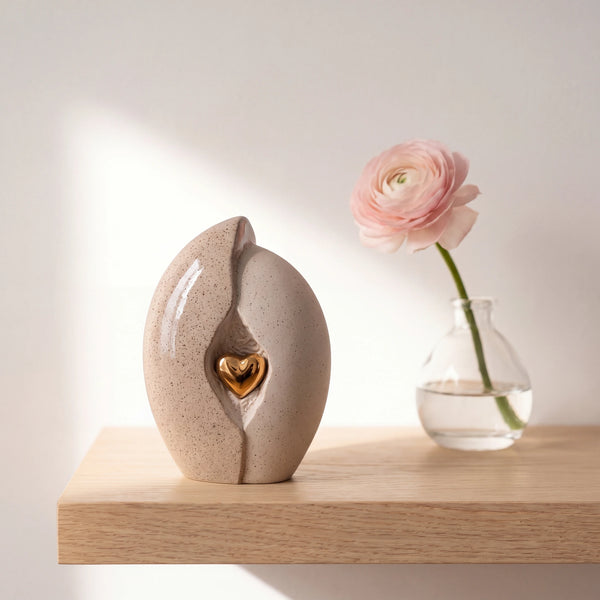 Embrace Heart Small Urn for Ashes in Brown and Gold
$288.00
- ★ 4.7
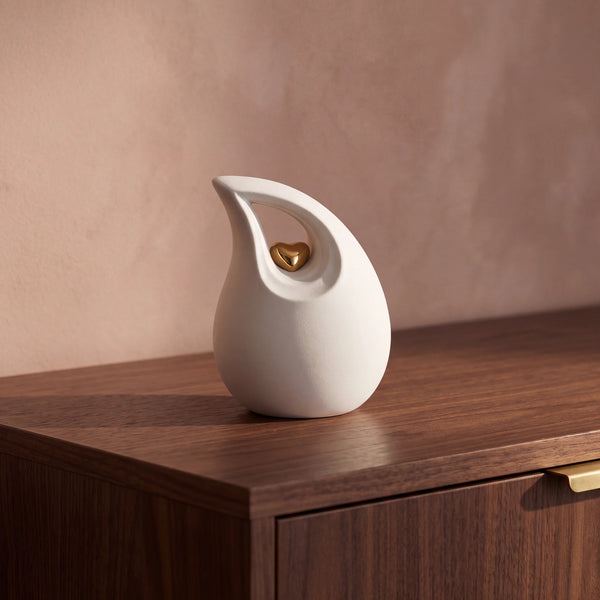 Teardrop Heart Small Urn for Ashes in White and Gold
$288.00
- ★ 5.0
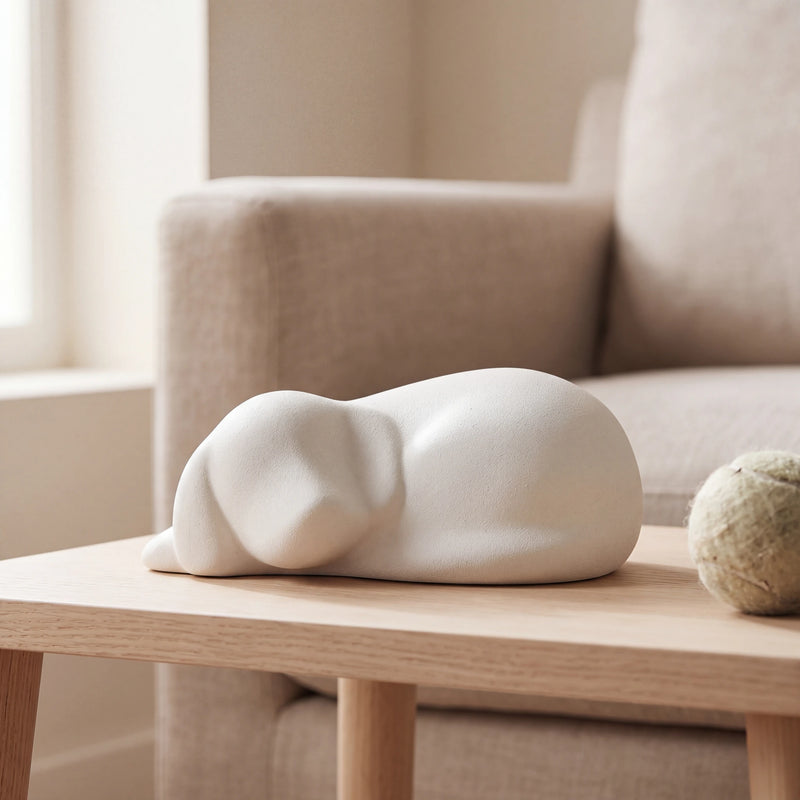
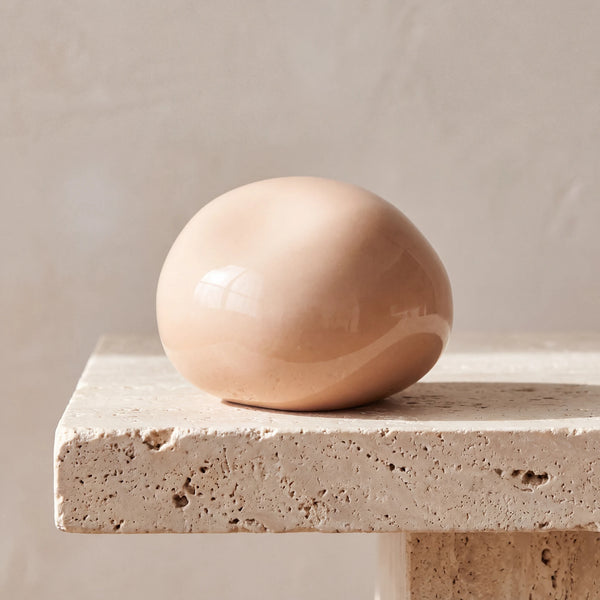 Cuddle Stone Keepsake Urn for Ashes in Glossy Sand
$105.00
- ★ 4.8
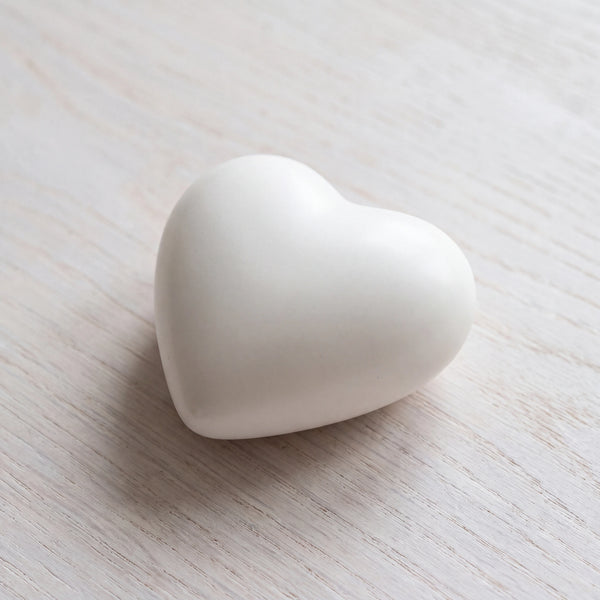 Heart Keepsake Urn for Ashes in White
$109.00
- ★ 5.0
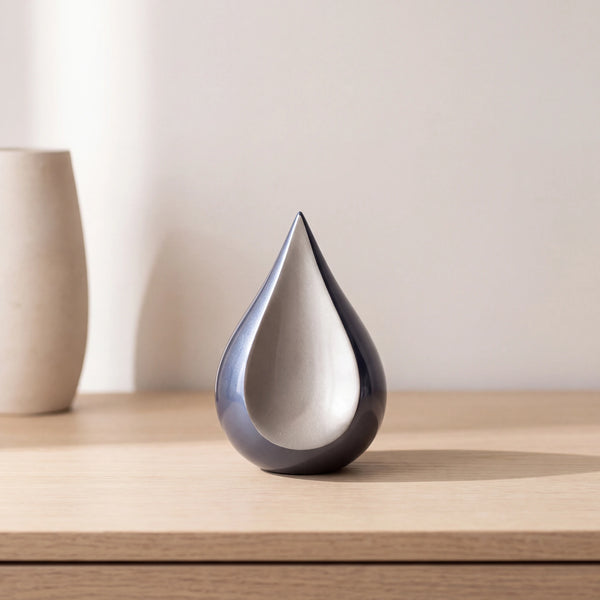 Odyssee Metal Teardrop Keepsake Urn for Ashes in Midnight Blue and Silver
$117.00
- ★ 5.0
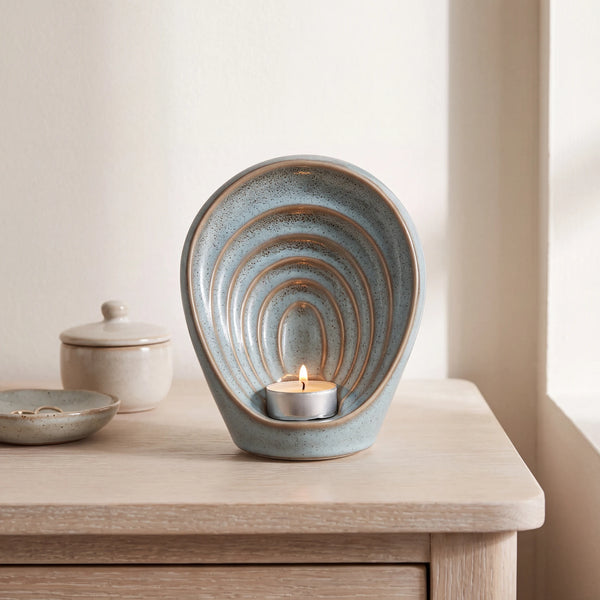 Guardian Angel Small Urn for Ashes in Oily Green
From $263.00
- ★ 5.0
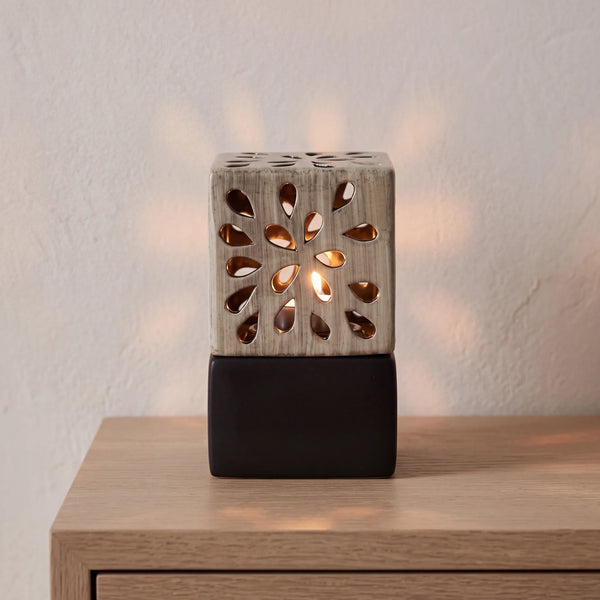 Lantern Candle Small Urns for Ashes
$247.00
- ★ 5.0
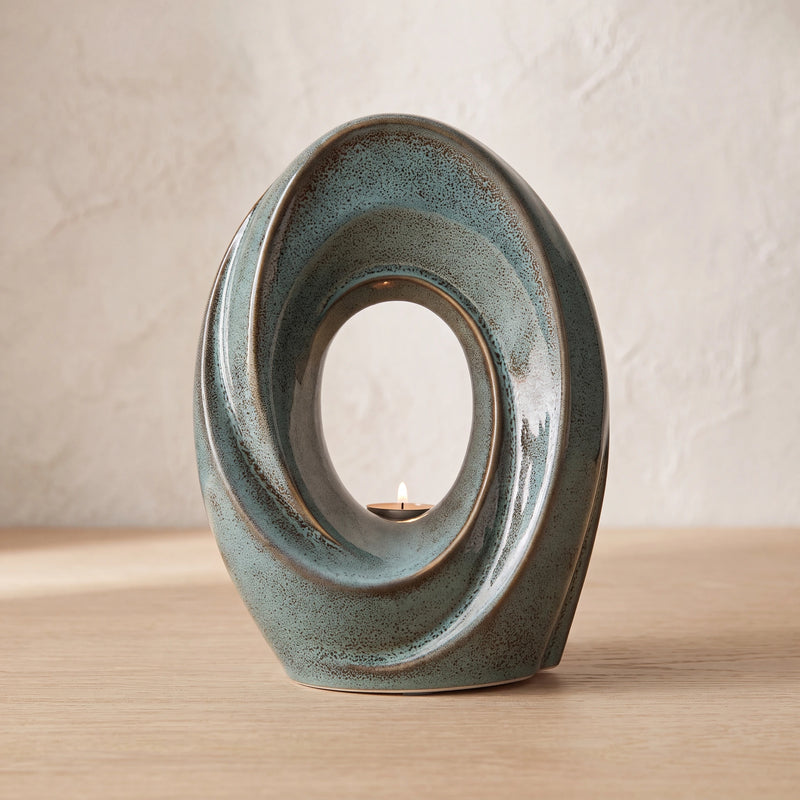
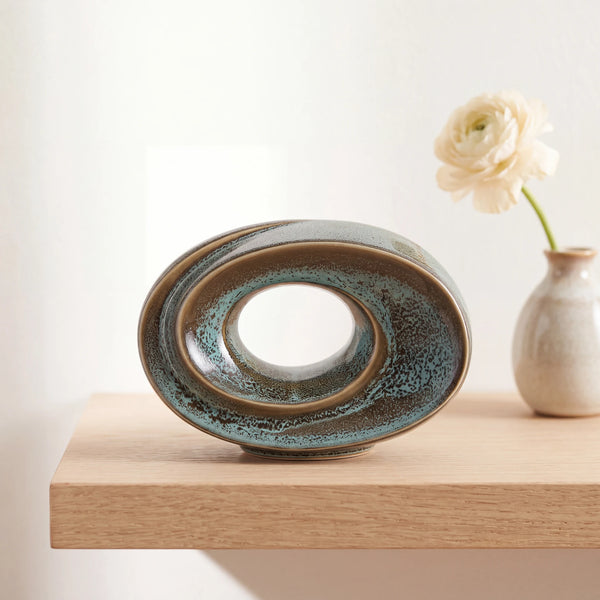 The Passage Small Urn for Ashes in Oily Green
From $309.00
Jump to a section of this guideShow sectionsHide
Quick answer: Burying ashes in your garden is a choice some families make, but the rules are set country by country and we did not find one official rule that covers everywhere, so check locally first. Think about a house move before you dig: in England and Wales, the Ministry of Justice says a license "should be sought" before an urn of buried ashes is lifted again. Use a biodegradable urn if you want the ashes to return to the soil.
A garden is often the place where someone was most themselves, so it is natural to want them to stay there. Burying ashes in your garden is simple to do, and it can be done quietly, in your own time, with only the people you want beside you. There are a few things worth knowing before you dig, and this guide goes through them in the order most people ask.
The urns mentioned below are from our biodegradable burial urns. Every size comes from the page for that urn.
Can you bury ashes in your own garden
There is no single answer that holds everywhere. Rules are set country by country, and sometimes town by town, and we did not find one official page that sets out the rule for burying ashes in a private garden. So this guide cannot tell you the law where you live. What it can do is show what a few official pages say, each for its own place. Each of them has exceptions and details that are on the page linked, not here.
A funeral director or your local council or county office can tell you what applies to you. If the garden is rented or shared, speak to the owner first and keep their answer in writing. What follows is general information, not legal advice.
England and Wales
The official guidance we found is about the future, not the burial itself. The Ministry of Justice publishes an application form for a license "to remove buried human remains (including cremated remains)" in England and Wales, on the GOV.UK page Apply to exhume human remains (last updated March 24, 2020; read October 6, 2026). The guidance notes printed in that form say three things that matter for a garden:
- On ashes in an urn: "A licence should be sought for buried cremated remains in a container."
- On gardens: "Where remains have been buried on private land (such as in a garden or field), the land owner would be considered the burial authority and should complete PART B of the form."
- On the owner of the land: a license would not "normally be granted if there is an objection from the owner of the land".
The same notes treat scattered ashes differently: "They are not considered to be buried and no licence is therefore required if they are to be disturbed." They also cover other cases, such as consecrated ground and ashes placed in the ground without a container, so read the notes themselves before you rely on any one line.
United States
Rules differ from state to state, and local governments can add their own. We did not find a state page that deals with burying an urn of ashes in a home garden in so many words. The two official pages below are about scattering, not burying, and are here only to show how two states word things.
- New York. The New York Department of State lists, among the choices for cremated remains, "to scatter the remains at sea or on private grounds with the permission of the landowner", in its Crematory Frequently Asked Questions (the page carries no date; read October 6, 2026).
- Oregon. The Oregon Mortuary and Cemetery Board says: "If you are the owner of the property or have the specific permission of the owner, you may scatter cremated remains." That is from its fact sheet Burial of Human Remains on Private Property (dated June 19, 2019; read October 6, 2026). Writing about a home burial, the same sheet says that unless long-term access has been agreed, "the new owner of the property is under no obligation to allow access." For anything further it sends readers to "your local planning commission or county office".
Neither page says what applies to burying ashes, and other states have their own wording and their own exceptions, so check with your own state or county before you go ahead.
What happens if you move house
This is the question to settle before anything else. A garden burial stays where it is when the house changes hands. The official pages quoted above show why that matters. In England and Wales, the Ministry of Justice notes say a license to lift buried ashes would not normally be granted if the owner of the land objects. In Oregon, the state board says a new owner "is under no obligation to allow access." Wherever you live, it is safest to plan as if you may not be able to come back to the spot.
Families deal with this in a few ways:
- Bury only part of the ashes. The rest can be kept at home in a small urn that moves with you. Our guide to dividing ashes after cremation explains how this is done, and there are keepsake sizes in our small urns for ashes.
- Keep the ashes above ground in the garden. An urn made for outdoors can stand among the plants and be lifted when you leave. The Memorial Garden Urn Ornament in Black is a tall aluminum column, 82.5 cm (32.48 in) high, that holds 3.9 liters (about 238 cubic inches) and closes with a screw fitting at the base. Its page lists it for placement in a garden or outdoor setting and says nothing about burial, so think of it as an urn that stands above the ground. There are more ideas in our guide to garden urns for ashes.
- Choose a cemetery or natural burial ground instead. If you expect to move, or if several relatives will want to visit for years to come, a plot that stays open to the family may be kinder to everyone. Cemeteries set their own rules about urns and about adding ashes to a grave that is already in use, so ask before you buy anything.
If you are settled, and the garden is likely to stay in the family, none of this need stand in your way.
Are cremated ashes good for plants
Not in the way compost is. It is a kind thought that ashes will feed a favorite rose, but the honest answer is that ashes change the soil around them, and plants do not always welcome the change.
Mountaineering Scotland describes what has been seen on mountain summits where ashes are scattered again and again: "stimulation of plant growth that can be attributed to both phosphate enrichment and changes in pH." It adds that the "chemical effect on the ecology of the surrounding area is reduced if they are buried rather than scattered." Both lines are from its policy page on mountain memorials (read October 6, 2026).
A garden is not a mountain top, and one burial is not hundreds of scatterings. Still, the point carries over. Ashes are not neutral in soil, and burying them in one place keeps the effect to that place. We have not found a figure from an official body for how much is too much for a garden plant, so we will not give one. If a particular plant matters to you, the cautious choice is to bury the urn a little to one side of it, not in among its roots.
If the plan is to plant a new tree or shrub over the ashes, our guide on how to grow a tree from ashes covers that on its own.
Choosing the spot
Take your time over this. Walk the garden at different times of day. Some people want a place they can see from the kitchen window, and some would prefer a corner they visit on purpose.
- Pick ground that will not be dug again: away from vegetable beds, future extensions, drains and cables.
- Avoid places that flood or stay waterlogged.
- Dig deep enough that planting, pets and wildlife will not disturb the urn, and keep the turf or topsoil to one side so you can lay it back.
- Mark the place, even discreetly, with a stone, a plant or a note kept with the house papers. Memory is less reliable than it feels on the day.
How deep should the urn go? We looked for a figure from a government body or regulator for burying an urn of ashes in a garden and did not find one, so we will not give one. Deep enough to stay undisturbed is the honest answer. If the burial will be in a cemetery or natural burial ground instead, the people who run it set the depth.
Some families build a small bed or a seat around the spot afterward. Our guide on how to create a memorial garden has ideas for that.
Urns made for burying in the ground
You can bury ashes without an urn at all, but most people find it easier, and gentler, to lower something into the ground than to pour. A biodegradable urn holds the ashes for the burial and then breaks down in the soil. A metal, stone or ceramic urn will not, so it stays in the ground as it is.
These four are sold for land burial. They differ mainly in material and shape.
Simplicity Earthurn in Slate Grey
The Simplicity Earthurn Biodegradable Urn in Slate Grey is made by hand from mulberry tree bark, harvested without harming the tree. It is a slim, upright shape, 25.4 cm (10.0 in) high, 21.0 cm (8.3 in) wide and 9.5 cm (3.7 in) deep, and weighs 0.55 kg (1.2 lb) empty. It holds 3.93 liters (about 240 cubic inches), listed as suitable for an adult up to approximately 108 kg (238 lb). The lid lifts off, and a paper glue can be run around the rim before burial if you would like it sealed.

Pictured: Simplicity Earthurn Biodegradable Urn for Ashes in Slate Grey - Adult
Eco Burial Bamboo Urn
The Eco Burial Bamboo Biodegradable Urn is a plain cylinder made entirely from bamboo, with the grain showing. It holds 3.1 liters (about 189 cubic inches) and stands 21 cm (8.27 in) high and 15.5 cm (6.10 in) across. Its page describes it as suitable for home display and later burial, which helps if you are not ready to choose a day yet. The lid lifts off for filling.

Pictured: Eco Burial Bamboo Biodegradable Urn for Ashes - Adult
Ólea Biodegradable Urn
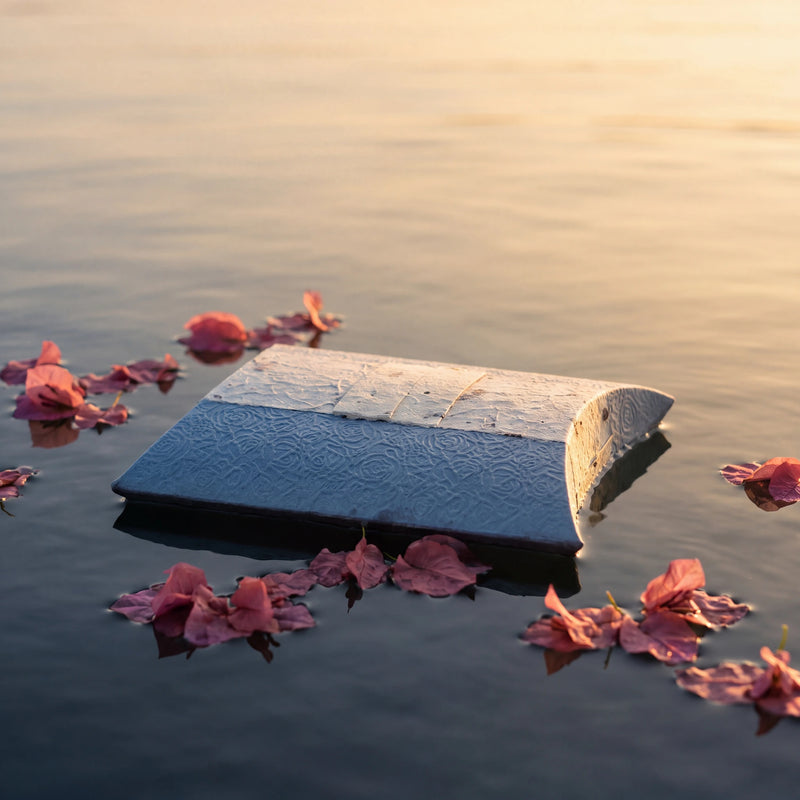
The Ólea Biodegradable Urn is made from olive stones bound with plant-based extracts. It is a rounded shape with a textured green surface, a flat lid and a band of natural rope around the middle. It holds 3 liters (about 183 cubic inches), measures 20 cm (7.87 in) high and 22.5 cm (8.86 in) across, and comes with a biodegradable inner bag that ties closed. Its page lists it for water or natural burial.

Pictured: Ólea Biodegradable Urn for Ashes - Adult
Mycelium Biodegradable Urn
The Mycelium Biodegradable Urn is grown, not manufactured: mycelium from mushroom cultivation binds reused sawdust into a cylinder with a pale, stone-like surface. It holds 4 liters (about 244 cubic inches) and measures 24 cm (9.4 in) high and 20.5 cm (8.1 in) across. Ashes go straight into the urn and the flat lid sits on top. Its page lists it for land burial.

Pictured: Mycelium Biodegradable Urn for Ashes - Adult
Side by side:
- Simplicity Earthurn in Slate Grey: 3.93 liters (about 240 cubic inches), lift-off lid, mulberry bark, for burial.
- Eco Burial Bamboo: 3.1 liters (about 189 cubic inches), lift-off lid, bamboo, for display at home and later burial.
- Ólea: 3 liters (about 183 cubic inches), lid with a tied inner bag, olive stones, for natural burial or water.
- Mycelium: 4 liters (about 244 cubic inches), lift-off lid, mycelium and sawdust, for land burial.
Check the capacity before the look. Our urn size guide shows how to work out what you need, and our guide to how long biodegradable urns last explains what happens to them in the ground.
When a garden burial is not the right choice
It suits a family who owns the garden, expects to stay, and wants a private place close to home. It is less suited to a rented home, to a house you may sell within a few years, or to a family where relatives live far apart and each want somewhere they can visit freely. In those cases, burying part of the ashes, keeping an urn above ground, or choosing a cemetery plot will usually sit better with everyone. There is no hurry. Ashes can be kept safely at home for as long as you need while you decide.
Sizes and product details in this guide were checked against our product pages on October 6, 2026.
Frequently asked questions
Can you put cremated ashes in a garden?
Families do, but there is no single rule that covers everywhere, and we did not find one official page that sets it out for a private garden. Rules differ by country, state and local area, so check with a funeral director or your local council or county office before you go ahead.
How deep should I bury ashes in the garden?
We did not find a figure from a government body or regulator for burying an urn of ashes in a garden, so we do not give one. Dig deep enough that planting, pets and wildlife will not disturb the urn. A cemetery or natural burial ground sets its own depth.
Are human ashes good for plants?
Not in the way compost is. Ashes change the chemistry of the soil around them, and Mountaineering Scotland notes that the effect is reduced when ashes are buried in one place instead of scattered. Bury the urn a little to one side of a plant you care about.
What kind of urn should I use to bury ashes in the garden?
A biodegradable urn, if you want the ashes to return to the soil. Urns made from bark, bamboo, olive stones or mycelium break down after burial, while metal, stone and ceramic urns stay in the ground as they are.
What happens to buried ashes if I move house?
They stay where they are. In England and Wales, the guidance notes in the Ministry of Justice application form on GOV.UK (page last updated March 24, 2020) say: "A licence should be sought for buried cremated remains in a container." Other countries have their own rules. Some families bury only part of the ashes and keep the rest in a small urn.
Can I bury ashes under a tree?
You can, though it is gentler on the tree to bury the urn near it than to dig among its roots. If you would like to plant a new tree over the ashes, our guide on growing a tree from ashes covers that.
Can ashes be buried in a cemetery instead?
Yes. Many cemeteries and natural burial grounds have plots for ashes, and some allow ashes to be added to a family grave. Each sets its own rules about urns and fees, so ask the cemetery before you choose an urn.
Biodegradable Burial Urns
- ★ 5.0
Embrace Biodegradable Urn for Ashes in White Hemp - Adult
$152.00
- ★ 5.0
Simplicity Earthurn Biodegradable Urn for Ashes in Floral - Adult
$140.00
-
Loop EarthRise™ Biodegradable Urn for Ashes - Adult
$402.00
- ★ 5.0
Love Heart Biodegradable Urn for Ashes in Floral - Adult
$140.00
- ★ 5.0
Eco-friendly Vertical Wooden Adult Urn for Ashes
$272.00
- ★ 5.0
Purity Earthurn Biodegradable Urn for Ashes in White - Adult
$140.00
-
Tribute Bamboo Adult Urn for Ashes
$249.00
-
Bali Woven Tribute Adult Urn for Ashes
$288.00
-
Mycelium Biodegradable Urn for Ashes – Adult
$300.00
-
Dome Samsara Biodegradable Urn for Ashes – Medium
$244.00
Shop the collections in this guide

Written by Urns For Angels
Looking for an urn?
Browse the full range, or ask us and we will help you find the right one.
Keep reading
-
11 min read
Scattering Ashes Ceremony: Ideas, Words and What to Bring
-
16 min read
Columbarium Niche: Sizes, Costs and Which Urn Fits
-
9 min read
Dividing Ashes After Cremation: How Families Share Them
See every guide on What to Do With Ashes: Scattering, Burial and Keeping


Leave a comment
This site is protected by hCaptcha and the hCaptcha Privacy Policy and Terms of Service apply.