


How to Scatter Ashes: A Complete Guide
Scattering ashes is one of the most quiet, profound things a family ever does together. It's also the kind of thing no one teaches you how to do. This guide walks you through where you can scatter, where you can't, what to bring, how to do it without making the mistakes families most often regret, and how to mark the moment in a way that feels right.

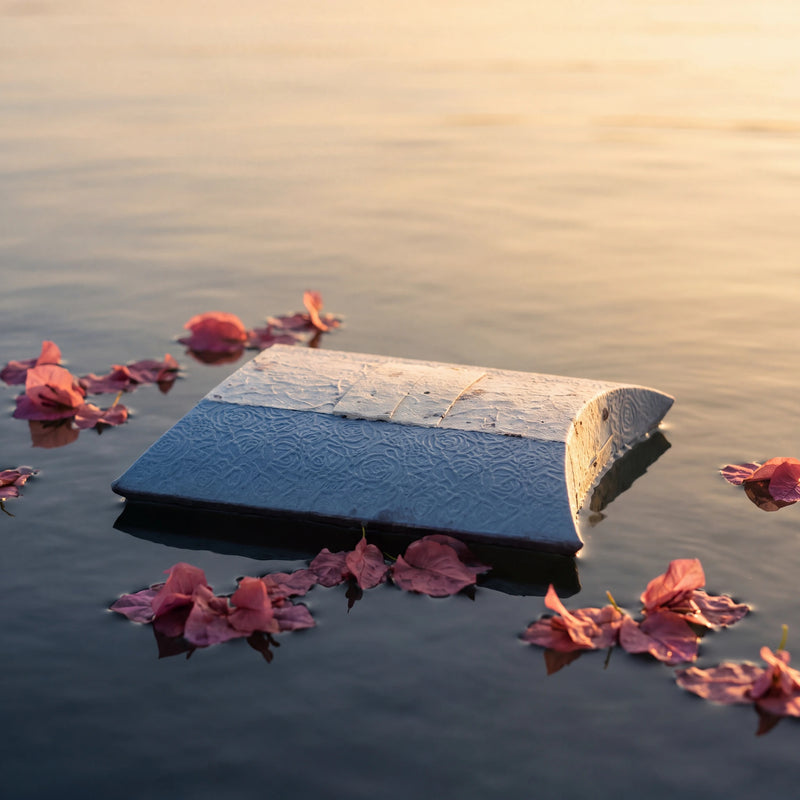
Pictured: Memorial Petals
Quick answer
You can scatter ashes at sea, in a garden, in mountains and forests, in some sports grounds, and on private land with the owner's permission. In the UK, scattering is legal in most places provided you stay 1 km from drinking-water sources. In the United States, marine scattering must be at least 3 nautical miles offshore, and most public lands require a permit. Use a purpose-made scatter tube, stand with the wind at your back, and consider keeping a small portion of ashes in a keepsake urn or piece of jewellery.
Why families choose to scatter
Scattering returns a loved one to a place that mattered to them. For some families it's the sea. For others it's a mountain they hiked, the garden they tended, the football ground they cheered at every Saturday. The act of scattering can feel like setting someone free, and for many families it's a way of marking the moment of letting go that no urn at home can replicate.
Is it legal to scatter ashes?
Yes, in most cases, but the rules differ by country and even by region. The key principle is the same in most places: scattering is allowed where it doesn't disturb the environment, contaminate water sources, or trespass on land or property without permission. Always check local rules before scattering on public land or in another country.
See the country-by-country guidance section below for the UK and United States.
Where can you scatter ashes?
At sea
Sea scattering is one of the most common choices, particularly for those who loved the water. Most scatterings happen from a private boat, a charter, or a pier. A biodegradable water urn or scatter tube can be released onto the surface to float briefly before sinking and dissolving. It's a moving final image. Always check minimum distance-from-shore rules for the country you're scattering in.
On a mountain or hill
High places like Snowdon, Ben Nevis, the Rockies, the Lake District, the Pennines and the Catskills hold particular meaning for many families. Public access laws differ, and busy peaks ask that you scatter discreetly and away from popular paths or summit cairns out of respect for other walkers.
In your own garden
Garden scattering is permitted in most countries with the landowner's consent. It's a quiet, private option, and many families combine it with planting a tree or rose in the same spot. Bear in mind you may not always live at the same address.
On public land or in a national park
National parks and other protected lands typically allow scattering with a permit. The rules vary; some require advance notification, others ask that you stay away from trails, water sources or visitor areas. Always check before scattering.
At a sports stadium or club ground
Many football, rugby, baseball and other sports clubs will allow scattering on the pitch or grounds for fans, often around the close season. Contact the club's supporter liaison or chaplaincy team. Most have a defined process and a small ceremony associated with it.
In a river or lake
Inland water scattering is legal in most places but tightly regulated in some. Stay clear of drinking-water reservoirs, fish farms, and water-sports areas. A biodegradable water urn or scatter tube is the right choice for any water scattering.
By air, from a plane or balloon
Aerial scattering is legal in most jurisdictions provided the ashes are released over uninhabited land or sea and in a biodegradable container. Specialist aerial-scattering services exist in both the UK and the US.
In another country
Cross-border scattering is permitted but adds practical steps: a sealed urn for transport (some countries require an x-ray-transparent container), the original cremation certificate, and the death certificate. We're publishing country-by-country transport guides; for now, contact the destination country's embassy if in any doubt.
How to scatter ashes — the practical guide
Use a purpose-made scatter tube
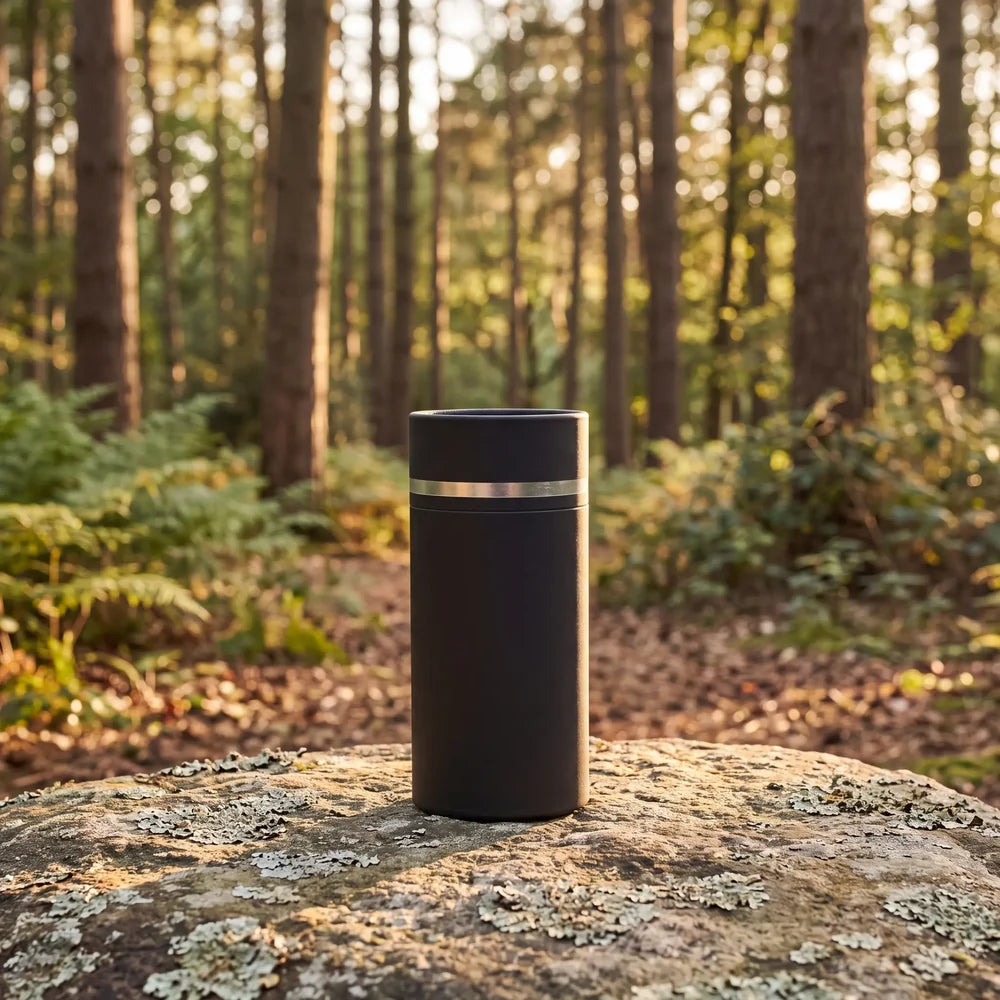
A scatter tube is a tall, slim, biodegradable container designed specifically for releasing ashes cleanly. They're far easier to use than tipping ashes from a traditional urn. The long form factor and controlled opening let the ashes flow out smoothly rather than dumping in clumps. Most are made from recycled card and break down naturally if buried or placed in water.
Check the wind
This is the single most common scattering mistake. Ashes are a light, fine material and will travel with even a gentle breeze. Stand with the wind at your back, not facing it. Test the direction first by lifting a small amount of dry sand or grass and watching where it goes. If the wind is strong or shifting, wait for a calmer moment.
Scatter in a smooth, slow motion
Tip the scatter tube gradually rather than emptying it all at once. A slow release lets the ashes drift naturally, makes for a more dignified moment, and gives those present time to be in it. Many families share the scattering, with each person taking the tube in turn for a portion.
Allow time for the moment
Don't rush. Most families build a short ceremony around the scattering: a few words, a poem, a song, or simply a silence. The act itself takes seconds. The moment around it can take as long as you need.
Common mistakes to avoid
- Scattering into the wind. Ashes will blow back into faces and clothing. Always stand with the wind at your back.
- Forgetting permission. Sports grounds, private estates, and many public lands require advance notification or a permit. Last-minute scattering on someone else's land risks a difficult moment with security or staff.
- Scattering near drinking water. In the UK, the Environment Agency advises staying at least 1 km from any drinking-water source. Ignore this and you risk environmental damage and a fine.
- Going too close to shore at sea. Ashes scattered close to the beach can wash back. In the US, federal rules require marine scattering at least 3 nautical miles offshore.
- Doing it on a windy day in the open. If conditions aren't right, postpone. Ashes are not in a hurry.
- Forgetting to keep a portion. Many families regret scattering everything. Consider keeping a small portion, even a teaspoon, in a keepsake urn or piece of memorial jewellery before you scatter.
Ceremony ideas
There's no right way to mark a scattering. Some families want quiet; others want to make it an occasion. Common elements that work well:
- Read a poem, a passage, or a piece of writing the deceased loved
- Play a meaningful piece of music, whether a recording, an instrument, or one person singing
- Each family member takes a turn scattering a portion of the ashes
- Plant a tree, rose or seed in the same place afterwards as a living marker
- Bring photographs and share a memory each before the scattering
- Toast the deceased with a glass of their drink, in their place
- Keep it silent. Sometimes that's the right ceremony.
After the scattering: keeping something close
Many families regret not keeping a small portion of the ashes back. Before the scattering, consider setting aside a teaspoon or two for one of the following:
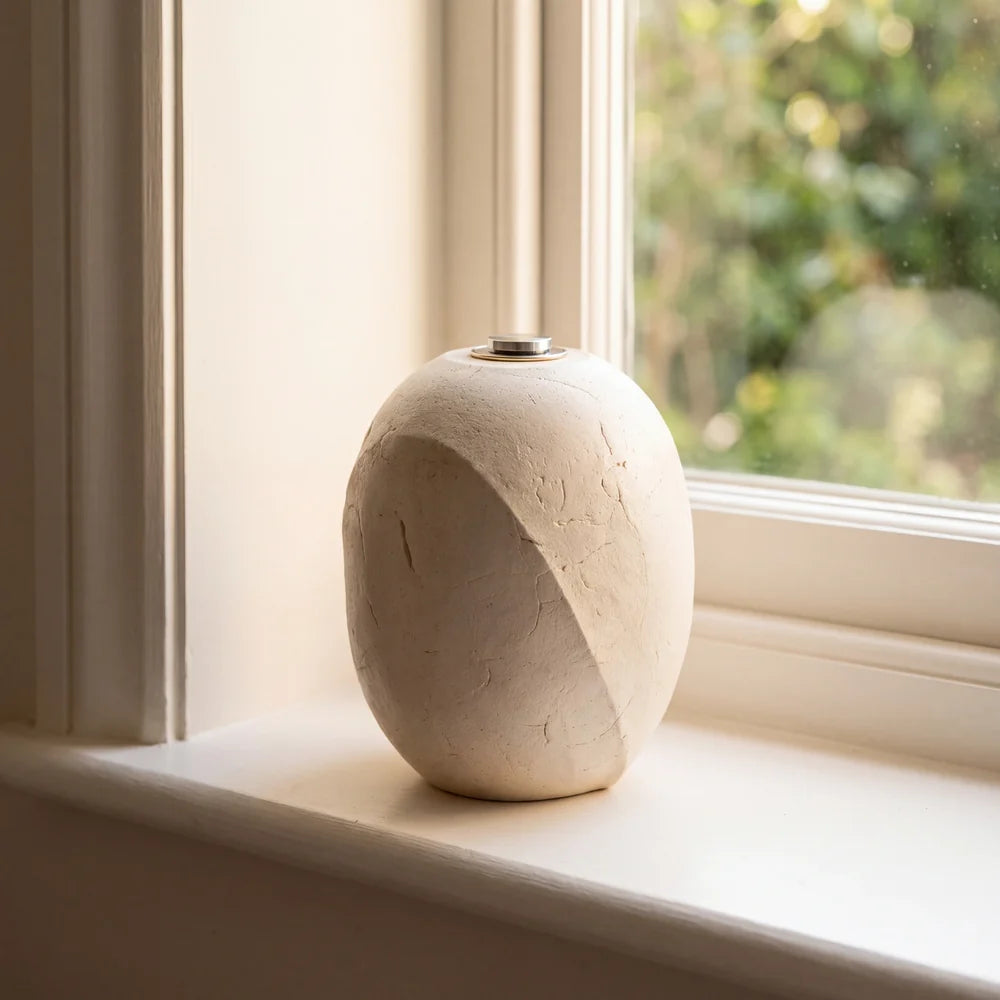
- A keepsake urn, a small urn (1 to 3 cubic inches) designed to hold a portion
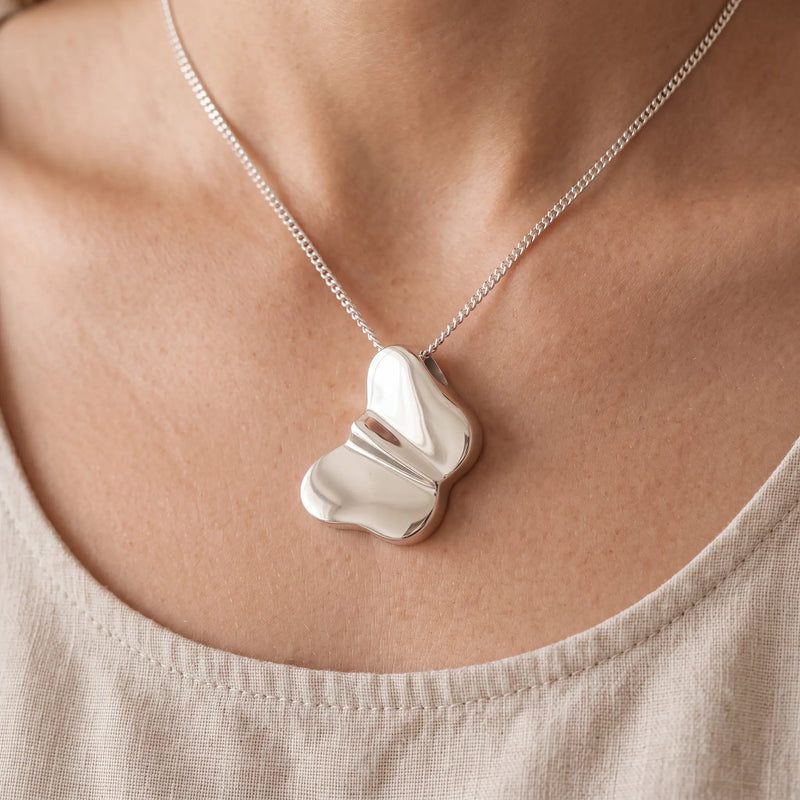
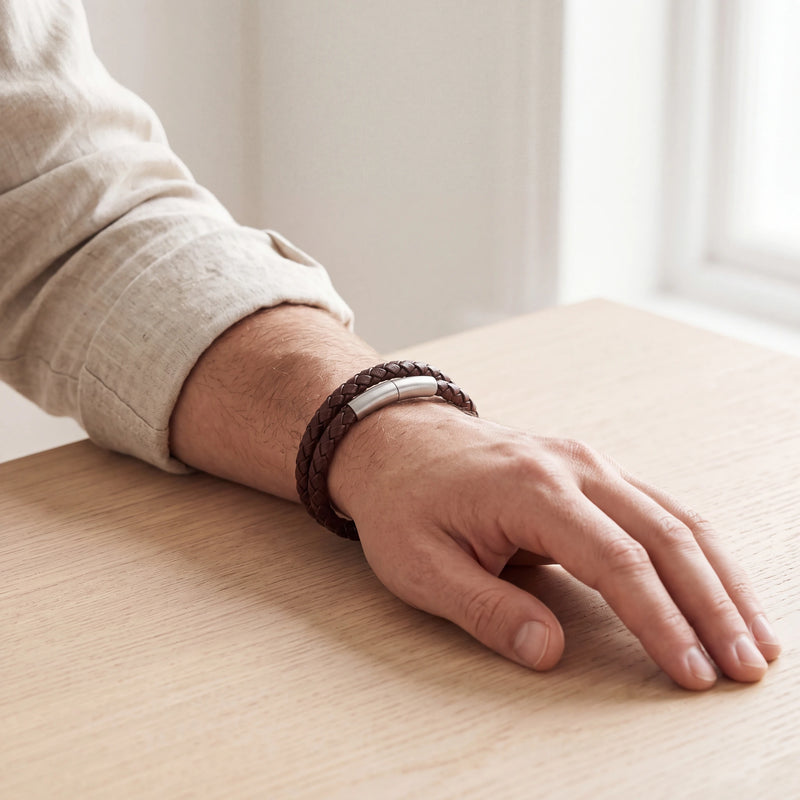
- A piece of memorial jewellery such as a pendant, ring or bracelet with a small sealed chamber
- A second scattering at a different location later, in your own time
You don't have to choose only one option. See our hub guide on what to do with ashes after cremation for the full list of choices.
Country-specific scattering guidance
United Kingdom
Scattering is legal across most of the UK without formal permission, provided:
- You have the landowner's consent (or are scattering on your own land)
- You stay at least 1 km from any drinking-water source (Environment Agency guidance)
- You stay away from buildings, bridges and marinas when scattering on water
National Trust land, Forestry England, and most public authorities will give permission on request. There is no specific minimum distance from shore for marine scattering in UK waters, though common practice is to scatter offshore rather than at the beach.
United States
US scattering rules are mostly set at state and federal level rather than national. Key federal rules:
- Marine scattering must be at least 3 nautical miles offshore (EPA Clean Water Act). The EPA must be notified within 30 days using their Burial-at-Sea form.
- National Parks Service land typically requires a free permit; rules vary by park.
- Inland scattering on private land is allowed in most states with the landowner's permission.
- Aerial scattering is permitted provided ashes are released in a biodegradable container over uninhabited land or sea.
Some states (notably California) have specific additional restrictions on where scattering is allowed. Check your state's department of public health guidance.
Frequently asked questions
Is it legal to scatter ashes?
Yes, in most countries, with permission from the landowner and within environmental rules. In the UK, scattering is legal almost anywhere with consent, provided you stay 1 km from drinking-water sources. In the United States, marine scattering must be at least 3 nautical miles offshore, and many public lands require a permit.
Do I need permission to scatter ashes at sea?
In the UK, no formal permit is required for scattering at sea. In the United States, marine scattering must take place at least 3 nautical miles offshore and the EPA must be notified within 30 days using their Burial-at-Sea Reporting form.
Can I scatter ashes in a national park?
Yes, with a permit. In the United States, the National Park Service issues free scattering permits; apply through the specific park's office. In the UK, National Trust land, Forestry England, and most national parks will give permission on request, often with conditions about location and discretion.
How do I scatter ashes without them blowing back?
Stand with the wind at your back, never facing into it. Test wind direction by tossing a small handful of dry sand or grass first. Use a purpose-made scatter tube and tip slowly rather than dumping all at once. If conditions are too windy, postpone. There is no rush.
What is a scatter tube?
A scatter tube is a tall, slim biodegradable container designed specifically for releasing ashes cleanly during a scattering ceremony. They are easier and more dignified to use than a traditional urn, and most are made from recycled card or paper that breaks down naturally if placed in water or buried.
Can I scatter ashes in another country?
Yes, but transporting ashes across international borders requires a sealed urn (some countries require it to be x-ray transparent), the original certificate of cremation, and the death certificate. Specific requirements vary by destination. Contact the destination country's embassy or check our country-specific transport guides.
Can I scatter ashes from a plane?
Yes, in most jurisdictions, provided the ashes are released over uninhabited land or sea and in a biodegradable container. Specialist aerial-scattering services exist in both the UK and the United States. Solo private aerial scattering may require additional aviation clearance; check with the local civil aviation authority.
Should I keep a portion of the ashes before scattering?
Many families find that keeping a small portion (typically 1 to 3 cubic inches, or a teaspoon) gives them flexibility for a future memorial without compromising the main scattering. Common uses for the kept portion include a keepsake urn, memorial jewellery, or a future second scattering at a different location.
Where to go from here
- Browse scatter tubes, purpose-made for clean, dignified scattering
- Browse biodegradable urns for water and land burial
- Browse keepsake urns for holding a portion before scattering
- Browse ashes jewellery for keeping a small amount close
- Read our hub guide: What to do with ashes after cremation
- How to divide ashes after cremation
Last updated: 9 May 2026.
Urns For Angels is a family-run specialist supplier of cremation urns, ashes jewellery, scatter tubes and pet memorials, with worldwide shipping. This guide is general in nature; specific legal questions about scattering or transporting ashes should be directed to your local authority or embassy.
Scatter Tubes for Ashes
See all Eco Bamboo Biodegradable Scattering Urn for Ashes – Adult
 Wildflower Adult Biodegradable Scattering Urn
 Poppy Eco Friendly Scattering Tube for Ashes - Adult
 19th Hole Eco Friendly Scattering Tube for Ashes - Adult
Written by Paul Levy
Looking for an urn?
Browse the full range, or ask us and we will help you find the right one.



Leave a comment
This site is protected by hCaptcha and the hCaptcha Privacy Policy and Terms of Service apply.