
What to Do With Ashes After Cremation: Every Option Explained
You've collected the ashes from the crematorium. Now what? If you're reading this, the funeral is probably behind you, the relatives have gone home, and you're left holding a small wooden box. There's no manual. No one tells you what comes next.
This guide walks you through every option families have: keeping the ashes at home, scattering them, burying them, dividing them, turning them into jewellery, returning them to nature. There's no right answer. There's only the answer that feels right for your family.

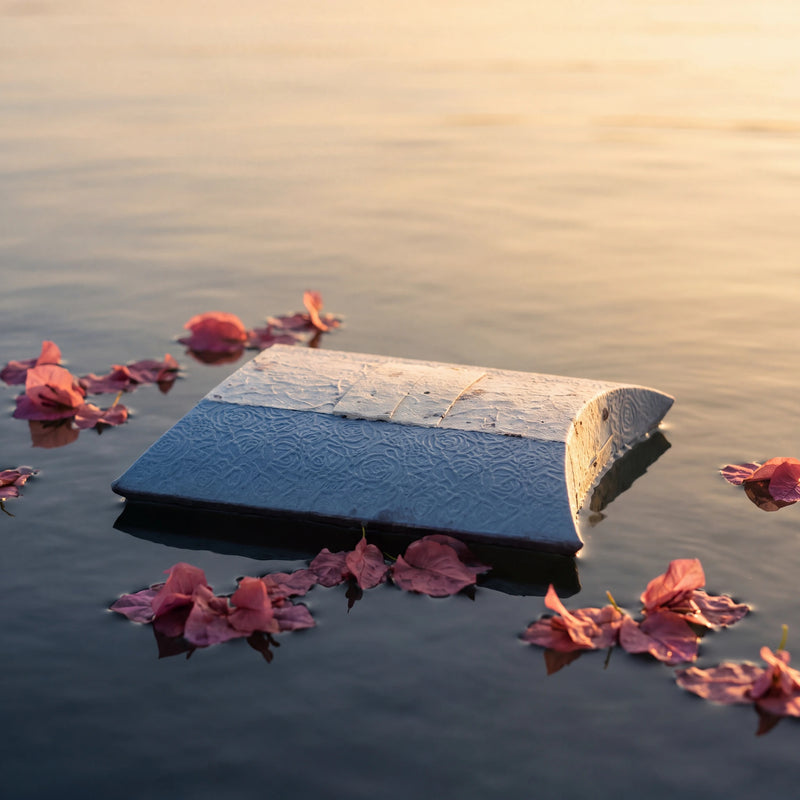
Pictured: Embrace Biodegradable Urn for Ashes in White Hemp - Adult
Quick answer
The seven main options are: keep the ashes at home in a cremation urn, scatter them at a meaningful place, bury them in a plot or garden, divide them between family members in keepsake urns, keep a small portion in memorial jewellery, return them to nature with a biodegradable urn, or combine more than one of these. You do not have to decide quickly: some families take weeks, others months or years.
First - there is no deadline
Nothing obliges you to decide quickly once the ashes are with you. You can keep them for as long as you need to: weeks, months, years, decades. Some families wait until a meaningful anniversary, a family gathering, or simply until they feel ready.
If you don't know yet, that's normal. Take the time you need.
Your seven main options
- Keep the ashes at home in a cremation urn
- Scatter the ashes in a meaningful place
- Bury the ashes
- Divide the ashes between family members
- Keep a portion in memorial jewellery
- Return the ashes to nature with a biodegradable urn
- Combine more than one option
1. Keep the ashes at home in a cremation urn
Keeping a loved one's ashes at home means they remain close, in the place they belonged, in a way you can revisit every day or only when you need to.
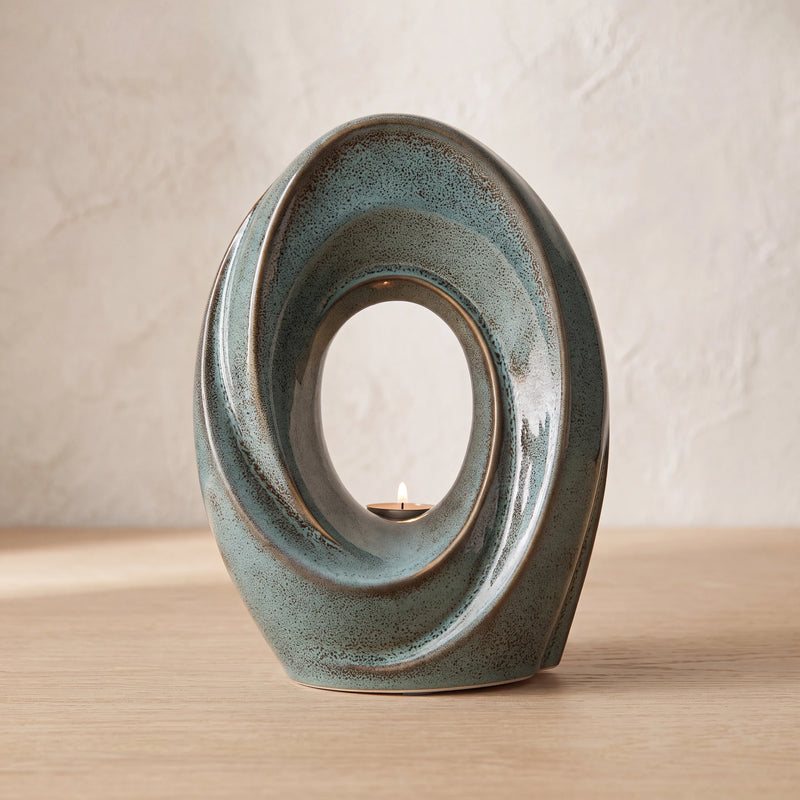
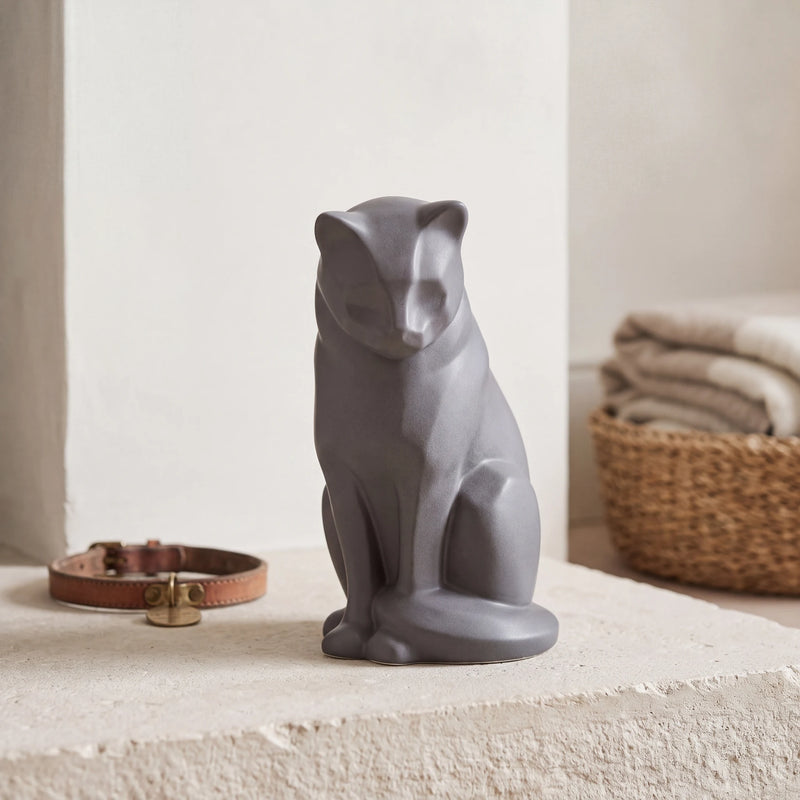
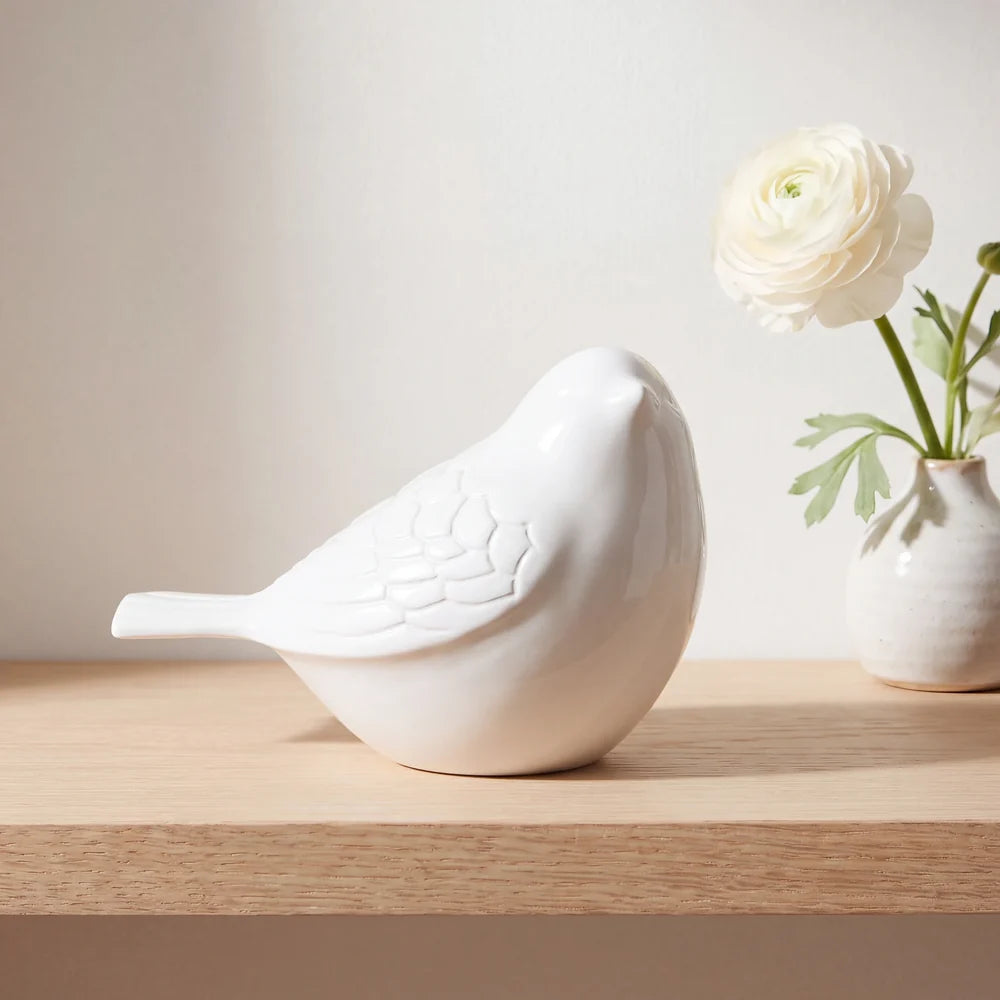
Modern cremation urns come in a huge range of styles - from quiet ceramic forms that sit gently on a mantelpiece, to wooden caskets that look at home in any room, to contemporary pieces that don't read as "urns" at all. There's no longer any need to choose something that looks ceremonial unless you want to. Many families find a piece that simply fits the home it lives in.
Practical points:
- You'll need an urn sized for the body weight of your loved one - a useful starting point is one cubic inch of urn volume per pound of body weight before cremation. See our urn size guide for a fuller explanation.
- Where to place an urn is a personal decision: a shelf, a bedroom dresser or a bay window can suit as well as the centre of a room. Our guide on where to place a cremation urn goes through the choices.
- Most ceramic and wooden urns are best kept indoors, away from direct sunlight or damp.
2. Scatter the ashes in a meaningful place
Scattering is a way of returning your loved one to a place they cared about - a garden, a beach, a hilltop, a river, a stadium. Each scattering is its own ceremony, and there's no single right way to do it.
Common scattering locations include:
- The sea or a tidal estuary
- A favourite walking spot, hill or mountain
- Public lands and national parks (with appropriate permission)
- The garden of a family home
- A river or other body of water
- A football, rugby, baseball or other sports ground (with the club's permission)
Purpose-made scatter tubes make the practical side much easier - they're designed to release ashes cleanly without spilling, and biodegradable versions are made for water scattering.
Legal rules differ by country and locality. See the legal considerations section below.
Our guide on how to scatter ashes covers the day itself.
Browse scatter tubes → or biodegradable water urns →
3. Bury the ashes
Burial of ashes is its own choice - separate from keeping or scattering. Common options:
- In a cemetery plot or churchyard. Most cemeteries have an ashes plot or "garden of remembrance" specifically for buried cremated remains. Plots are smaller than full burial plots.
- In a family grave. Ashes can often be placed in an existing family grave. Ask the cemetery what it needs from the owner of the grave.
- In your own garden. Possible in many places with the landowner's consent, though worth thinking about carefully if you might one day move house. Our guide to burying ashes in your garden covers what to check first.
- In a natural or green burial ground. Woodland burial sites usually ask for a biodegradable container, so check with the site.
For garden burial, a biodegradable urn is designed to break down naturally over time, returning the ashes to the soil.
Browse biodegradable urns for burial →
4. Divide the ashes between family members
Dividing the ashes can help when family members live far apart, when more than one person was close to the deceased, or when several different memorials feel right at once.
Keepsake urns are smaller versions of full-size urns, designed to hold a portion of ashes. Our urn size guide gives keepsake and token urns as typically 0.05 to 0.3 litres. They mean each family member can have their loved one with them, however many miles apart they live.
Some families choose matching keepsakes; others choose pieces that reflect each individual recipient. Both are fine.
5. Keep a portion in memorial jewellery
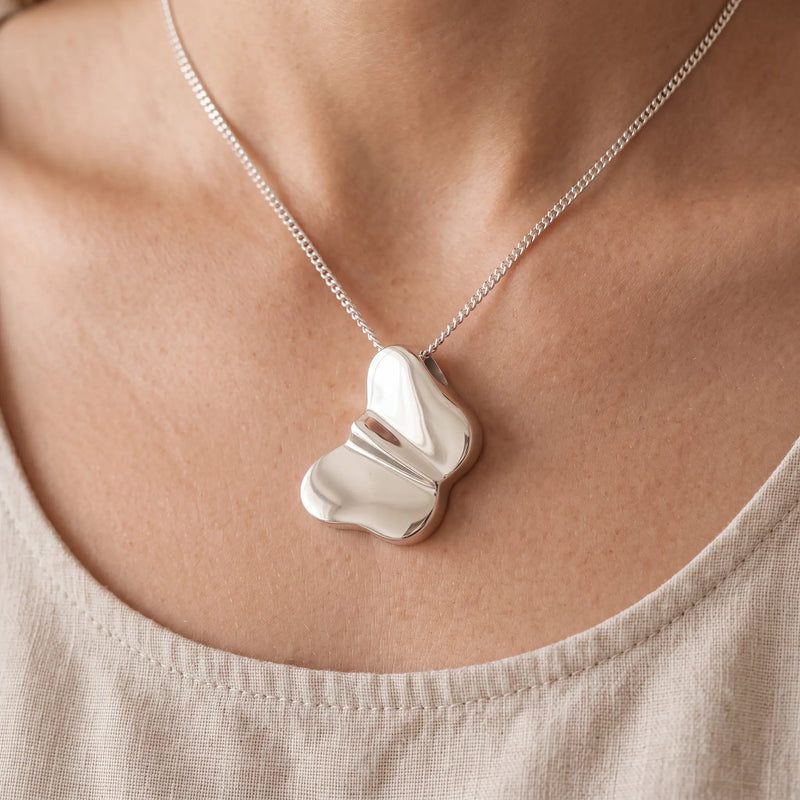
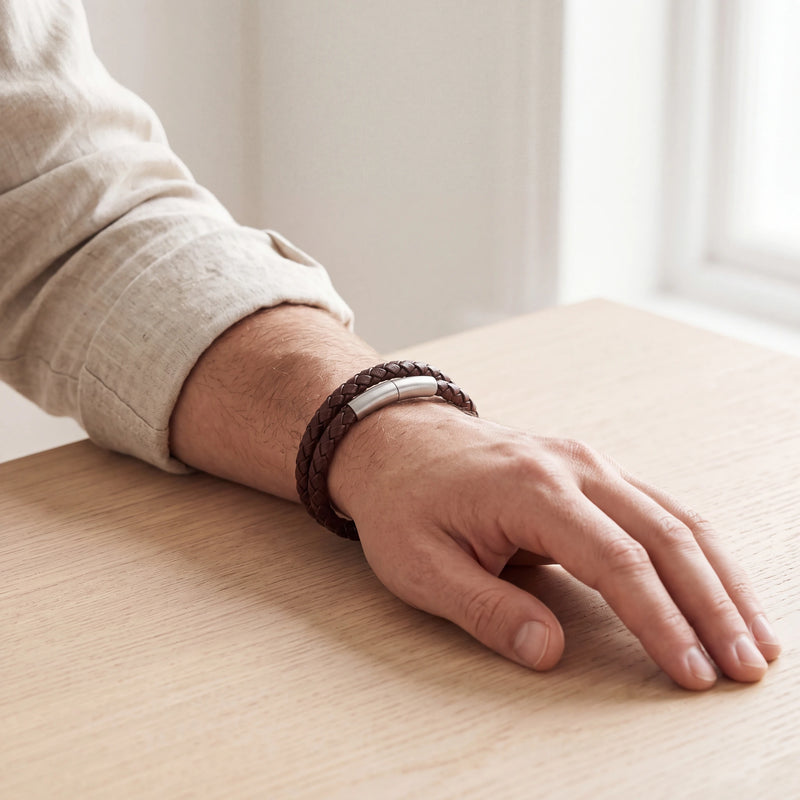
Memorial jewellery - sometimes called ashes jewellery or cremation jewellery - lets you keep a small, sealed amount of ashes with you in a pendant, ring or bracelet. For some people it's a way of carrying their loved one through the day; for others it's a piece they wear only on meaningful dates.
There are two main types:
- Self-fill jewellery - pieces with a small inner chamber you fill at home and seal yourself. This is usually the lower-cost route, and it is private. Our guide to self-fill ashes jewellery shows how it works.
- Incorporated jewellery - pieces made by a jeweller who takes a portion of ashes and fuses them into glass, resin or metal during the making. More expensive, takes longer, but the ashes become part of the piece.
6. Return the ashes to nature with a biodegradable urn
Biodegradable urns are designed to break down - either in soil, in water, or both - returning the ashes naturally to the environment. They're the choice for families who want a final resting place that doesn't sit indoors and doesn't involve a permanent grave.
Land burial urns are typically made of compressed plant fibres, sand, salt or recycled paper. Buried in a garden or natural burial site, they break down over time, releasing the ashes into the soil. How long depends on the urn and the ground: see how long biodegradable urns last. Some, like tree-planting urns, are designed to grow into a living memorial - a sapling planted with the urn becomes a tree that carries the memory.
Water burial urns are made to sink and dissolve in water, for a ceremony at sea or on a lake where you want a moment with the urn before it is released. For US waters, read the EPA's rules on containers first; they are in the legal section below.
7. Combine more than one option
Many families don't choose just one of these. Some common combinations:
- Keep most of the ashes at home in a full-size urn, with a small portion in a piece of jewellery
- Divide between siblings using keepsakes, with the larger urn buried at a family grave
- Scatter the ashes at a meaningful place, but keep a small portion at home in a memento urn
- Bury part of the ashes with a tree-planting urn, scatter another portion at a separate location
If a single decision feels too final, splitting between options can take some of the pressure off the moment of choosing.
Legal considerations - by country
Rules around scattering, burying and transporting ashes vary by country and even by region. Always check local guidance before any public scattering or burial.
United Kingdom
At sea, the Marine Management Organisation says: "You don't need a licence or permission to scatter ashes at sea after a cremation" (Marine Management Organisation on GOV.UK, How to arrange a burial at sea in the UK marine area, last updated 25 March 2026).
On land, the starting point is the landowner's permission: for National Trust land, public parks, sports grounds and private estates, ask the owner or the organisation that manages the land first. As one example, the Lake District National Park Authority says "you always need the landowner's permission to spread ashes on private land", and adds: "For inland rivers or lakes contact the local Environment Agency to check there is no nearby water supply" (Lake District National Park Authority, Memorials and scattering ashes, read 13 October 2026). West Suffolk Council's guidance says: "you don't need permission to scatter ashes on your own land or over a body of water" (West Suffolk Council, Scattering cremated remains, read 13 October 2026).
United States
Rules are set mainly by states and by whoever manages the land. At sea, the Environmental Protection Agency says: "You must notify the EPA of the burial at sea within 30 days following the event", and requires cremated remains to be placed in ocean waters at least three nautical miles from land (EPA, Burial at Sea, last updated 26 August 2026). The general permit for burial at sea covers ocean waters only. For lakes and rivers the EPA says: "States may authorize burials in inland waters, including rivers, lakes and bays", so ask your state first. The same page sets out what may go into the water with the ashes, so read it before choosing an urn for a sea burial.
National parks set their own conditions. As one example, Yellowstone says: "A Special Use Permit is required to hold your memorial" (National Park Service, Scattering of Ashes Permit, Yellowstone, last updated 1 May 2025). On private land, ask the owner.
If you're transporting ashes across borders
The rules for taking ashes abroad depend on the airline and the country. Our guide to flying with ashes sets out the documents and the kind of urn to use, with the official sources, and links to guides for individual airlines and countries.
Frequently asked questions
How long can you keep ashes at home?
For as long as you wish. Properly sealed in an urn and kept dry, ashes are stable and do not deteriorate.
Is it legal to scatter ashes?
Usually, with the right permission, but rules differ by country. In the UK you do not need a licence or permission to scatter ashes at sea (Marine Management Organisation on GOV.UK, How to arrange a burial at sea in the UK marine area, last updated 25 March 2026), and on land you ask the landowner first: one council puts it as "you don't need permission to scatter ashes on your own land or over a body of water", but for public or other private land "you'll need to request the permission from the landowner" (West Suffolk Council, Scattering cremated remains, read 13 October 2026). In the US, the EPA requires a scattering at sea to be at least three nautical miles from land (EPA, Burial at Sea, last updated 26 August 2026); rules for land, lakes and rivers are set by states and by whoever manages the land. Check before you go.
Can ashes be split between multiple urns?
Yes. A funeral director or crematorium may be able to divide the ashes for you if you ask, or it can be done at home using a small funnel. See our separate guide on dividing ashes after cremation for the practical steps.
Can you bury ashes in your garden?
On your own land it is usually possible, but rules differ from place to place, so check locally first. A biodegradable urn lets the ashes return to the soil. Bear in mind you may not always live at the same address; some families choose a cemetery plot for that reason. Our guide to burying ashes in your garden covers what to check.
What if more than one family member wants the ashes?
Dividing the ashes between keepsake urns is a practical solution. Each person has a portion of their loved one, and no one is asked to give up that closeness.
How long do families typically wait before deciding?
There is no average. Some families know within weeks. Others wait years - until an anniversary, a meaningful family event, or simply when it feels right. Both are valid. Don't let anyone rush you.
What happens to ashes that are never collected from the crematorium?
In England and Wales, ashes that are not collected "must be decently interred in a burial ground or in part of a crematorium reserved for the burial of ashes, or scattered there". Where ashes were left temporarily in its care, the cremation authority "may not inter or scatter the ashes" until it has made reasonable attempts to give the applicant 14 days' notice (Cremation (England and Wales) Regulations 2008, regulation 30, read 13 October 2026). Rules elsewhere differ. If you are not ready to collect, tell the crematorium and ask how long it will hold them.
Can ashes be turned into jewellery, glass or diamonds?
Yes. A small portion of cremated remains can be incorporated into glass pendants, resin pieces, or even synthetic diamonds via specialist services. Self-fill pieces have a small inner chamber that the family fills at home.
Where to go from here
If you're ready to start looking, our collections are organised around the most common decisions:
- Adult cremation urns - for keeping ashes at home
- Keepsake urns - for dividing between family members
- Ashes jewellery - pendants, rings and bracelets
- Biodegradable urns - for burial, scattering or water release
- Urn size guide - to help you choose the right capacity
- Scatter tubes - for scattering
- Guides: how to scatter ashes, the rules on scattering ashes, water burial ceremonies, growing a tree from ashes, how much ashes weigh and flying with ashes
If you're not ready to choose yet, that's also fine. We're here when you are. Contact our team if you'd like to talk to a real person - no pressure, no script.
Last updated: 13 October 2026.
Urns For Angels is a family-run specialist supplier of cremation urns, ashes jewellery and pet memorials, with worldwide shipping. This guide is written to help families with the choices that follow a cremation; nothing in it constitutes legal advice. For specific questions about scattering, burying or transporting ashes, contact your local authority or funeral director.
Adult Urns for Ashes
See all The Passage Adult Cremation Urn for Ashes in Oily Green
 Ocean Modern Adult Cremation Urn for Ashes
 Infinity Adult Cremation Urn for Ashes in Cream
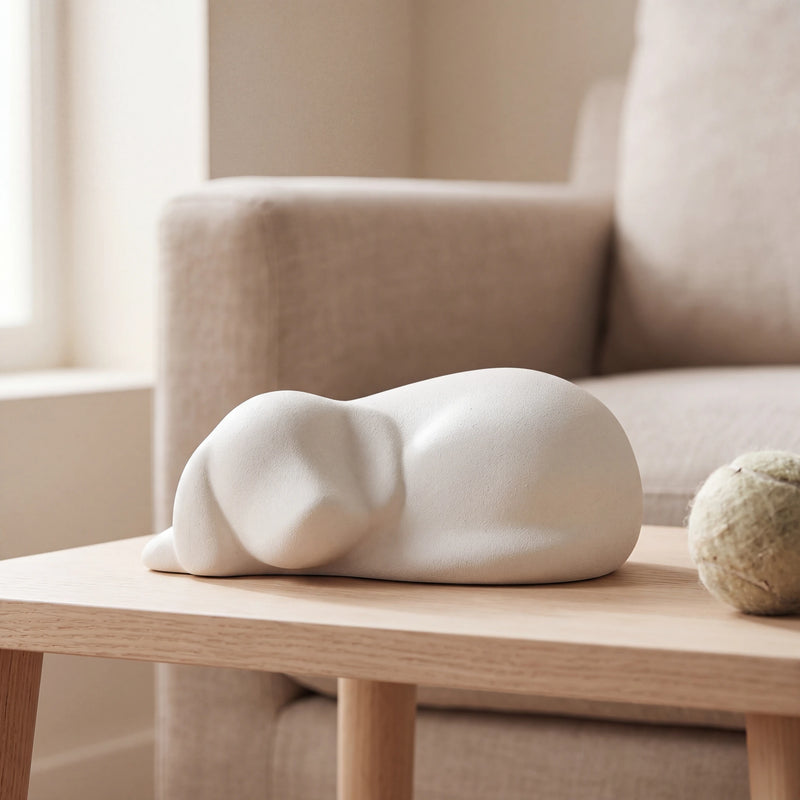
 Sandy White Modern Adult Cremation Urn for Ashes
Written by Paul Levy
Looking for an urn?
Browse the full range, or ask us and we will help you find the right one.
Keep reading
-
3 min read
What Type of Urn is best for Burial?
-
9 min read
Types of Scattering Tubes and How Each One Works
-
3 min read
Who Has The Rights To Ashes After Cremation?
See every guide on What to Do With Ashes: Scattering, Burial and Keeping


Leave a comment
This site is protected by hCaptcha and the hCaptcha Privacy Policy and Terms of Service apply.