
The Cremation Process
If you are arranging or simply trying to understand a cremation, it helps to know what actually happens at each stage. This guide walks through the cremation process from start to finish, clearly and respectfully, and answers the questions families most often ask.
Quick answer: Cremation uses high heat, around 800 to 1,000°C, to reduce a body to bone fragments, which are then processed into a fine, sand-like ash. In the UK each person is cremated individually by law, the whole process takes about 2 to 3 hours plus cooling, and the coffin is cremated with the body. The ashes are returned to the family in a simple container, ready to keep in an urn, scatter, bury, or turn into jewellery.
Before the cremation
Preparation. The body is given a unique identifier that follows it through every stage, so the right ashes are always returned to the right family. Any pacemakers or battery-powered medical devices are removed beforehand, because they can be hazardous under high heat.
The container. The body is placed in a coffin or suitable container made from combustible material such as wood or board. This is cremated with the body and is never reused.
Clothing and personal items. A person can be cremated in their own clothes or an outfit the family provides. Small personal items can often be included, but anything metal or battery-powered should be removed. Sentimental jewellery is best taken off beforehand, as metal does not survive the process.
During the cremation
On the day, the coffin is brought into the chapel for a religious or secular service if the family has chosen one. Afterwards it moves to the committal room for final identification checks, then into the cremation chamber. In most cases the cremation follows shortly after the service.
Inside the chamber, temperatures of around 800 to 1,000°C reduce the body to its basic elements over about 2 to 3 hours. The chamber then needs time to cool before the remains can be processed. By UK law, only one person is cremated at a time, and remains are never mixed.
Families can usually arrange for one or two relatives to witness the start of the cremation if they wish, which can bring a sense of closure.
After the cremation
Once cooled, the remains, which are mainly bone fragments, are processed in a machine called a cremulator into a fine, sand-like ash. Any metal, such as surgical implants or coffin fittings, is separated out first using a magnet, and metal implants are usually recycled.
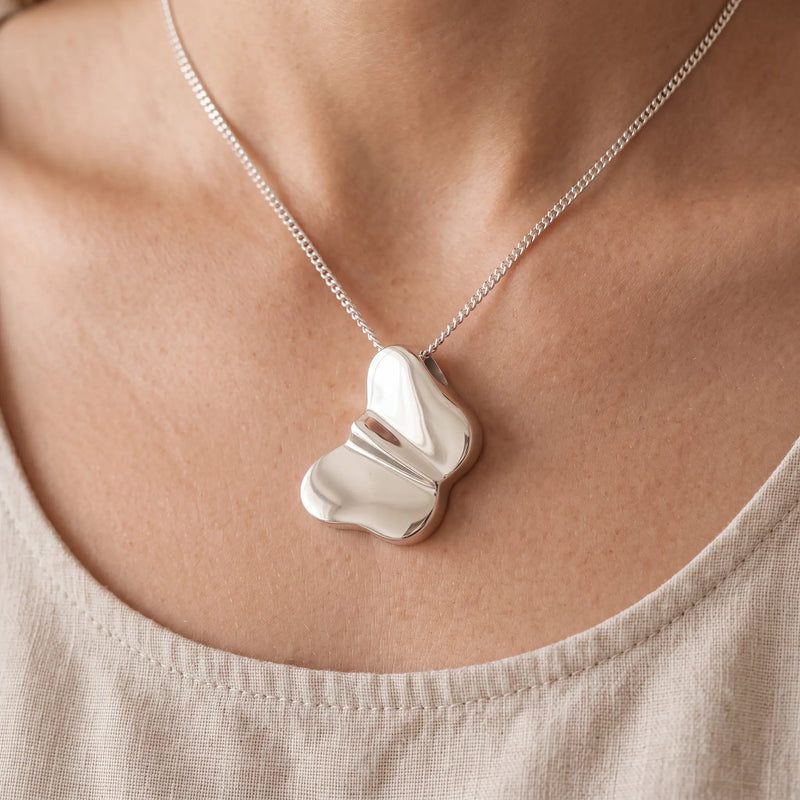
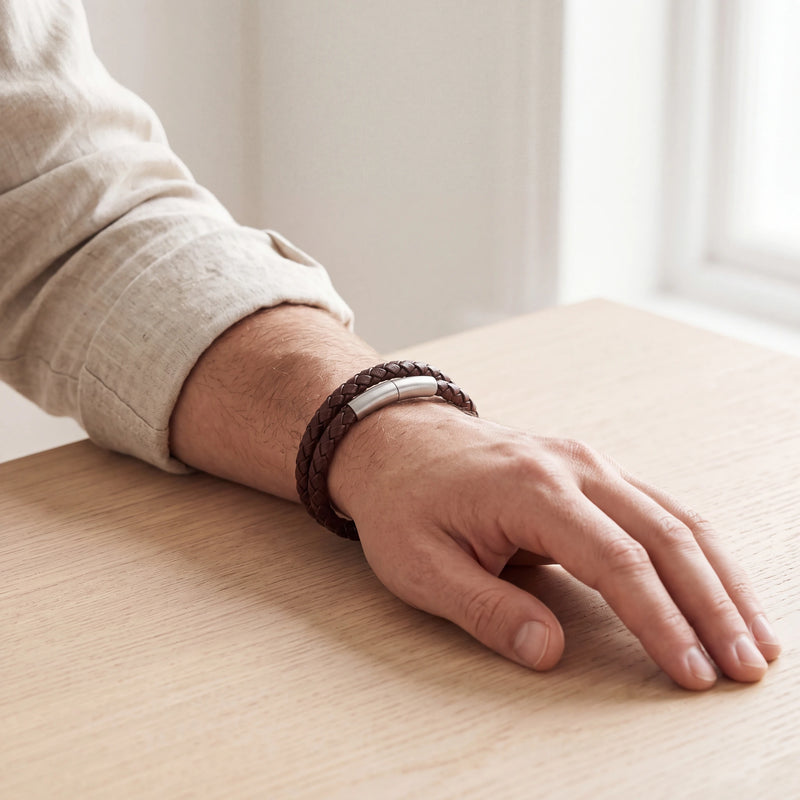
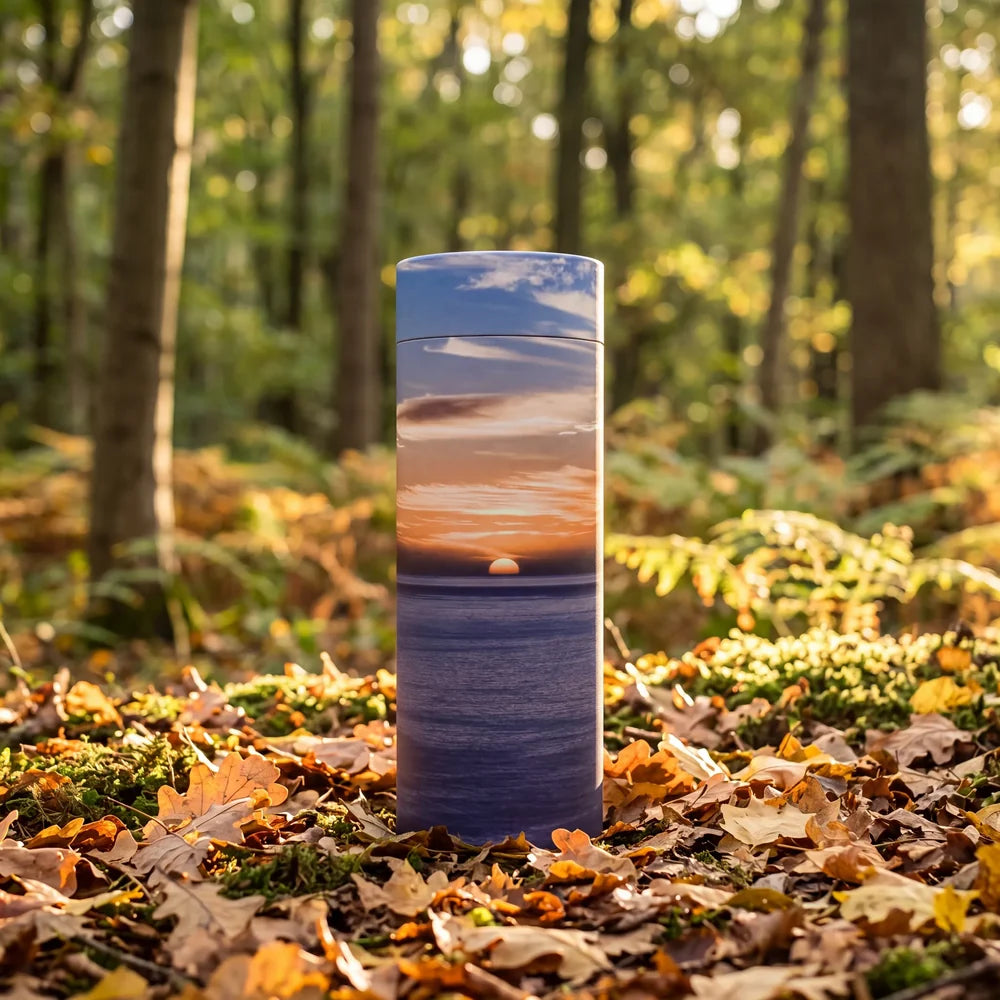
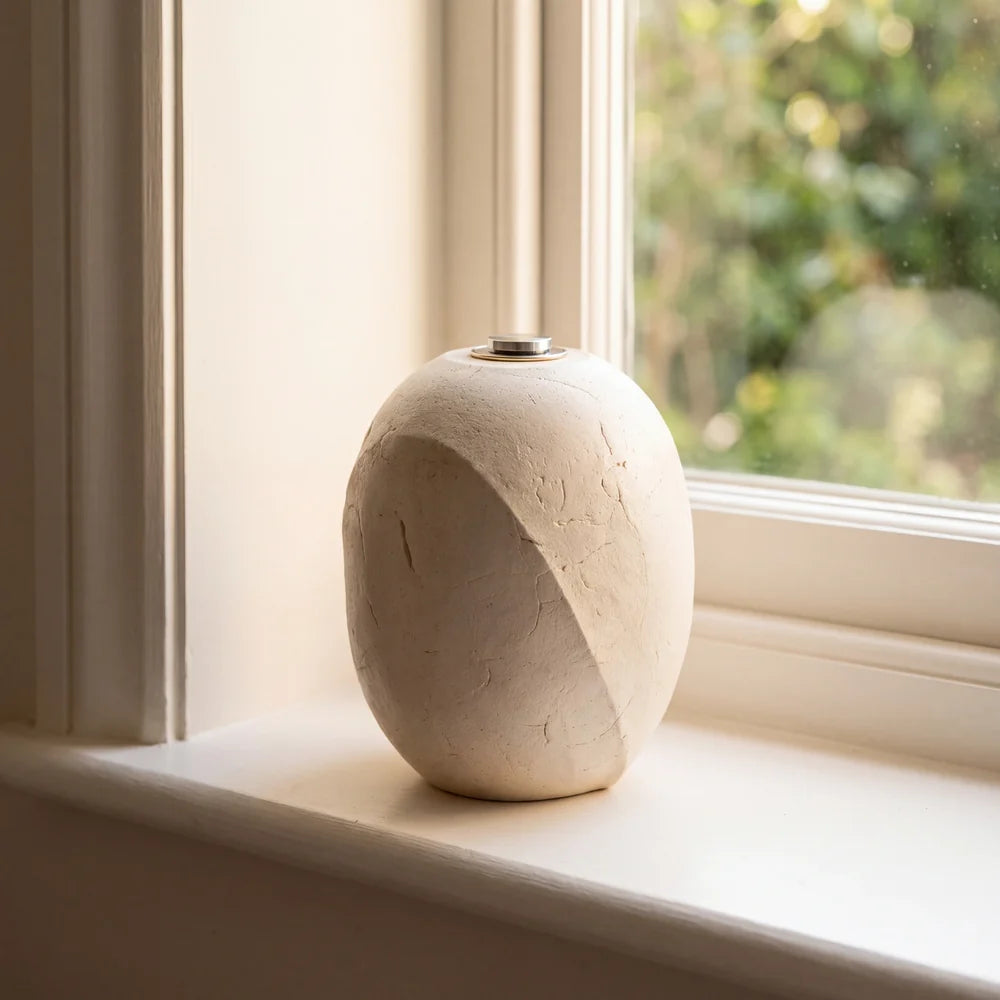
The ashes are returned to the family in a simple temporary container. You do not have to buy an urn from the crematorium: many families transfer the ashes into a more personal cremation urn later, or choose to keep a small portion in ashes jewellery or a keepsake urn.

Pictured: Lotus Adult Cremation Urn for Ashes in Stainless Steel
From there, the choice is yours: keep the ashes at home, scatter them, bury them, or share them between family. Our hub guide on what to do with ashes after cremation walks through every option.
How much does cremation cost?
Cremation is generally less expensive than burial, largely because there is no plot to buy. A direct cremation (no service) is the most affordable option. For a full breakdown, see our guide on cremation and burial costs.
Common myths about cremation
- "Several people are cremated together." No. UK law requires each person to be cremated individually, and remains are never mixed.
- "The coffin is reused." No. The coffin is cremated with the body and never reused.
- "Ashes are like fireplace ash." No. They are processed bone fragments with a fine, sand-like texture, not burnt wood or paper.
- "The whole body turns to ash." Soft tissue is gone, but the bones remain and are then processed into ash.
- "Metal implants are destroyed." They survive and are removed afterwards, then usually recycled.
- "Cremation is a religious process." It is neither religious nor secular in itself. It can be part of any faith ceremony, or none at all.
Frequently asked questions
How long does a cremation take?
The cremation itself takes about 2 to 3 hours, depending on the chamber temperature and the person's build, followed by a cooling period before the remains are processed.
Is the coffin cremated with the body?
Yes. The entire coffin or container is cremated with the body, and once sealed it cannot legally be reopened. Coffins are never reused.
Are people cremated individually in the UK?
Yes. UK law requires that each person is cremated individually, one at a time, and strict identification procedures ensure remains are never mixed.
What happens to jewellery and metal during cremation?
Metal does not survive cremation in a wearable form. Coffin fittings and surgical implants are separated from the ashes afterwards using a magnet and are usually recycled. Remove sentimental jewellery beforehand.
Do I have to buy an urn from the crematorium?
No. The crematorium returns the ashes in a simple container at no extra cost. You can transfer them into an urn, jewellery or keepsake of your choice in your own time.
Can I have a cremation without a service?
Yes. This is called a direct cremation, where the cremation takes place without a ceremony. Many families hold a separate celebration of life afterwards.
Urns for Ashes
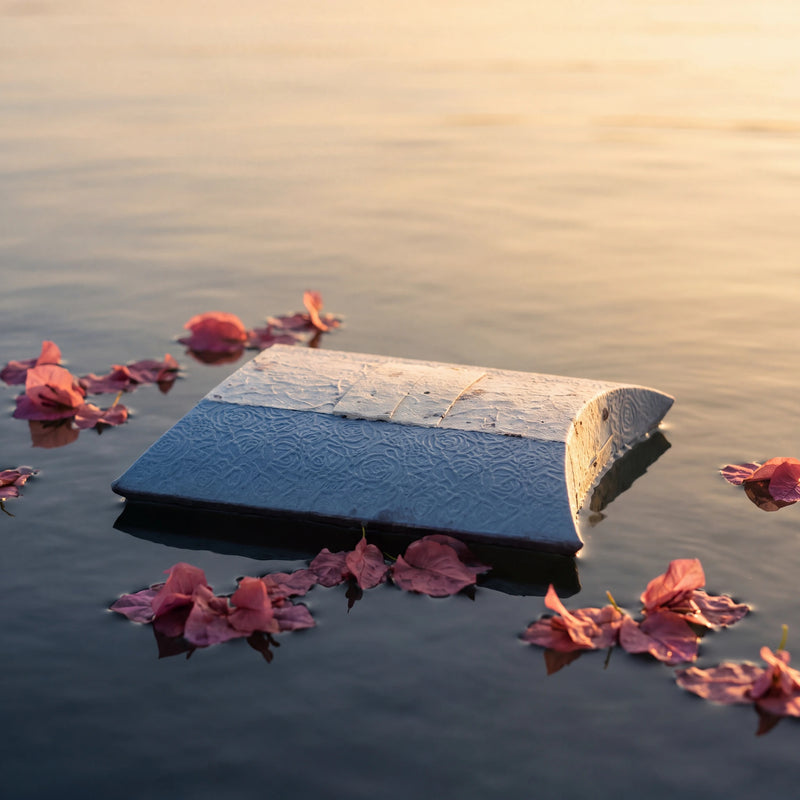
See all Journey Biodegradable Water Urn for Ashes in Aqua Blossom - Adult
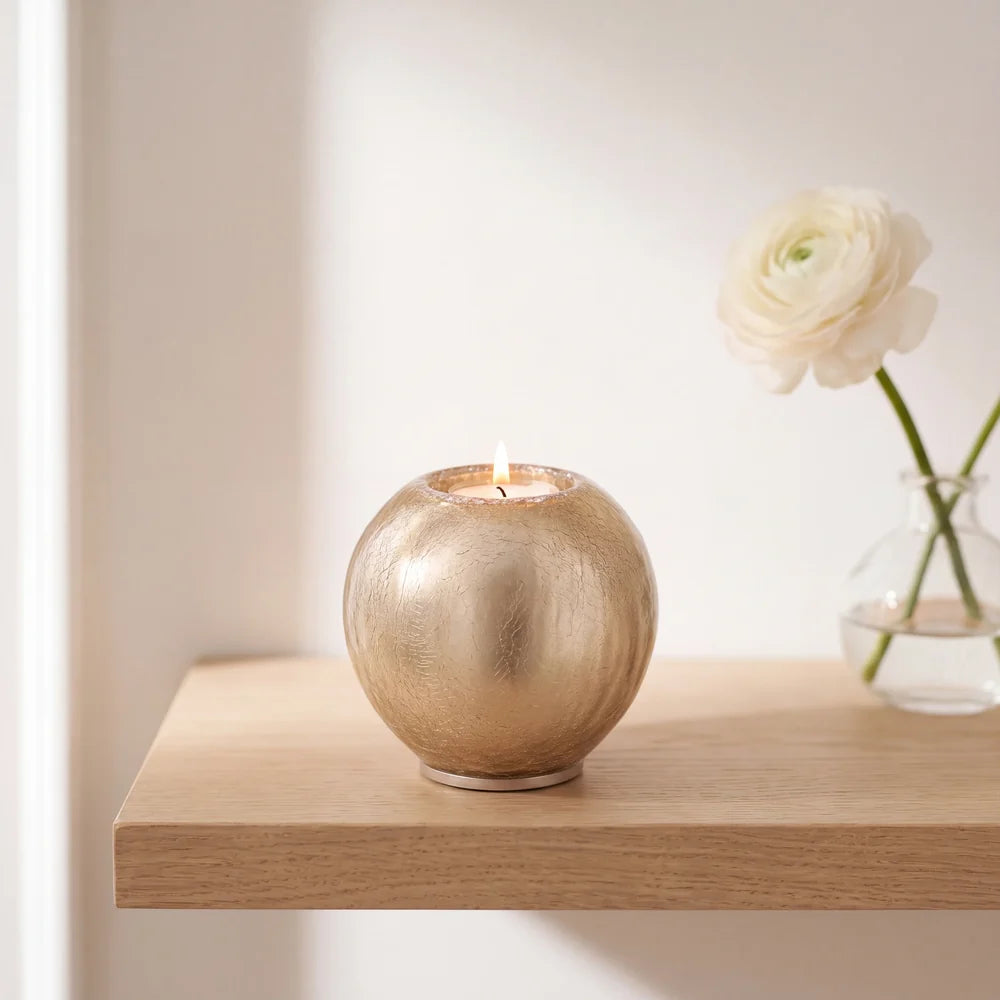
 Infinity Adult Cremation Urn for Ashes in Crackle Glaze
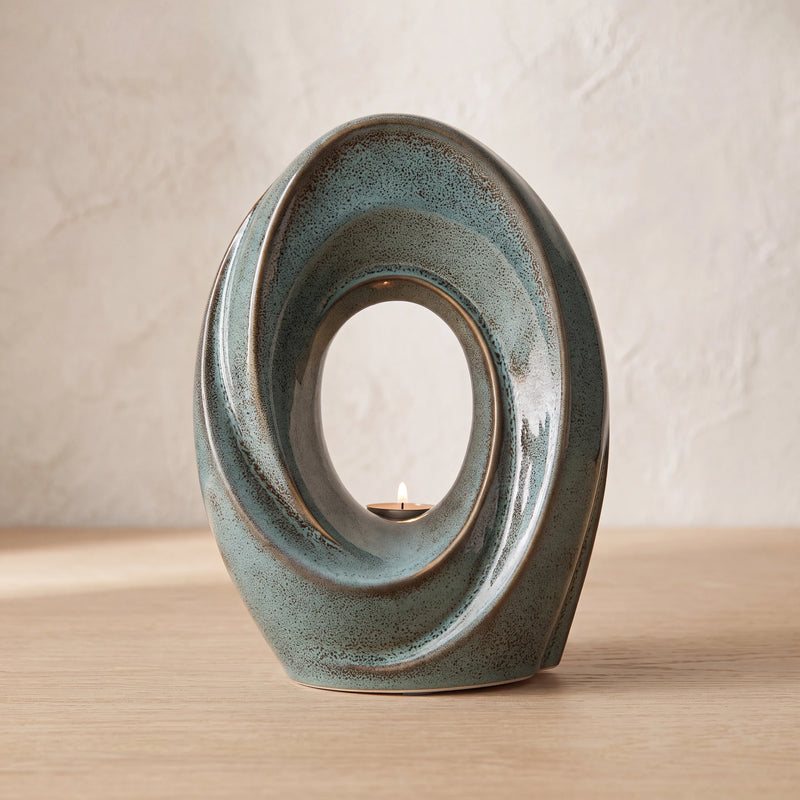
 The Passage Adult Cremation Urn for Ashes in Crackle Glaze
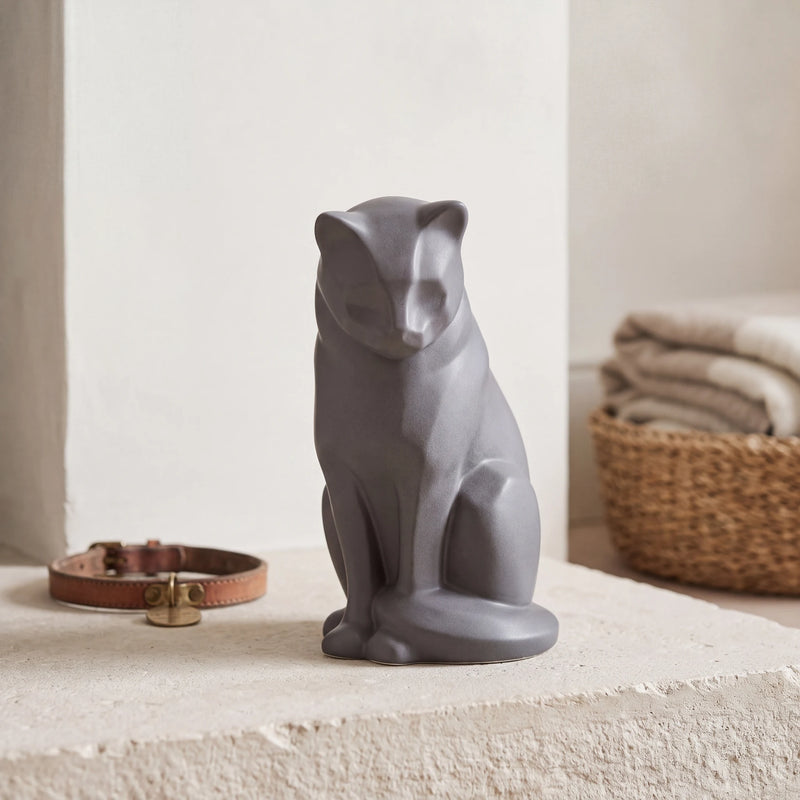
 Sitting Cat Urn for Ashes in Matte Grey
Written by Paul Levy
Looking for an urn?
Browse the full range, or ask us and we will help you find the right one.


Leave a comment
This site is protected by hCaptcha and the hCaptcha Privacy Policy and Terms of Service apply.