
What to Do With an Urn After Scattering Ashes
Quick answer: What to do with an urn after scattering ashes depends on what the urn is made of. A permanent urn in metal, ceramic, stone or wood can be kept as a memento, used to hold a small portion of ashes or keepsakes, or passed on within the family. A paper scattering tube or a water urn is made for the day itself, so there is little or nothing left to decide.
The ashes have been scattered, and the urn is still in your hands. Nobody tells you what happens next, and many people feel uneasy about simply putting it away. There is no rule about this and no deadline. An empty urn is yours to keep, to use again or to let go of, and none of those choices is disrespectful.
This guide goes through the choices by type of urn, because the honest answer is different for each. If you have not scattered yet, the last sections explain how to keep a little back in one of our small urns for ashes, and which containers leave nothing behind at all.
First, which kind of urn do you have?
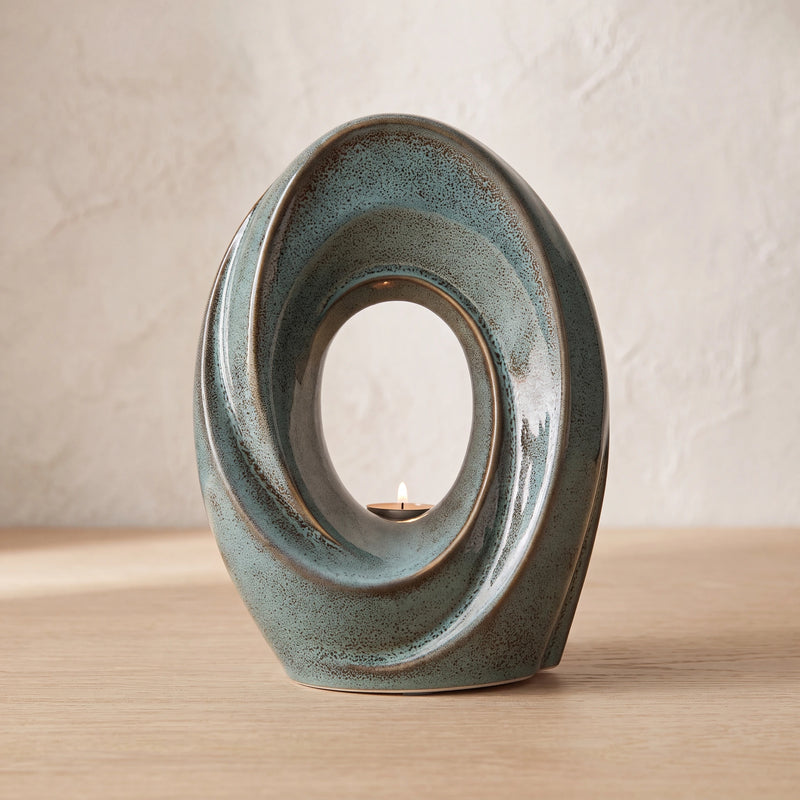
- A permanent urn. Metal, ceramic, stone, glass or wood, made to last and to be displayed. Everything in the next three sections applies to it.
- A scattering tube. A paper tube made for carrying and pouring the ashes. It has done its work once the day is over.
- A water urn. Made to be placed on the water with the ashes inside and to break down there. Nothing comes home with you.
- The plain container from the crematorium. Usually a simple box or tub that was only ever meant to be temporary. Keep it if it matters to you. If you are not sure what it is made of or how to dispose of it, the crematorium or funeral director who gave it to you can tell you.
Keeping the empty urn
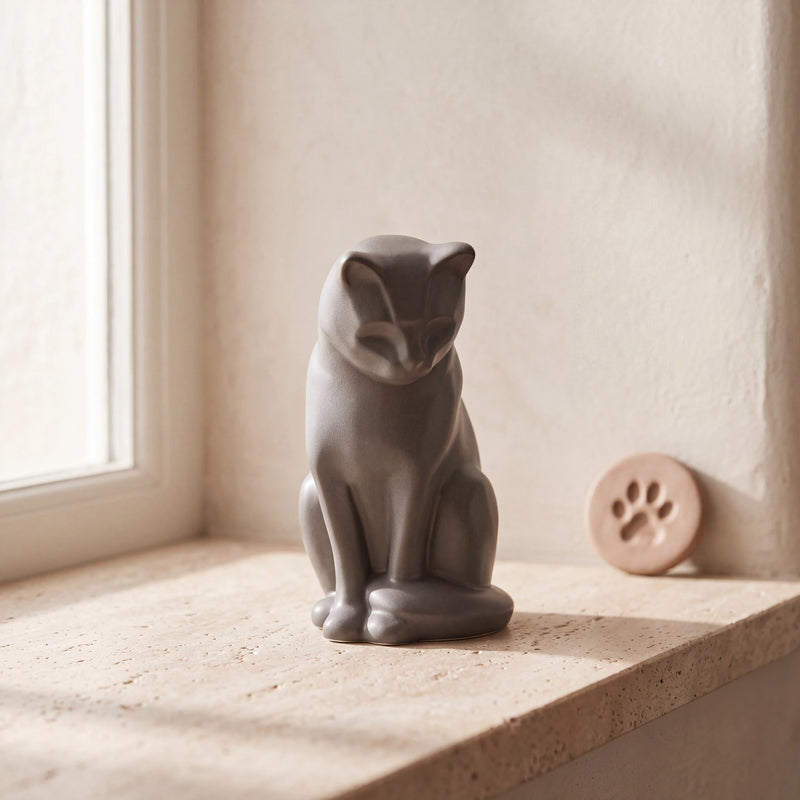
An urn does not stop meaning something when it is empty. It held the person for a time, it may have been chosen with care, and it was there on the day. Plenty of reasons to leave it exactly where it has always stood.
Some families give it a quiet job. An urn with a lid is a good place for the things that have nowhere else to go: the order of service, a letter, a wedding ring, a collar, a pressed flower from the place where the ashes were scattered. Wipe the inside with a dry cloth first. If you would like to use it for flowers, test it with water over a sink before you trust it on a shelf, since an urn is made to hold ashes and not every one is watertight. Dried flowers are a safe alternative.
Using it again or passing it on
A permanent urn can be used again. Some families keep one urn for a couple, with the second person's ashes placed in it later, and some pass an urn to a relative who would value it. If the urn has a name or dates engraved on it, think about whether that would sit comfortably with the next use before you decide.
If the scattering was only part of the plan, the urn may still have a purpose. Ashes are often divided, with some scattered and some kept, and the urn can go on holding the portion that stays at home. Our guide to dividing ashes after cremation explains how families share them. If the urn will keep some ashes at home for years, RetURN.org makes a permanent ID label that records whose ashes they are and what was wanted, so whoever holds the urn later will know.
If you would rather not keep it
It is fine not to want the urn in the house. For some people it is a comfort, and for others it is a reminder of a hard day. Letting it go does not take anything away from the person.
Ask around the family first, because someone else may want it. After that, a funeral director is a sensible person to ask, since they deal with urns every day and will know what is possible where you live. Recycling rules differ from place to place, so check with your local recycling service before putting a metal, ceramic or wooden urn in with household recycling. Please do not leave an empty urn at the scattering place, however fitting it feels. On land it is litter, and the next section explains why it should not go into the sea either.
United States: an ordinary urn should not go into the sea
For scattering at sea in the United States, the Environmental Protection Agency says that cremated remains must be buried "at least three nautical miles from land", and that a container placed in the water with them "must not contain plastic of any kind, float, or otherwise contribute to marine debris". It adds that "ideally, the container should degrade or dissolve in a relatively short period of time in the marine environment". The same page says the EPA must be notified within 30 days of the event, and that scattering in lakes, rivers and other inland waters is not covered by this federal rule. Source: US EPA, Burial at Sea, page last updated August 26, 2026, read October 9, 2026.
In plain terms: a metal or ceramic urn comes back to shore with you, and only a container made to break down in water goes in. States can have their own rules for inland waters, and other countries have theirs, so ask the authority for the place you have in mind. This is general information, not legal advice.
Urns that leave nothing to deal with
If the scattering is still ahead of you, the simplest answer to the whole question is to choose a container made for the day.
A paper scattering tube
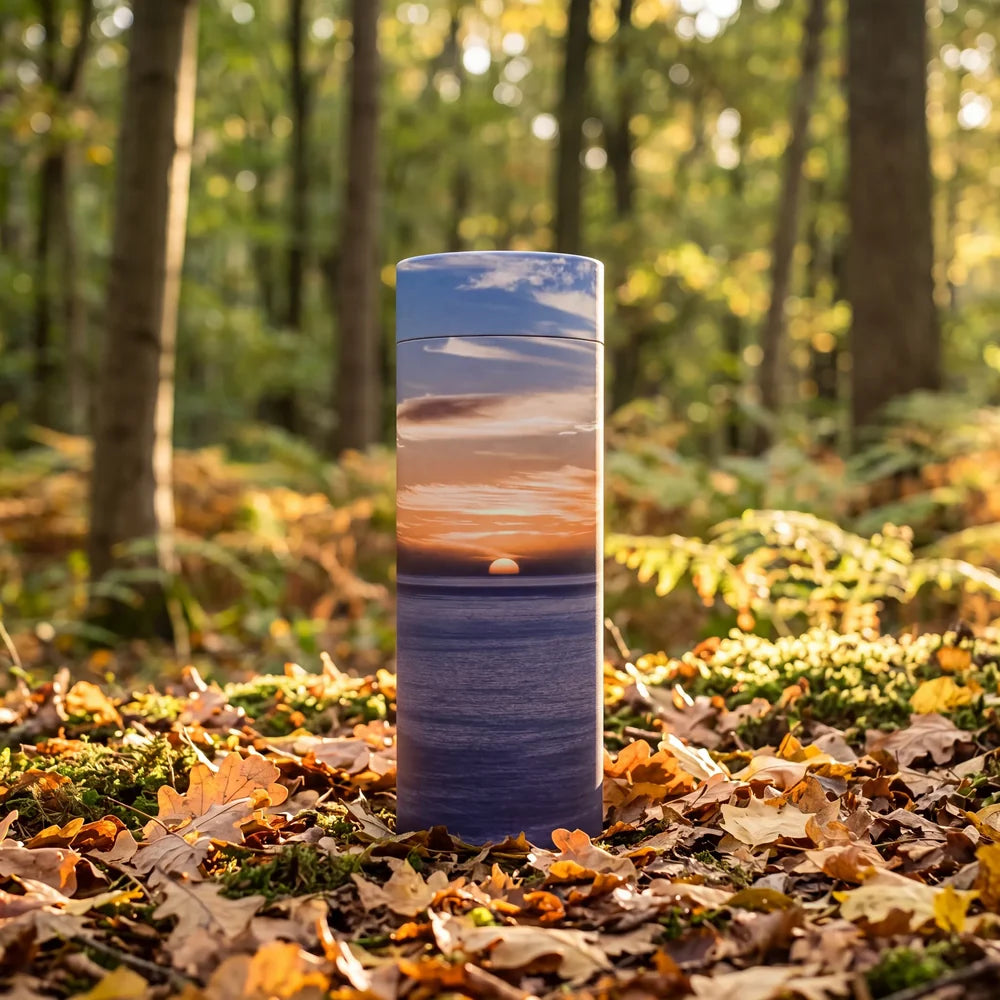
The Bluebell Forest Eco Friendly Scattering Tube is made entirely from recycled paper, with no metal or plastic parts, and its product page describes it as biodegradable. The adult size holds 3.93 liters (about 240 cubic inches) and stands 36.8 cm (14.5 in) tall and 13.0 cm (5.1 in) wide. It has a removable lid and a perforated push-in tab, so the ashes pour in a steady stream. Afterward you have a light, empty paper tube. Some people keep it with photographs from the day. If you would rather not, ask your local recycling service whether it accepts paper tubes. There are more designs and smaller sizes in our scatter tubes for ashes.

Pictured: Bluebell Forest Eco Friendly Scattering Tube for Ashes - Adult
A water urn
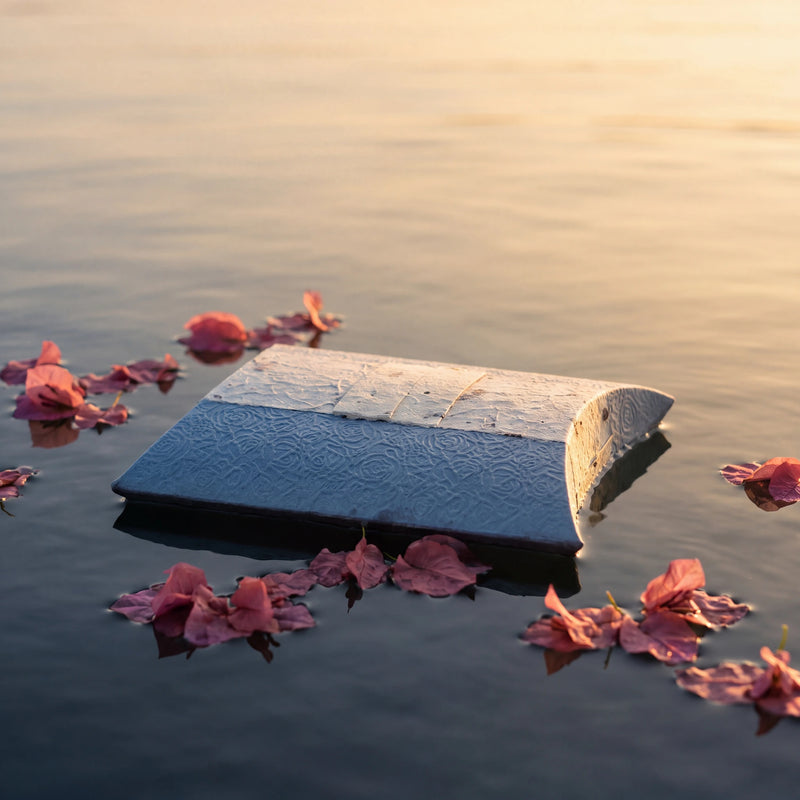
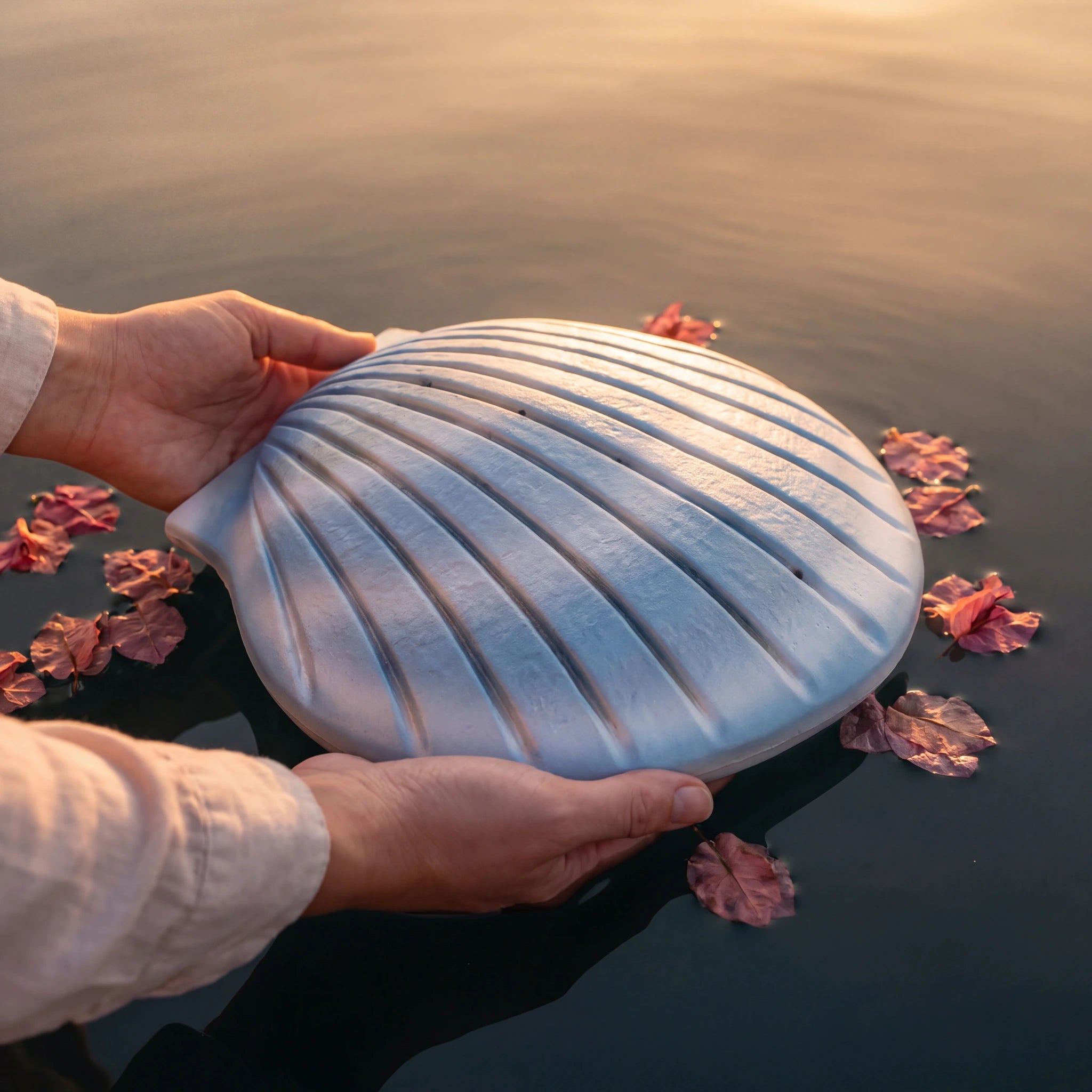
The Oceane Sand Biodegradable Water Urn is formed from a blend of sand and natural gelatin and finished with real beach sand. It holds 3.28 liters (about 200 cubic inches), which its page lists as suitable for an adult up to approximately 90 kg (198 lb), and it measures 22.9 cm (9.0 in) high and 19.1 cm (7.5 in) wide. Small holes in the base let water in, so it floats only briefly, then sinks and breaks down. It comes with a biodegradable inner bag. The urn goes with the ashes, so there is no empty urn afterward. See the rest of the range in our water urns for ashes.

Pictured: Oceane Sand Biodegradable Water Urn for Ashes - Adult
Keeping a small portion back before you scatter
Scattering cannot be undone. If any part of you would like something to remain, decide before the day and set a little aside. It does not need to be much.
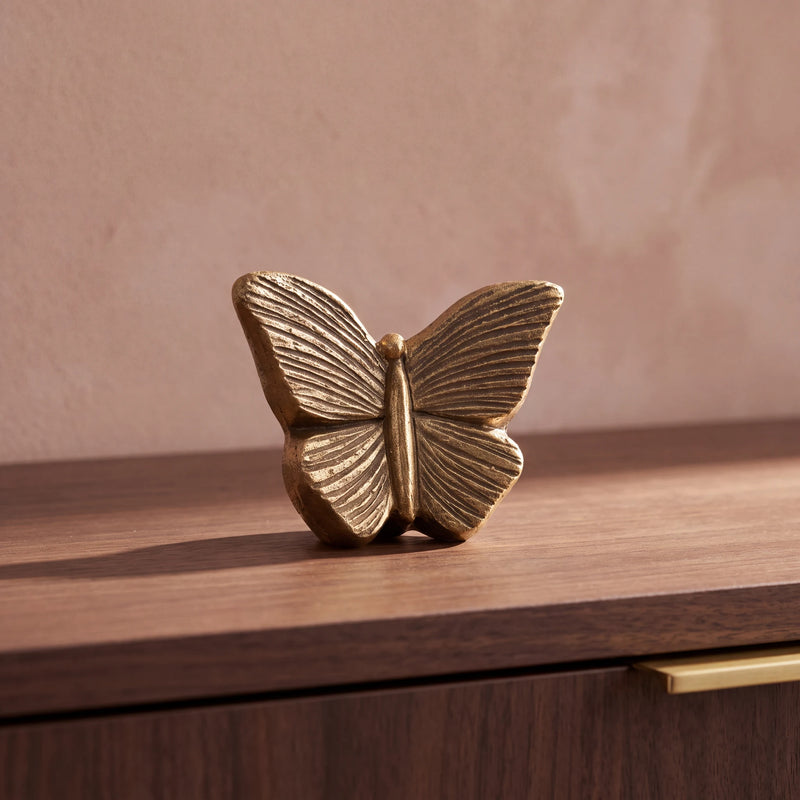
The Classic Metal Keepsake Urn in Brushed Silver is made for exactly this. It holds 0.05 liters (about 3.1 cubic inches), a small symbolic portion, and is only 7 cm (2.8 in) high and 4 cm (1.6 in) wide. The lid screws closed. It is designed for display in the home.

Pictured: Classic Metal Keepsake Urn for Ashes in Brushed Silver
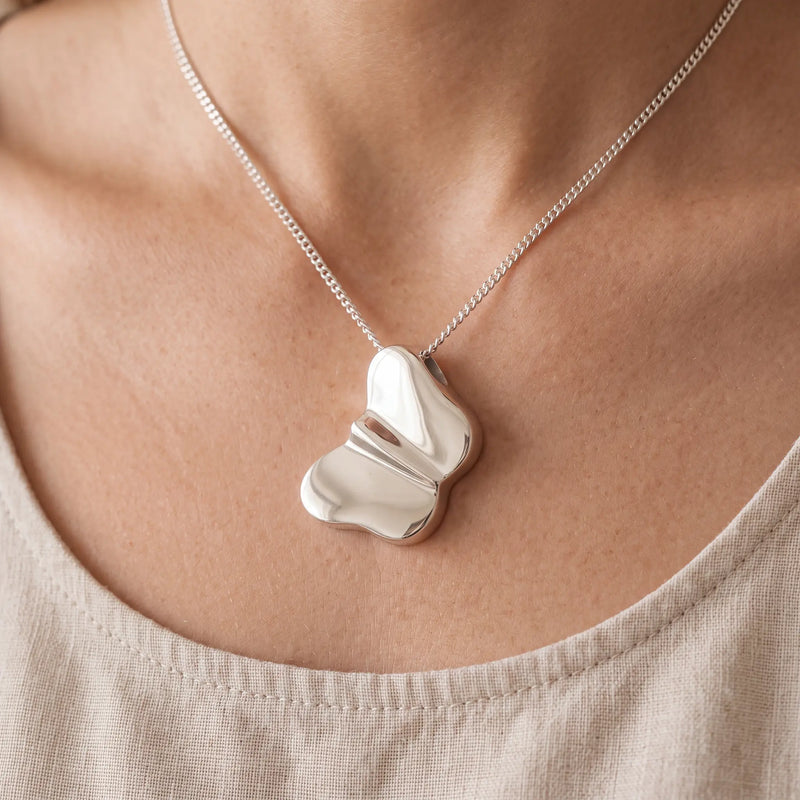
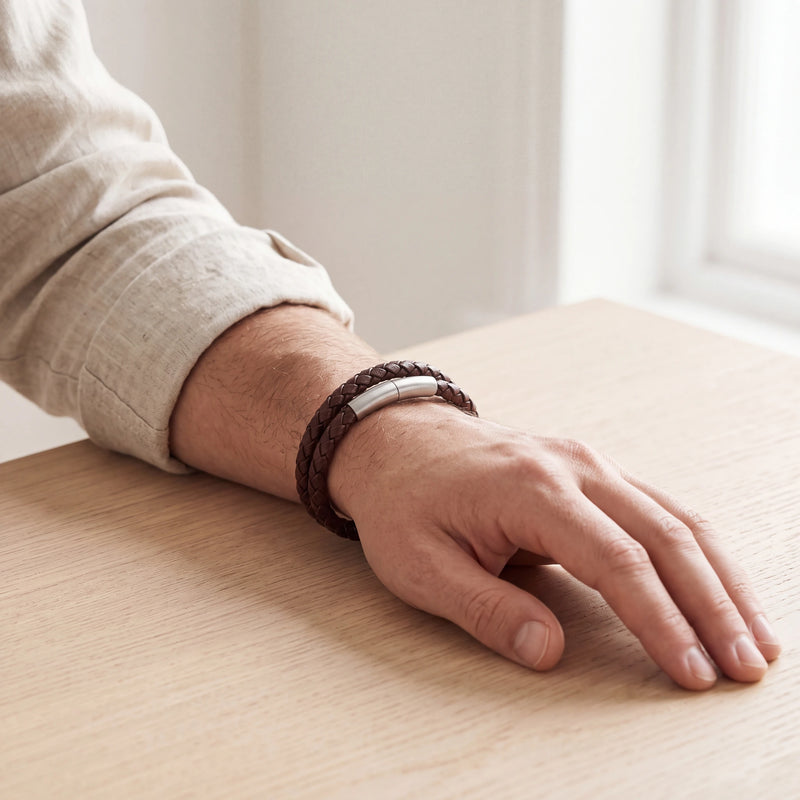
For something to wear, a self-fill pendant from our ashes jewellery holds a symbolic amount. Our guide on how to scatter ashes covers planning the day itself.
Which one suits you, and which does not
- Bluebell Forest Scattering Tube, adult: 3.93 liters (240 cubic inches). Opens with a removable lid and a push-in tab. For carrying and scattering on land or from the shore. Not a permanent urn for display.
- Oceane Sand Water Urn, adult: 3.28 liters (200 cubic inches). Lid closes without glue. For placing on the water with the ashes inside. Not for keeping, and not for scattering on land.
- Classic Metal Keepsake Urn in Brushed Silver: 0.05 liters (3.1 cubic inches). Screw lid. For display at home. Far too small for all of the ashes, and not for scattering.
If you want one urn to stay at home with all of the ashes, none of these is right, and our urn size guide is the place to start.
Sizes and product details in this guide were checked against our product pages on October 9, 2026.
Frequently asked questions
What do you do with an urn after scattering ashes?
You can keep it as a memento, use it to hold keepsakes or a small portion of ashes, use it again within the family, or let it go. A paper scattering tube or a water urn is made for the day itself, so there is little or nothing left to deal with.
Is it disrespectful to reuse an urn?
No. An urn can be used again for another person, kept for keepsakes or passed to a relative. If it is engraved with a name or dates, consider whether that suits the new use.
Can an empty urn be thrown away?
Yes, there is no rule against it. Ask the family first in case someone would like it, and check with your local recycling service or a funeral director about the right way to dispose of that material where you live.
Can I put the urn in the sea with the ashes?
Only if it is made to break down in water. In the United States, the EPA says a container placed in the ocean must not contain plastic, float or add to marine debris, and should ideally degrade or dissolve in a short time.
Should I keep some ashes before scattering?
That is a personal choice, but it has to be made before the day, because scattering cannot be undone. A keepsake urn or a self-fill pendant holds a small symbolic portion.
What happens to a scattering tube after use?
You are left with a light, empty tube. The Bluebell Forest tube in this guide is made entirely from recycled paper with no metal or plastic parts, so you can keep it or ask your local recycling service whether it accepts paper tubes.
Small Urns for Ashes
See all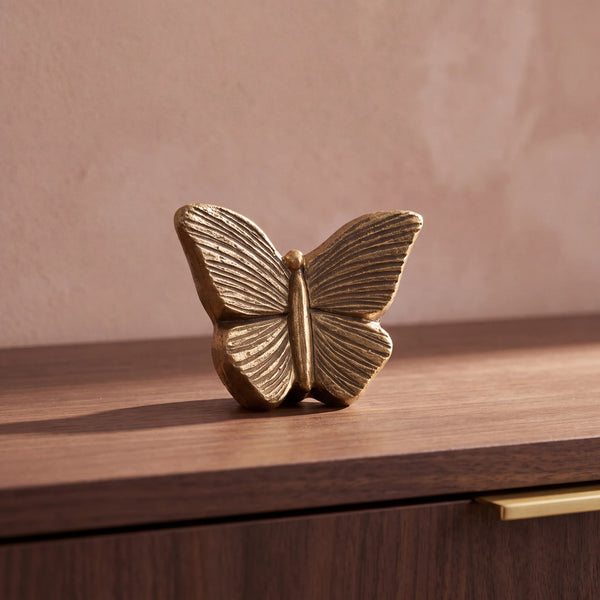 Butterfly Keepsake Urn for Ashes in Gold
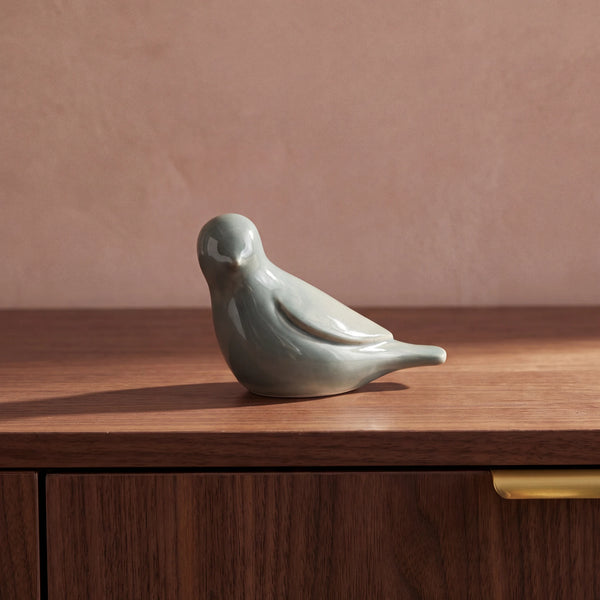 Whistling Bird Keepsake Urn for Ashes in Sage Green
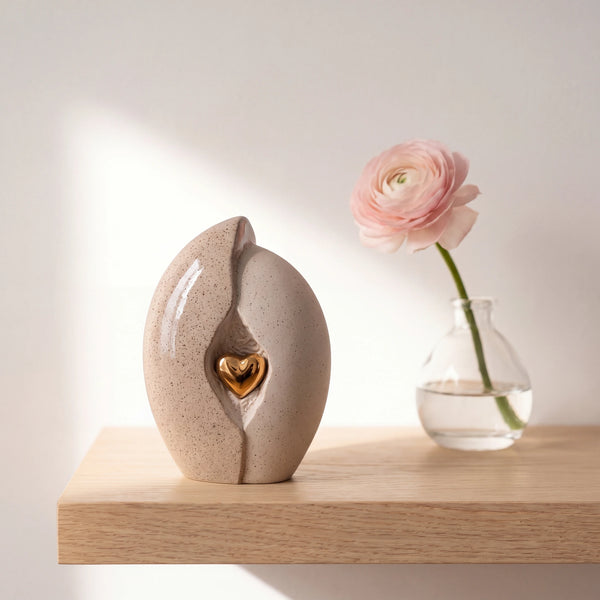 Embrace Heart Small Urn for Ashes in Brown and Gold
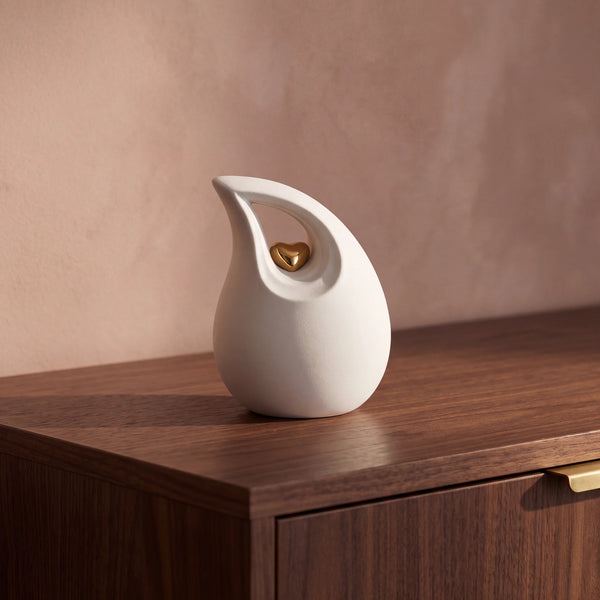 Teardrop Heart Small Urn for Ashes in White and Gold
Written by Urns For Angels
Looking for an urn?
Browse the full range, or ask us and we will help you find the right one.
Keep reading
-
18 min read
What to Do With Ashes After Cremation: Every Option Explained
-
9 min read
What Type of Urn Is Best for Burial?
-
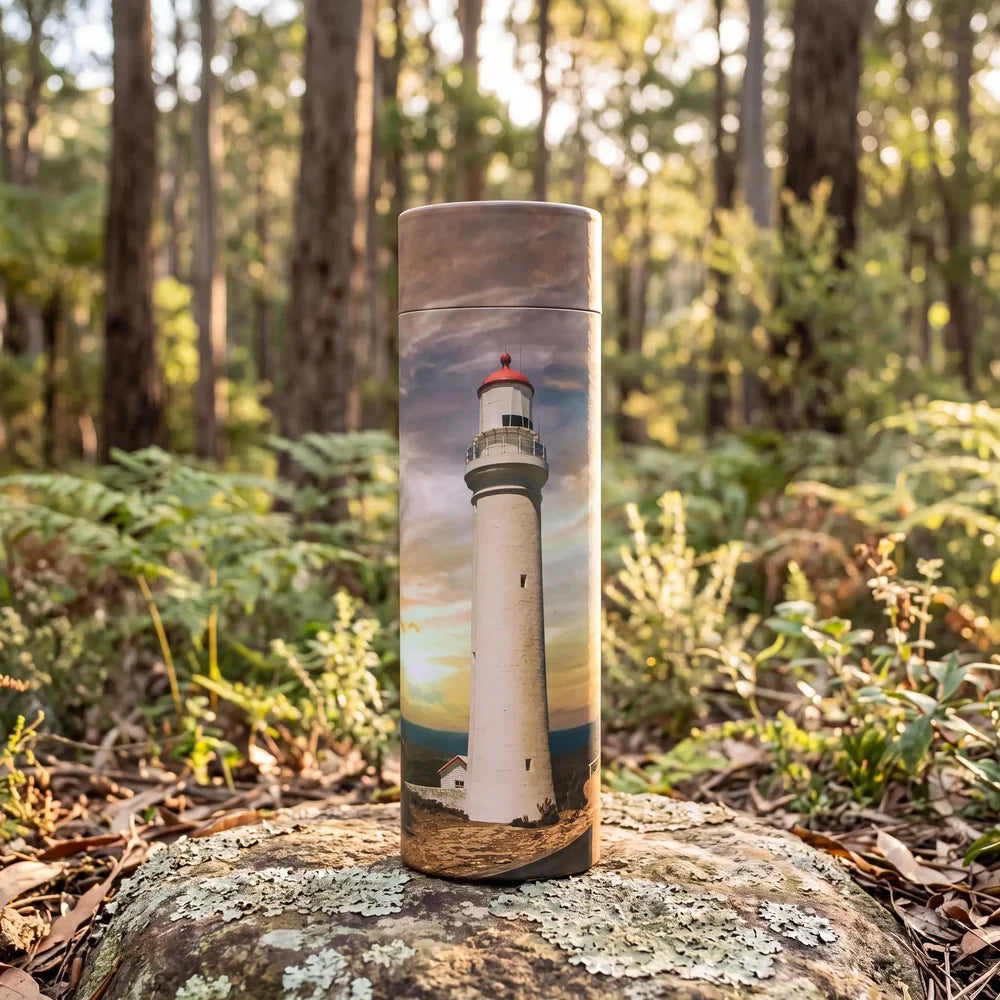
9 min read
Types of Scattering Tubes and How Each One Works
See every guide on What to Do With Ashes: Scattering, Burial and Keeping


Leave a comment
This site is protected by hCaptcha and the hCaptcha Privacy Policy and Terms of Service apply.